Why Invest in Textile Testing Instruments for Quality Assurance?
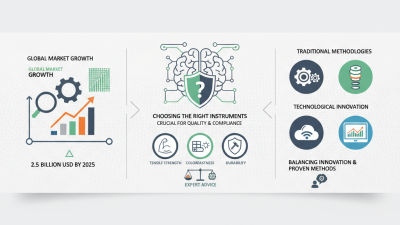
In today's competitive textile market, ensuring quality is paramount. Investing in Textile Testing Instruments is crucial for manufacturers aiming to meet high standards. According to a recent report by TechNavio, the global textile testing market is expected to grow by 10% annually. This growth reflects the increasing emphasis on product quality and compliance.
Dr. Emily Hargrove, a leading expert in textile technology, states, "Quality assurance is the backbone of a successful textile business." Her insights underscore the importance of reliable testing instruments. These tools help manufacturers assess critical parameters such as tensile strength, colorfastness, and shrinkage rates.
Moreover, the industry's demand for consistent quality raises challenges. Companies face pressure from consumers and regulations. Invest in robust Textile Testing Instruments to mitigate risks and enhance product integrity. Unreliable testing can lead to costly recalls and damage brand reputation. Accurate and reliable testing not only assures quality but also builds trust with consumers.

Importance of Quality Assurance in Textile Industry
Quality assurance in the textile industry is essential for maintaining product standards. The rise of consumer awareness has increased demand for high-quality textiles. According to industry reports, around 70% of consumers are willing to pay more for products that meet rigorous quality standards. This trend prompts manufacturers to invest in testing instruments.
Textile testing instruments help identify defects in fabrics before they reach consumers. These instruments evaluate various parameters, including durability, colorfastness, and fabric composition. A recent study noted that improper quality checks can lead to up to 20% of textile returns. This not only incurs financial losses but also impacts brand reputation. Therefore, implementing consistent testing protocols is crucial.
Investment in quality assurance instruments can significantly reduce waste. A responsible approach can even decrease a company's carbon footprint. Textiles often have environmental implications, and poor quality contributes to unnecessary waste. Ensuring high standards throughout production helps meet consumer expectations and supports sustainable practices. Balancing quality with efficiency remains a challenge, but the benefits far outweigh the costs.
Importance of Quality Assurance in the Textile Industry
Key Textile Testing Instruments and Their Functions
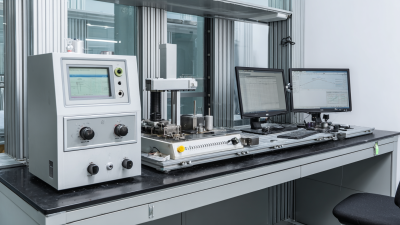
Textile testing instruments play a critical role in ensuring that fabrics meet required quality standards. One essential tool is the tensile strength tester. This device measures how much force a fabric can endure before breaking. It helps manufacturers select materials that can withstand wear and tear.
Another important instrument is the color fastness tester. This machine assesses how well a fabric retains its color when exposed to different conditions. Effective colorfastness is essential for customer satisfaction.
In addition, the pH meter is crucial in textile testing. It determines the acidity or alkalinity of a fabric's dye and finishes. The wrong pH can lead to fading and damage.
The moisture management tester also provides valuable insights. It measures a fabric's ability to wick moisture away, which is vital for comfort. Although these instruments are valuable, inconsistencies can arise from improper calibration. Regular maintenance and staff training are necessary to ensure accuracy.
Each instrument has a unique role in quality assurance. Relying solely on one type of test may not provide a complete picture. Manufacturers must adopt a comprehensive approach to testing. This helps in identifying potential flaws before products reach the market. Implementing a range of tests can enhance overall quality and reduce return rates.
Benefits of Investing in Advanced Textile Testing Technology
Investing in advanced textile testing technology is crucial for ensuring product quality in the textile industry. According to the Textile Exchange, over 60% of consumers prioritize sustainable and ethically produced textiles. This demand puts pressure on manufacturers to meet high quality standards. Utilizing sophisticated testing instruments helps verify materials' durability, colorfastness, and safety standards. Instruments like spectrophotometers and tensile testing machines provide precise measurements. This ensures compliance and enhances customer satisfaction.
Quality assurance through advanced testing leads to cost savings. The American Association of Textile Chemists and Colorists reports that faulty textiles can result in losses of up to 30% in production costs. Testing can prevent these defects before they reach the consumer. Additionally, reliable testing increases the overall efficiency of production processes. More efficient production can reduce waste and improve environmental impacts. Companies that invest in textile testing often see a direct correlation between quality assurance and their market reputation.
Yet, challenges persist. Not every organization can afford high-end testing equipment. Some might opt for cheaper alternatives, risking inaccuracies. Industry data indicates that 25% of companies face obstacles in adopting advanced technologies. These hurdles highlight a need for innovation in funding and resource allocation. Investing in textile testing instruments is not merely an option; it's a necessity for businesses aiming for longevity and credibility.
Cost-Effectiveness of Textile Testing in Long-Term Production
Investing in textile testing instruments is vital for long-term production. The textile industry faces immense pressure to deliver high-quality products consistently. According to a report by the American Association of Textile Chemists and Colorists, quality issues can cost manufacturers up to 10% of their annual revenue. This figure highlights the financial risk of neglecting quality assurance.
Incorporating testing instruments early in the production process can significantly reduce these long-term costs. Data from the International Textile and Apparel Association indicates that early detection of fabric defects can reduce production costs by approximately 25%. Regular testing not only meets regulatory standards but also enhances customer satisfaction. This creates an environment where businesses can thrive.
However, not all companies prioritize testing. Some underestimate its role in quality assurance. This oversight often leads to costly retrofits and repairs. Implementing effective testing strategies early can prevent these situations. Adopting a proactive approach fosters a culture of excellence and accountability. Investing in reliable textile testing instruments pays off in the long run, justifying the initial expenditure with substantial savings.
Why Invest in Textile Testing Instruments for Quality Assurance? - Cost-Effectiveness of Textile Testing in Long-Term Production
| Testing Instrument |
Purpose |
Cost (USD) |
Return on Investment (ROI) |
| Fabric Strength Tester |
Measuring tensile strength of textiles |
1,200 |
150% |
| Colorfastness Tester |
Evaluating color stability during washing |
850 |
130% |
| Shrinkage Tester |
Testing dimensional stability |
700 |
120% |
| Fabric Abrasion Tester |
Assessing wear resistance of fabrics |
1,500 |
160% |
| Moisture Management Tester |
Measuring moisture wicking properties |
900 |
140% |
Impact of Textile Testing on Consumer Satisfaction and Brand Loyalty
Textile testing plays a crucial role in consumer satisfaction. When consumers purchase fabric items, they expect quality and durability. Testing ensures that textiles meet specific standards for performance, safety, and comfort. This is particularly important in a market flooded with various options. Brands that invest in quality testing can differentiate themselves and build trust with customers.
Moreover, reliable textile testing strengthens brand loyalty. When consumers know a brand prioritizes quality, they are more likely to return. A well-tested product assures users they are making a smart choice. However, some companies overlook testing due to cost concerns or a lack of understanding. This can lead to inconsistent quality, resulting in dissatisfied customers.
The relationship between testing and consumer perception is intricate. If a product fails in its intended purpose, it impacts future purchases. Brands must reflect on their testing processes to maintain a competitive edge. Investing in robust testing instruments may require initial capital, but the long-term benefits of consumer trust are invaluable.





 Home
Home