Best Textile Testing Equipment for Quality Assurance in 2026?
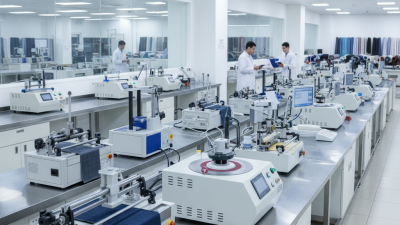
In the fast-evolving textile industry, quality assurance is paramount. As we approach 2026, the need for reliable and efficient Textile Testing Equipment is more crucial than ever. Companies must prioritize high standards to meet consumer expectations and industry regulations.
The landscape of textile testing is changing. Advanced technologies are enhancing accuracy and efficiency. However, selecting the right equipment can be overwhelming. Some brands dominate the market, offering state-of-the-art solutions. Yet, not every option suits every business. Companies often struggle to balance cost, functionality, and reliability.
Investing in the best Textile Testing Equipment is not just about compliance; it’s about maintaining a competitive edge. Manufacturers must understand specific testing needs. This may include strength, durability, and chemical composition analysis. With the right tools, brands can ensure product quality and reduce waste. In this pursuit, businesses must reflect on their current practices. Is the equipment meeting the quality benchmarks? Are they ready for the challenges of 2026?

Best Textile Testing Techniques: An Overview of 2026 Standards
Textile testing in 2026 requires a focus on robust techniques that ensure quality assurance. Understanding fabric properties is crucial for manufacturers. Key standards aim to enhance product durability and safety.
Several techniques stand out as essential in modern textile testing.
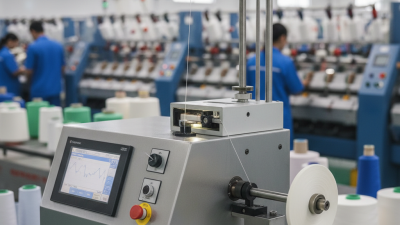
Tensile strength tests reveal how much force a material can withstand. Determining colorfastness ensures that dyes do not run or fade during washes. Wetting tests check how quickly water penetrates fabrics. These methods are becoming more sophisticated, relying on technology for accuracy.
However, challenges persist. Some textiles behave unpredictably under test conditions. Seasonal variations can affect moisture content, leading to inconsistent results. Additionally, the standardization of tests is often lacking.
These issues necessitate ongoing dialogue within the industry, promoting improvements and ensuring reliable results. Continuous education and training for technicians are vital. This ensures they are aligned with evolving standards. The goal is always to achieve the highest quality in textile production.
Key Features of Leading Textile Testing Equipment for 2026
In 2026, textile testing equipment is crucial for ensuring quality assurance in the industry. Key features to look for include precision measurement, user-friendly interfaces, and advanced data analytics. Reports indicate that 70% of textile defects arise from inadequate testing processes. Modern equipment can help mitigate these issues effectively.
The reliability of textile testing machines hinges on their ability to simulate real-world conditions. Equipment should cover various tests such as tensile strength, colorfastness, and abrasion resistance. For example, the latest benchmarking data show that machines with automated calibration processes increase testing accuracy by 40%. Adoption of AI-driven analytics is also a growing trend, with studies suggesting that 60% of manufacturers plan to integrate this technology by 2026.
Quality assurance requires a commitment to continuous improvement. Frequent equipment updates and staff training can significantly enhance testing effectiveness. One survey found that only 55% of textile manufacturers regularly maintain their equipment. This oversight could lead to increased defect rates. Investing in reliable testing equipment is not just a choice; it is a necessity for maintaining a competitive edge in the textile market.
Comparative Analysis of Textile Testing Equipment Market Trends
In recent years, the textile testing equipment market has shown significant growth. According to industry reports, the global textile testing market is expected to reach $3.2 billion by 2026. This growth is driven by a surge in demand for high-quality textiles and strict compliance with safety standards. Testing machines, including tensile testers and color fastness testers, are essential for ensuring fabric quality.
Market trends highlight an increasing reliance on automation in testing processes. Advanced equipment reduces human error and improves efficiency. Additionally, there is a notable demand for eco-friendly testing solutions. Sustainable practices are becoming crucial for brands aiming to enhance their credibility. A recent survey indicated that 60% of textile manufacturers prioritize sustainability in their operations.
Innovation in the sector raises questions about the ongoing need for traditional methods. While automation offers speed, the complexity of textiles sometimes requires manual assessment. Many industry players are exploring a hybrid approach. Balancing technology and human expertise could enhance testing reliability. Striking this balance may determine the industry's future success.
Best Textile Testing Equipment for Quality Assurance in 2026
| Equipment Type |
Test Type |
Accuracy (%) |
Price Range (USD) |
Market Trend |
| Fabric Testing Machine |
Tensile Strength |
±0.5 |
$3,000 - $7,000 |
Increasing |
| Color Fastness Tester |
Color Fastness |
±0.1 |
$2,500 - $5,000 |
Stable |
| Moisture Management Tester |
Moisture Absorption |
±0.2 |
$4,000 - $9,000 |
Growing |
| Fabric Thickness Gauge |
Thickness Measurement |
±0.01 |
$1,500 - $3,500 |
Slightly Decreasing |
| Flammability Tester |
Flame Resistance |
±0.3 |
$5,000 - $10,000 |
Increasing |
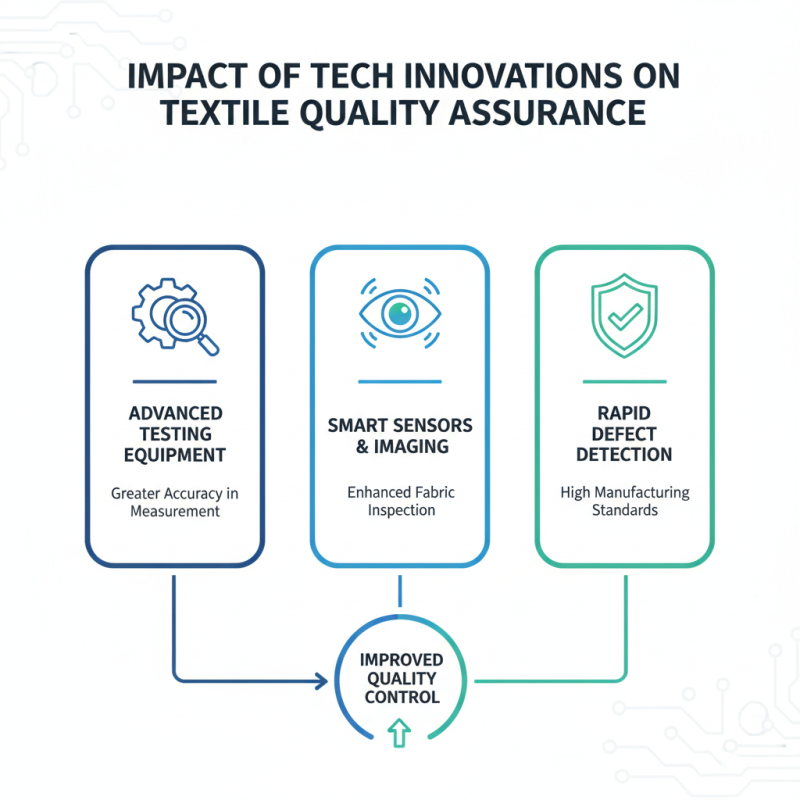
Impact of Technological Innovations on Textile Quality Assurance
Technological innovations significantly impact textile quality assurance. In recent years, advanced testing equipment has emerged, providing greater accuracy. Using state-of-the-art sensors and imaging systems enhances fabric inspection processes. These innovations help identify defects quickly, ensuring high manufacturing standards.
Moreover, automation plays a crucial role in quality testing. Machines can conduct repetitive tests with minimal human intervention. This boosts efficiency but raises concerns about job displacement in the industry. Companies must address this balance carefully. As technology evolves, skilled technicians are still needed to interpret data and ensure quality.
Incorporating AI and machine learning can further refine quality assurance. These technologies predict potential failures before they occur, enhancing product reliability. However, dependence on technology introduces risks, such as system malfunctions. Continuous training and adaptation are vital for staff to keep pace with these changes. Embracing innovation while maintaining human oversight will shape the future of textile quality assurance.
Essential Certifications for Textile Testing Equipment in 2026
When selecting textile testing equipment for quality assurance in 2026, certifications will play a pivotal role. Accredited certifications ensure that the equipment meets industry standards. These certifications are essential for manufacturers and testers aiming to guarantee product quality and safety.
Organizations or labs must focus on equipment validated by recognized entities. Common certifications include ISO, ASTM, and AATCC. They signify compliance with rigorous testing protocols. However, not all equipment may hold these certifications, leading to potential risks in product reliability.
Quality assurance relies on accurate testing. Equipment without proper certification can lead to errors in measurements. This creates questions about material durability and safety. It’s vital for stakeholders to be aware of these challenges. They should constantly reassess the certifications and standards, ensuring their tools remain relevant in an evolving market. Reliable equipment is foundational for maintaining high quality in textiles.
Textile Testing Equipment Effectiveness in Quality Assurance (2026)





 Home
Home