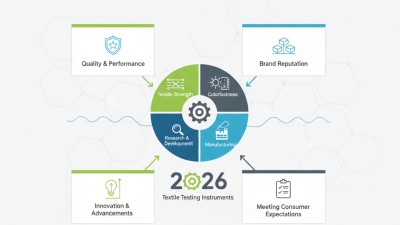
2026 How to Choose the Right Fabric Testing Instruments for Your Needs?
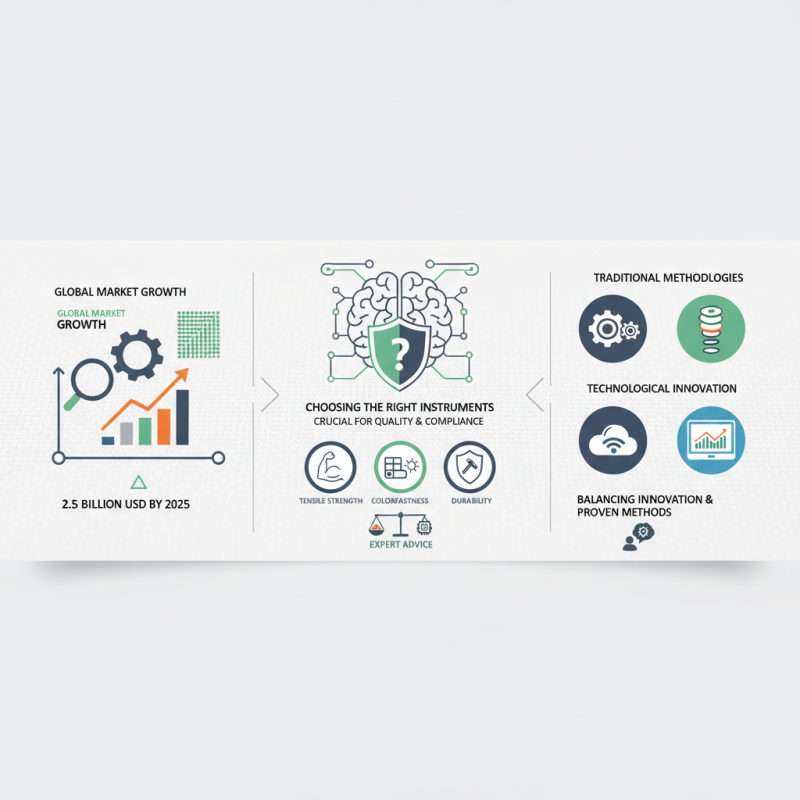
Choosing the right Fabric Testing Instruments is crucial for textile manufacturers. Accurate testing ensures product quality and compliance with standards. According to a report by Grand View Research, the global fabric testing market is projected to reach $2.5 billion by 2025. This growth highlights the increasing importance of reliable testing in the industry.
With various fabric testing instruments available, understanding your specific needs is vital. Different tests assess different fabric properties. For instance, tensile strength, colorfastness, and durability are critical for performance. However, not all instruments provide the same accuracy or reliability. Relying on subpar equipment can lead to significant issues, including product recalls.
Moreover, the evolving technological landscape offers new options. Smart fabric testing devices provide real-time data analysis. This advancement presents opportunities but can also create confusion. Selecting the right instrument requires careful consideration and expert advice. Balancing innovation with proven methodologies is essential for achieving optimal results in fabric testing.
Understanding the Importance of Fabric Testing in Textile Industry
In the textile industry, fabric testing is vital. It ensures that materials meet specific standards and perform well over time. Testing not only guarantees quality but also enhances customer satisfaction. Various tests assess durability, colorfastness, and comfort. Understanding fabric behavior helps manufacturers make informed decisions.
Selecting the right fabric testing instruments can be overwhelming. There is a range of equipment available for different purposes. When choosing, consider the specific needs of your fabric and end use. Do you need to measure abrasion resistance or evaluate pH levels? Define your testing goals clearly.
Here are a few tips for effective fabric testing: Use standardized methods when possible. This helps ensure consistent results. Also, consider consulting with experts who can guide you based on experience. Lastly, regularly calibrate your instruments for accuracy. This practice may seem tedious but is essential for reliable outcomes.
2026 How to Choose the Right Fabric Testing Instruments for Your Needs? - Understanding the Importance of Fabric Testing in Textile Industry
| Testing Instrument |
Primary Use |
Testing Standards |
Key Features |
Price Range (USD) |
| Tensile Testing Machine |
Measure tensile strength and elongation |
ASTM D5034 |
Digital display, load cell technology, automatic data recording |
$2,000 - $10,000 |
| Bursting Strength Tester |
Determine bursting strength of fabrics |
ASTM D751 |
User-friendly interface, high precision sensors |
$1,500 - $7,000 |
| Fabric Abrasion Tester |
Assess wear resistance of textiles |
ASTM D4157 |
Multiple testing modes, durable construction |
$3,000 - $15,000 |
| Color Fastness Tester |
Evaluate color durability against washing and light |
AATCC 61 |
Digital monitoring, easy sample preparation |
$1,000 - $5,000 |
| Moisture Management Tester |
Measure moisture transport characteristics |
AATCC 195 |
Comprehensive analysis, graphical output |
$2,500 - $8,000 |
Key Factors in Selecting Fabric Testing Instruments for Quality Control
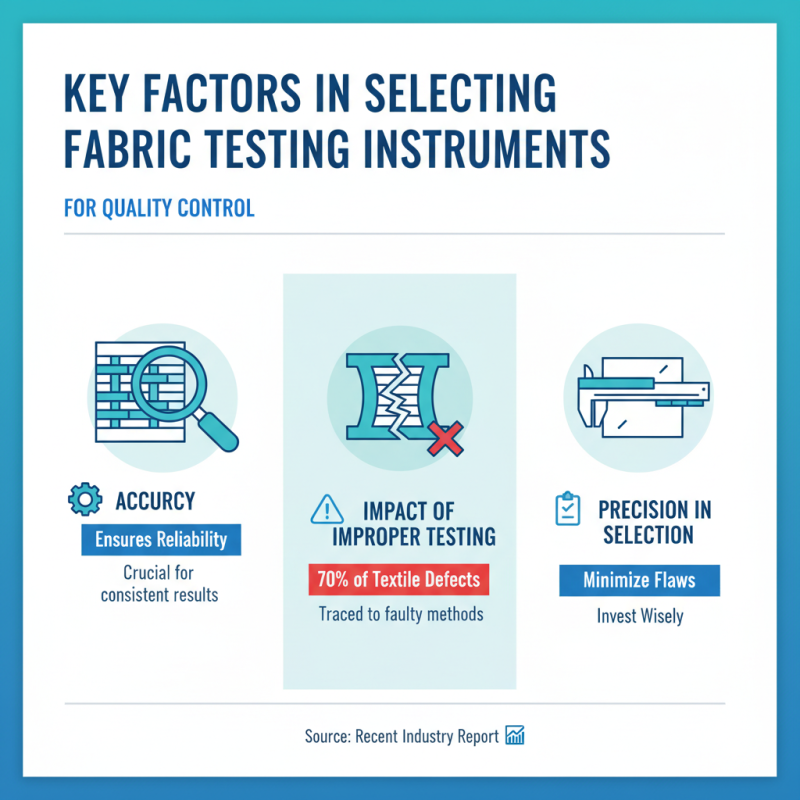
When selecting fabric testing instruments, there are critical factors to consider for effective quality control. The accuracy of fabric testing devices plays a vital role in ensuring reliability. According to a recent industry report, over 70% of textile defects can be traced back to improper testing methods. This highlights the need for precision in your selection process.
Consider the type of tests you require. Different instruments cater to specific properties like tensile strength, colorfastness, or abrasion resistance. For example, if you're focused on durability, look for machines that provide consistent results over multiple trials. The right choice can enhance your product quality significantly.
Tips: Always verify calibration standards when purchasing testing instruments. Well-calibrated devices can reduce errors and improve consistency. It’s also crucial to assess user-friendliness. Instruments that require extensive training may lead to inefficiencies in your quality control process. Reflect on your team's capabilities to ensure the best fit for your operations.
Overview of Common Fabric Testing Methods and Their Applications
When selecting fabric testing methods, it's essential to understand the specific applications and requirements of your textile products. Common methods include tensile strength, abrasion resistance, and colorfastness tests. Each of these tests serves a different purpose. For instance, tensile strength measures a material's ability to withstand pulling forces. This is crucial for ensuring durability in garments.
Abrasion resistance testing evaluates how fabrics hold up against wear and tear. Garments subjected to rough conditions, like outdoor clothing, require fabrics with high abrasion resistance. Colorfastness testing ensures that dyes do not bleed or fade under various conditions. It’s vital for maintaining the visual quality of the fabric.
While choosing the right tests, consider your target market and end uses. Your fabric might excel in one area but fall short in another. For example, a fabric may have excellent color retention but low abrasion resistance. Balancing these attributes requires careful consideration and sometimes compromise. A thorough understanding of fabric properties will lead to better quality control and customer satisfaction.
Evaluating Instrument Accuracy and Precision in Fabric Testing
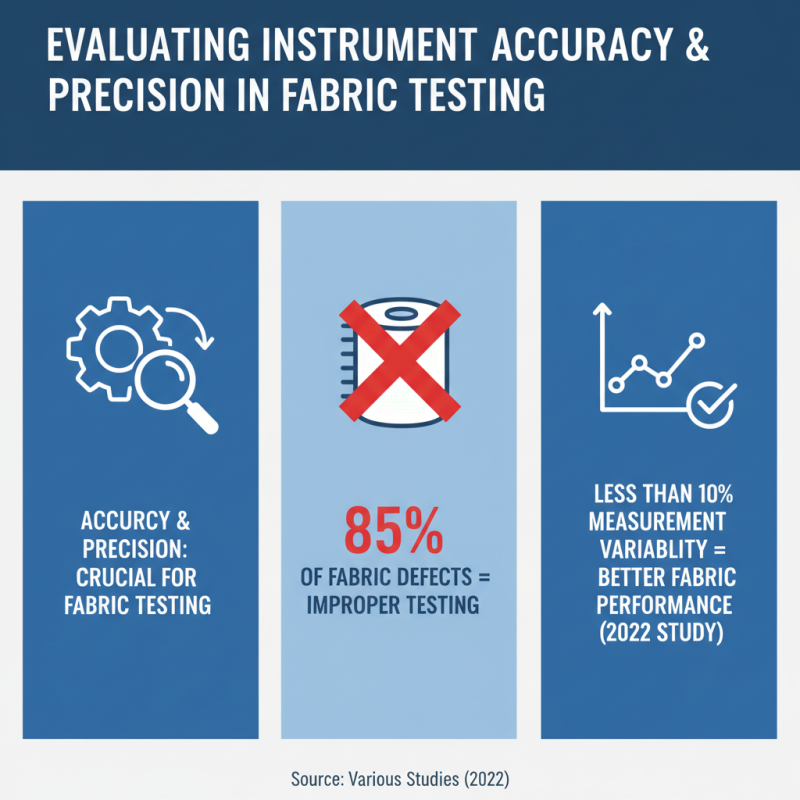
When selecting fabric testing instruments, accuracy and precision are crucial. Various studies indicate that 85% of fabric defects stem from improper testing methods. Accurate readings ensure quality control, while precise measurements lead to reproducible results. A study conducted in 2022 highlighted that instruments with less than 1% measurement variability yield better fabric performance assessments.
To achieve reliable data, one must evaluate the calibration of testing devices. Consistent calibration can significantly enhance the instrument's capability. For instance, a report from the Textile Research Institute found that uncalibrated machines could lead to a 30% deviation in tensile strength results. Understanding these potential pitfalls allows for better-informed decisions when choosing testing instruments.
Testing methods can vary, even among similar materials. Inconsistencies in temperature and humidity can affect outcomes. A survey identified that nearly 40% of fabric testers overlook environmental controls. This oversight can compromise results and affect fabric quality assurance processes. A thorough understanding of these factors will enhance the reliability of test results, ultimately supporting the fabric development process effectively.
Cost-Benefit Analysis of Fabric Testing Instruments for Businesses
Choosing the right fabric testing instruments is crucial for businesses. A well-executed cost-benefit analysis can highlight the financial implications of these investments. According to the Textile Industry Association, businesses can save up to 30% in production costs by choosing precise testing methods. Accurate testing helps in reducing material wastage and ensures quality control.
Incorporating fabric testing instruments offers immediate feedback. Companies can identify defects early, minimizing costly errors. A report from the International Fabric Testing Foundation suggests that companies investing in reliable testing see a 25% improvement in product consistency. However, selecting the right instruments can be challenging. Many firms underestimate the maintenance costs involved. This oversight can lead to unexpected expenses down the line.
Evaluating the long-term benefits versus initial costs is essential. A basic testing machine might suffice initially, but it could fall short in handling diverse fabric types. Businesses must consider not just the initial investment but the potential return over time. Investing in advanced technology may seem steep, but it can enhance efficiency and accuracy significantly.





 Home
Home