Essential Tips for Choosing Textile Laboratory Testing Equipment?
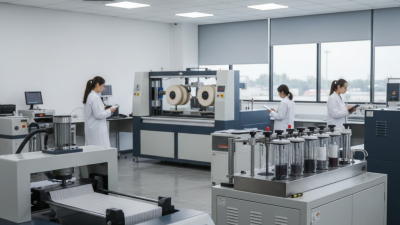
In the fast-evolving textile industry, the selection of Textile Laboratory Testing Equipment is crucial for quality assurance. A recent report by Technavio highlights that the global textile testing equipment market is projected to grow by approximately 7% annually. This growth reflects the increasing demand for precise and reliable testing solutions.
Dr. Emily Miller, a recognized expert in textile engineering, emphasizes, "Choosing the right testing equipment can significantly impact product quality and compliance." Her insights underline the importance of assessing equipment that meets industry standards. The quest for accuracy is relentless in this sector.
Moreover, manufacturers often face challenges in evaluating performance and durability. Some available equipment lacks comprehensive features. This can lead to inconsistent results, highlighting the need for careful selection. Understanding the specifications and capabilities of Textile Laboratory Testing Equipment is vital for businesses aiming to ensure their products meet consumer expectations and regulatory requirements.

Factors to Consider When Selecting Textile Testing Equipment
Selecting the right textile testing equipment requires careful consideration of several critical factors.
First, think about the type of tests you need. Different materials require specific testing methods.
For example, fabrics may need to be tested for tear strength, colorfastness, or durability. Ensure your chosen equipment can accommodate these requirements.
Budget is another significant factor. Testing equipment can vary widely in price.
Higher costs don't always equate to better quality. It’s essential to balance your needs with your budget constraints.
Look for reliable equipment that offers value for money. Also, consider ease of use.
Complicated machines can lead to mistakes, wasting time and resources. A user-friendly interface will aid in training staff efficiently.
Lastly, ensure that the equipment adheres to industry standards.
Compliance with standards guarantees accuracy and reliability. Research the reputation of manufacturers and read reviews.
Checking for warranties and support services is prudent. This may save you headaches in the long run.
Always reflect on your experiences with previous equipment to improve your future choices.
Choices made today can significantly impact your lab's productivity.
Types of Textile Testing Equipment and Their Applications
When selecting textile testing equipment, understanding the types available is crucial. Each type serves a unique purpose in assessing fabric quality. For instance, tensile strength testers measure how much force a textile can withstand before breaking. This is essential for industries where durability is key.
Another important piece of equipment is the color fastness tester. It evaluates how well a fabric maintains its color when exposed to various conditions. This can impact consumer satisfaction significantly. Additionally, pH meters allow for the testing of the acidity or alkalinity of textile materials. This is critical for ensuring that textiles are safe and comfortable against the skin.
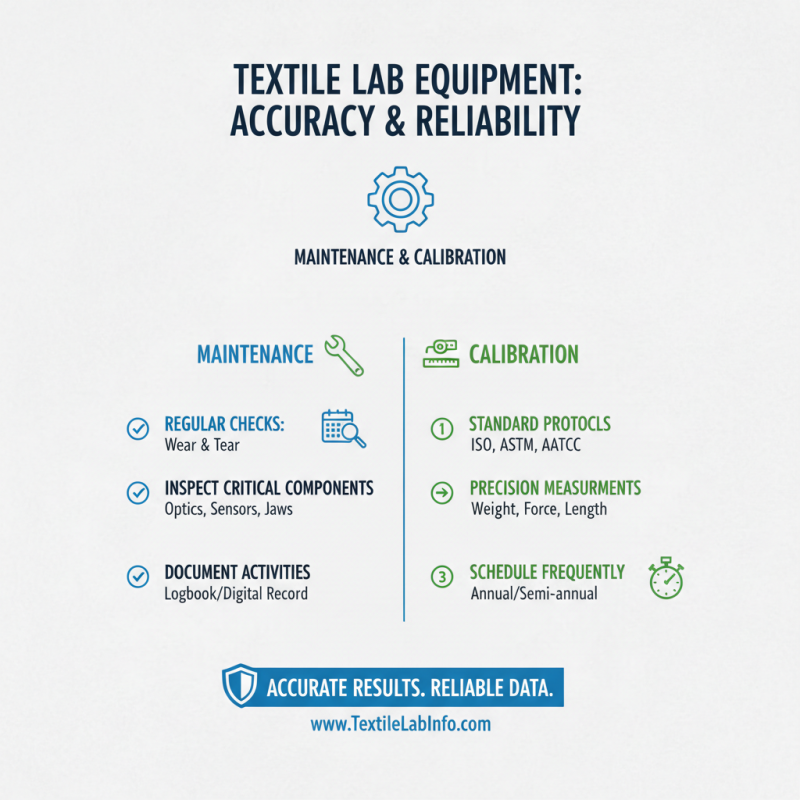
Testing equipment must be reliable and accurate. Without these qualities, the results may lead to flawed conclusions. It's wise to consider training for staff using this equipment. Sometimes, misuse can skew data, creating discrepancies that affect product quality. Regular calibration of equipment can also prevent these issues. Investing in quality testing tools is not merely a choice; it’s a necessity in producing textiles that meet industry standards.
Key Features to Look for in Testing Devices
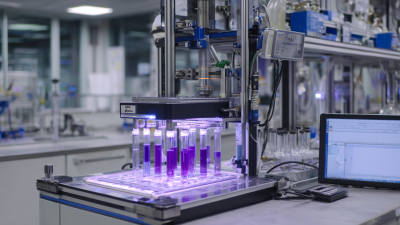
When selecting textile laboratory testing equipment, it’s crucial to focus on key features that determine reliability and accuracy. Precision is a major factor. Testing devices should provide consistent and repeatable results. Look for equipment with clear calibration standards, ensuring accuracy in various fabric types. If calibration is not straightforward, results may vary, leading to unreliable data.
Another important feature is versatility. Testing equipment should handle different types of textiles, from natural fibers to synthetics. Devices that can accommodate various test methods, like tensile strength or colorfastness, enhance usability. If a machine is limited to certain tests, it can hinder your lab’s capabilities.
Ease of use is also essential. Complex interfaces can lead to mistakes in operation. Equipment should come with intuitive controls and clear instructions. Training should be minimal, allowing lab technicians to focus on testing. If the learning curve is steep, it may cause delays and errors. Investing time in understanding the features can also reveal limitations not initially apparent.
Essential Tips for Choosing Textile Laboratory Testing Equipment
| Feature |
Importance |
Recommended Specifications |
| Accuracy |
Essential for reliable test results |
±0.1% precision for most textile tests |
| Ease of Use |
Reduces training time and errors |
User-friendly interface with clear instructions |
| Automation |
Improves efficiency and consistency |
Automated calibration and reporting features |
| Versatility |
Ability to conduct multiple tests |
Supports various testing methods (e.g., tensile, tear) |
| Maintenance |
Ensures long-term performance |
Easy access to parts and support |
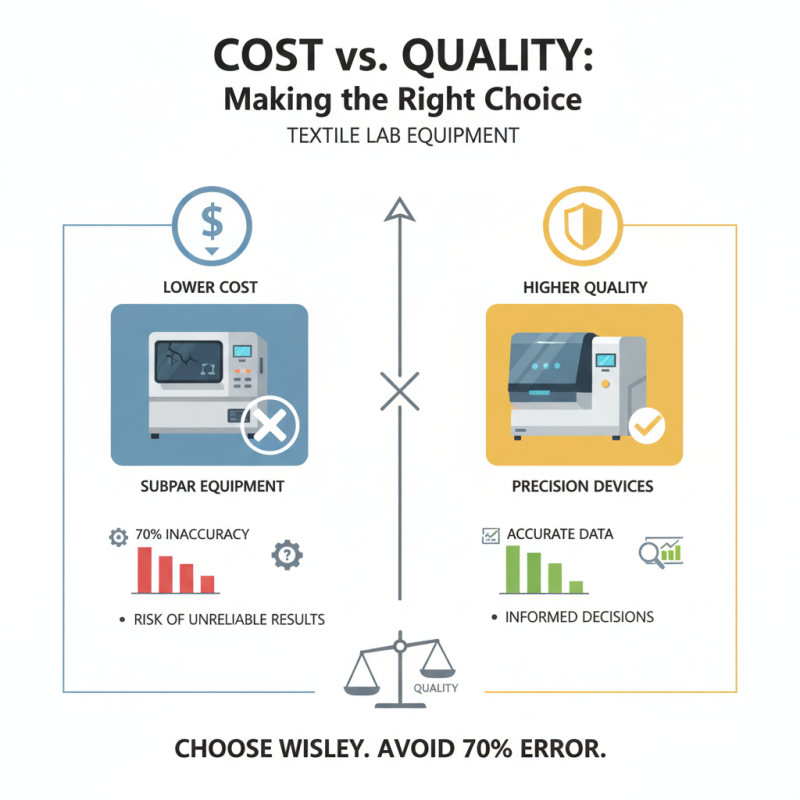
Cost vs. Quality: Making the Right Choice
When selecting textile laboratory testing equipment, the balance between cost and quality is crucial. Investing in high-quality testing devices can significantly impact the accuracy of results. A recent industry report revealed that over 70% of testing inaccuracies result from using subpar equipment. This discrepancy highlights the importance of making informed choices.
Cost is undoubtedly a factor. However, lower-priced options may lead to long-term expenses due to frequent repairs or replacements. According to research, companies that prioritize quality over cost save an average of 15% in operational expenses over five years. These savings stem from fewer errors and more reliable results.
Consider these tips when choosing testing equipment. First, evaluate your specific needs. Understand which tests are most critical for your operations. Next, research the reputation of the manufacturers. Reliable brands often have proven track records. Lastly, consult industry experts or peers for recommendations. They can provide insights that may not be evident in brochures or advertisements. Investing time upfront pays off in the long run.





 Home
Home