2026 How to Choose the Best Fabric Testing Instruments?
Choosing the right Fabric Testing Instruments is crucial for quality control in the textile industry. With various options available, making the right decision can be overwhelming. Understanding your specific testing needs and the capabilities of each instrument is essential.
When selecting Fabric Testing Instruments, consider factors like accuracy, ease of use, and reliability. Different fabrics require different tests. A reliable instrument should provide consistent results over time. Manufacturers often provide misleading marketing claims, so it's important to research thoroughly.
Moreover, testing can be resource-intensive. You may not always achieve the desired results on the first try. Embrace the learning process and refine your approach. Ultimately, investing time and effort into choosing the best instruments will lead to better product quality and customer satisfaction.
Understanding the Importance of Fabric Testing in Textiles
Fabric testing plays a crucial role in the textile industry. It ensures that materials meet required standards and consumer expectations. By evaluating fabric properties, manufacturers can avoid defects and ensure durability. This enhances customer trust and brand reputation. Testing provides insights into the performance of fabrics under various conditions, including wear and tear.
Tips for selecting the right fabric testing instruments:
- Choose instruments that evaluate the specific properties you need. Think about strength, stretch, or colorfastness.
- Look for user-friendly devices. Ease of use will encourage regular testing.
- Consider portability. Some testing requires on-site evaluation. A compact instrument can be beneficial.
Understanding the importance of fabric testing goes beyond compliance. It helps identify potential failures early. Early detection can save time and resources. Successful brands often build testing protocols into their production process. This approach fosters continuous improvement and innovation. However, not all testing is foolproof. Sometimes instruments may produce inconsistent results. This inconsistency calls for regular calibration and staff training.
Key Factors to Consider When Selecting Fabric Testing Instruments
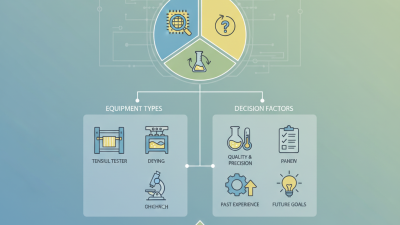
When selecting fabric testing instruments, several key factors must be considered. Accuracy is paramount. You want instruments that deliver reliable results. Unreliable data can lead to poor decisions. The precision of the instruments impacts testing outcomes, affecting product quality and safety.
Ease of use is another crucial aspect. Instruments should have intuitive controls. Complex interfaces can lead to user errors. It’s vital that operators can get accurate readings without hassle. Training is necessary, but simplicity helps reduce the learning curve.
Cost-effectiveness cannot be overlooked. While high-end instruments may offer advanced features, they might not always be necessary. Assess your needs. Investing in unnecessary technology can be wasteful. Reflect on what features genuinely improve your testing process. Your selection should balance quality, efficiency, and budget.
Types of Fabric Testing Instruments and Their Applications
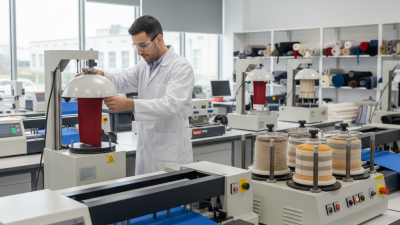
When selecting fabric testing instruments, understanding their types and applications is crucial. Various instruments serve different purposes. For example, tensile testers measure the strength and stretch of fabrics. They help assess durability and performance under stress. These tests are essential for ensuring quality in textiles.
Another important category includes abrasion testers. These devices evaluate how fabrics withstand wear and tear. They simulate friction and can predict the lifespan of materials. Knowing how much a fabric can endure is vital for brands focused on longevity.
Colorfastness testers also play a key role. They determine how colors react to various environmental factors. This is essential for consumers who want vibrant, long-lasting colors. However, not all fabrics perform equally. Some lack the resilience needed for challenging conditions. Understanding these nuances can help in making informed choices.
2026 How to Choose the Best Fabric Testing Instruments? - Types of Fabric Testing Instruments and Their Applications
| Instrument Type |
Application |
Key Features |
Suitable Fabrics |
| Tensile Tester |
Measure the strength of fabric under tension |
Digital display, automatic calculation |
Cotton, polyester, nylon |
| Bursting Strength Tester |
Evaluate the fabric’s durability under pressure |
Pressure gauge, user-friendly interface |
Woven, non-woven and knit fabrics |
| Color Fastness Tester |
Assess the color resistance of fabric |
Multi-sample testing, automated readings |
All types of dyed fabrics |
| Pilling Tester |
Determine the pilling tendency of fabrics |
Rotational testing, visual analysis |
Knitted and woven fabrics |
| Abrasion Tester |
Evaluate the wear and tear of fabrics |
Different testing methods available |
Leather, synthetic fabrics |
Evaluating the Accuracy and Reliability of Testing Equipment
Choosing the right fabric testing instruments involves a keen eye for accuracy and reliability. The calibration of these instruments determines the quality of results. Regular checks and maintenance can prevent discrepancies. Equipment that’s poorly calibrated might yield misleading data, impacting fabric quality assessments.
When evaluating instruments, consider their testing methods and standards. Instruments should align with industry benchmarks. Look for details such as the range of tests they can perform and their precision levels. Instruments that lack versatility could restrict the scope of your fabric analysis.
It’s essential to take feedback from experienced professionals into account. Their insights can highlight potential issues that may not be immediately obvious. Reliability is often tested over time. Instruments that perform well today may require scrutiny in the future. Understanding the limitations of your equipment can lead to better decision-making in the long run.
Maintaining and Calibrating Fabric Testing Instruments for Longevity
Maintaining and calibrating fabric testing instruments is essential for accurate results. Regular upkeep ensures longevity and reliability, avoiding costly errors. Instruments can be sensitive to environmental changes. Dust, humidity, and temperature fluctuations may affect their performance.
Tips for Maintenance: Clean instruments after each use. Use soft, dry cloths to remove dust. Store them in a controlled environment. This reduces the risk of damage or malfunction.
Calibration is critical. Schedule routine checks to ensure accuracy. It’s essential to follow industry standards. Miscalibrated instruments can lead to misleading test results. Take note of any inconsistencies in data. This reflects on the overall quality assurance process.
Don't overlook minor adjustments. Even small discrepancies can cause significant problems over time. Engage with manufacturers for expert advice on maintenance schedules. This will foster reliability in your testing results.





 Home
Home