Top 10 Fabric Testing Instruments for Quality Assurance?
In the world of textile manufacturing, quality assurance is paramount. Fabric Testing Instruments play a crucial role in assessing durability, colorfastness, and composition. According to a recent report by the International Textile and Apparel Association, over 70% of defects originate from inadequate testing. This underscores the importance of utilizing advanced testing equipment to maintain high standards.
Renowned expert Dr. Emily T. Gonzalez, a leader in textile science, states, "Robust testing instruments are essential for ensuring fabric reliability in today's market." Her work emphasizes that without proper evaluation, manufacturers risk delivering subpar products.
Despite advances in technology, some companies still overlook essential tests. This raises concerns about their commitment to quality. As we delve into the top 10 Fabric Testing Instruments, it’s vital to reflect on how these tools can enhance product integrity. Investing in the right equipment not only safeguards brand reputation but also fosters consumer trust.

Overview of Fabric Testing Instruments Used in the Industry
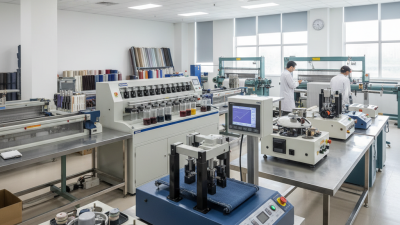
In the textile industry, quality assurance relies heavily on fabric testing instruments. These tools measure various properties, ensuring fabrics meet required standards. Strength, durability, and colorfastness are vital attributes that these instruments assess. Each instrument serves a unique purpose, contributing to the overall evaluation process.
Tensile strength testers are crucial for determining how much force a fabric can withstand before tearing. They provide valuable data on the material's reliability in real-world applications. Another essential tool is the moisture management tester. This instrument evaluates a fabric's ability to wick away moisture, which is critical for performance in activewear.
Additionally, colorfastness testers check how well fabrics retain their color when exposed to light, washing, or rubbing.
Despite these advanced tools, the industry still faces challenges. Different testing conditions can yield varying results, highlighting the need for standardization. Variability in fabric composition can also lead to inconsistencies in results. Ensuring accuracy across various tests is essential. This requires continuous training and updates on testing protocols to maintain reliability in quality assurance.
Importance of Quality Assurance in Fabric Production
Quality assurance plays a crucial role in fabric production. It ensures that textiles meet specific standards in durability, safety, and usability. A well-executed quality assurance program can reduce defects by as much as 30%. This reduction leads to fewer returns and enhances customer satisfaction.
The global textile industry suffers from substantial losses due to quality issues. Studies indicate that around 20% of fabrics are rejected due to non-compliance with set standards. Implementing fabric testing instruments can identify weaknesses early. These instruments measure parameters like tensile strength, colorfastness, and shrinkage. Inadequate testing can cause negative consequences. For instance, a single defective batch can tarnish a brand's reputation.
Investing in quality assurance systems shows promise. Research by textiles experts suggests that high-quality fabrics can increase sales by 15%. Furthermore, the demand for sustainable and ethically produced fabrics is growing. Addressing quality not only meets consumer expectations but also promotes responsible manufacturing practices. As challenges persist, continuous improvement in quality assurance becomes essential for long-term success in fabric production.
Top 10 Fabric Testing Instruments for Quality Assurance
Criteria for Selecting Fabric Testing Instruments
When selecting fabric testing instruments, several criteria come into play. Accuracy is vital; the instrument must deliver consistent measurements for reliable data. Precision ensures that results from different tests can be compared meaningfully. It's essential to opt for tools that offer clear calibration guidelines. These guidelines enhance the instrument's reliability over time.
User-friendliness is another important factor. Complex interfaces can hinder effective testing. Instruments should have intuitive controls and clear displays. Additionally, the instrument's versatility should not be overlooked. A device that can perform multiple tests saves time and resources. By choosing a versatile tool, businesses can streamline their quality assurance processes.
Consider the maintenance requirements of the instruments as well. Frequent checks can lead to downtime. Instruments requiring minimal upkeep are often more desirable. Lastly, it helps if the provider offers strong technical support. This support can be crucial when troubleshooting issues. Testing fabrics is not just a routine; it’s about ensuring quality in every stitch.
Top 10 Recommended Fabric Testing Instruments for Reliability
When it comes to fabric testing, reliability is paramount. A recent report from the Textile Research Journal highlights that inconsistent testing can lead to significant defects in the final products. Reliable testing instruments are crucial for quality assurance in textile production. They help ensure that fabrics meet industry standards for durability, safety, and performance.
Using the right fabric testing instruments fosters trust. Instruments such as tensile testers and abrasion testers provide quantitative data on fabric strength and wear resistance. Data shows that using advanced testing methods can reduce defect rates by up to 30%. However, many companies underestimate the importance of updating their testing protocols. Regular audits of testing equipment are essential to maintain reliability.
Investing in up-to-date instruments enhances product quality. Optical microscopes can reveal fabric defects invisible to the naked eye, while color fastness testers ensure that dyes remain intact through multiple washes. Industry reports indicate that fabrics tested for colorfastness see a 20% decrease in customer complaints. Knowledge gaps often exist regarding which tests are necessary for different fabric types. Addressing these gaps through proper training could enhance overall quality assurance processes significantly.
Top 10 Fabric Testing Instruments for Quality Assurance
| Instrument Name |
Purpose |
Key Features |
Typical Applications |
| Fabric Strength Tester |
Measures tensile strength of fabrics |
Digital display, high precision |
Quality control in textiles |
| Color Fastness Tester |
Evaluates color retention |
Multiple washing and light testing conditions |
Dyed textiles and garments |
| Bursting Strength Tester |
Tests fabric's resistance to bursting |
Adjustable pressure settings |
Nonwoven fabrics and textiles |
| Thickness Gauge |
Measures fabric thickness |
Digital readout, easy calibration |
Layered materials and textiles |
| Pilling Tester |
Assesses fabric's pilling tendency |
Controlled abrasion test environment |
Apparel and upholstery fabrics |
| Water Repellency Tester |
Evaluates water resistance of fabrics |
Spray and immersion tests |
Outdoor and performance textiles |
| Abrasion Tester |
Measures fabric durability under friction |
Rotating abrasive wheels |
Sofas, clothing, and industrial fabrics |
| Seam Strength Tester |
Tests strength of seams in fabrics |
Multi-directional load application |
Garment construction quality testing |
| Flammability Tester |
Assesses fabric's resistance to ignition |
Controlled flame exposure |
Home textiles and safety garments |
| Air Permeability Tester |
Measures how air flows through fabrics |
Digital and analog options |
Activewear and breathable textiles |
Future Trends in Fabric Testing Technologies and Innovations
The evolution of fabric testing technologies is pivotal for quality assurance in textiles. Recent reports indicate that over 50% of textile manufacturers prioritize advanced testing methods. These technologies are rapidly developing, focusing on automation and precision. Innovations like digital imaging and machine learning algorithms are changing the landscape of fabric quality assessment.
Digital imaging allows for more accurate analysis of fabric texture and pattern integrity. By using high-resolution cameras, flaws can be detected at a microscopic level, ensuring products meet high standards. Machine learning can predict potential fabric failures by analyzing historical data. This predictive capability reduces waste and enhances sustainability in textile production.
Despite advancements, challenges remain in integrating these technologies into existing supply chains. Resistance to change can slow adoption rates. Additionally, the need for skilled personnel to operate advanced machinery is crucial. Industry reports suggest a significant skills gap could hinder progress. The future of fabric testing depends on overcoming these hurdles while maintaining the balance between innovation and practicality.





 Home
Home