How to Choose the Best Textile Lab Equipment for Your Needs?
Choosing the right Textile Lab Equipment can significantly impact your research and production outcomes. Renowned textile engineer, Dr. Emily Chen, once stated, “The right tools make all the difference in textile innovation.” This expertise underlines the importance of selecting suitable equipment tailored to specific needs.
Textile Lab Equipment encompasses various instruments, from fabric testers to dyeing machines. Each piece plays a crucial role in ensuring quality and precision. The array can be overwhelming for newcomers and seasoned professionals alike. Understanding the core functions and specifications is vital.
It's important to reflect on past experiences with equipment. Perhaps there were challenges that highlighted the need for certain features. Maybe a lack of specific tests led to unsatisfactory results. Such reflections help refine the choice of Textile Lab Equipment, steering clear of pitfalls and leading to better decisions.
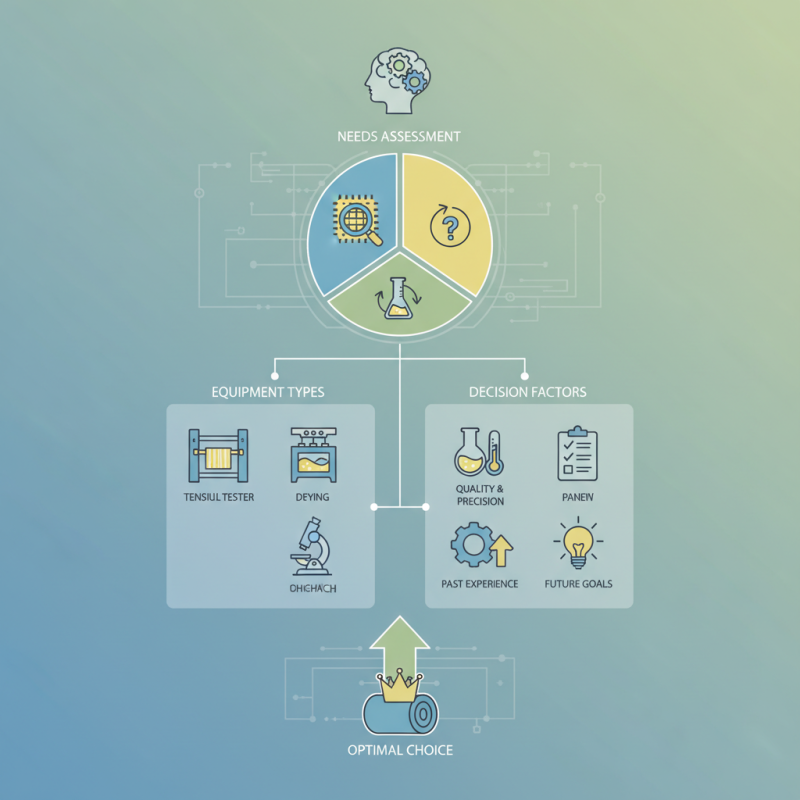
Identifying Your Specific Textile Testing Requirements
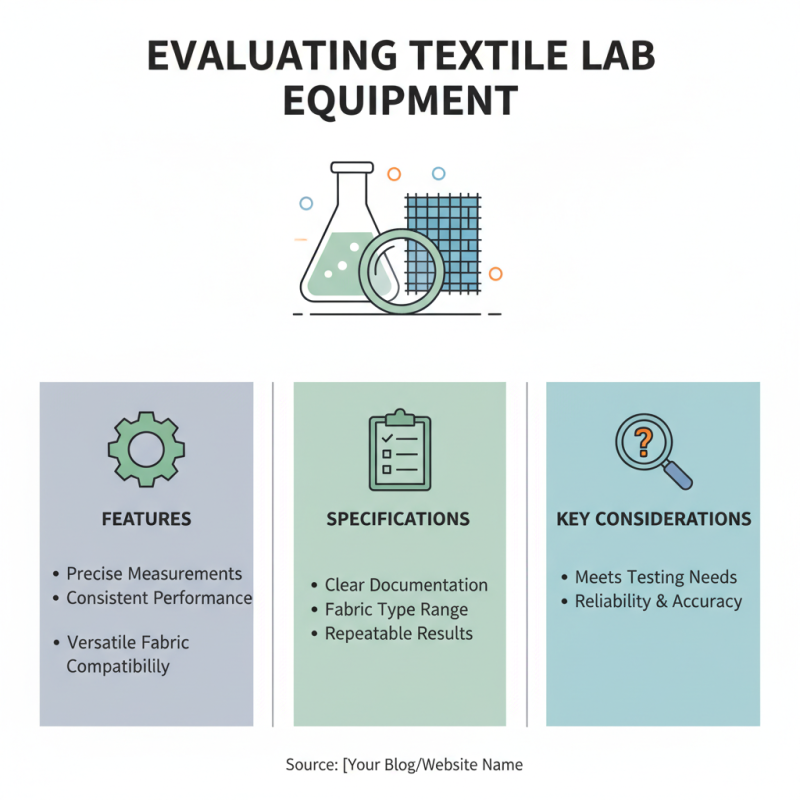
When selecting textile lab equipment, understanding your specific testing requirements is crucial. Different textiles require different testing methods. For example, some fabrics need strength and durability tests, while others may require colorfastness assessments. Knowing which tests to conduct helps in choosing the right tools.
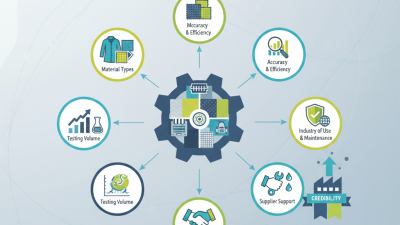
Start by evaluating the types of materials you'll be working with. Are they natural or synthetic? This decision influences the necessary equipment. Also, consider the range of tests you might need. Will you focus on tensile strength, pH levels, or moisture content? Each of these considerations narrows down your equipment options.
Don't overlook the importance of reliability and accuracy in testing. Equipment that provides consistent results aids in achieving quality control. Reflect on your previous lab experiences. Were there gaps in testing that impacted your results? A thoughtful review of past challenges can guide your future equipment choices effectively.
Understanding Different Types of Textile Lab Equipment
Choosing the right textile lab equipment is essential for effective testing and analysis. Various types of equipment cater to different needs. For instance, color measurement devices assess dye consistency, ensuring color accuracy. These instruments can be sensitive to light and temperature, impacting results.
Fabric testing machines evaluate durability and tensile strength. They determine how well a material withstands stress. Misinterpretation of results often stems from improper calibration. Calibration checks are crucial for accurate readings.
Moreover, microscopic imaging tools allow a closer look at fabric fibers. They reveal structural details that affect texture and appearance. Investing in this equipment requires understanding your specific requirements. Each piece serves a unique purpose, and some may lead to confusion about necessity. Thus, evaluate your lab’s focus and goals carefully.
Budget Considerations for Textile Lab Equipment Acquisition
Budget considerations are crucial when acquiring textile lab equipment. The textile industry is evolving, and investing in the right tools is essential. According to the "Textile Testing Instruments Market Report" by Industry Research, the global market is projected to reach $1.2 billion by 2025. This growth reflects an increasing demand for quality testing and innovation in textiles.
Determining your budget requires a clear understanding of your needs. Basic equipment like fabric testers may start at $1,000, while advanced systems can range from $10,000 to $100,000. It's wise to prioritize essential tools that align with your testing requirements. Purchasing the latest technology may not always be necessary, as refurbished or second-hand options can be budget-friendly. However, consider the reliability and support for these tools before making a decision.
As you evaluate choices, consider not only the initial investment but also long-term costs. Maintenance, calibration, and training all add to your budget. Data from a recent survey indicated that 40% of labs underestimated ongoing expenses. This oversight can strain resources. A comprehensive budget plan should incorporate both equipment costs and these ongoing expenses for a well-rounded approach.
Budget Considerations for Textile Lab Equipment Acquisition
Maintenance and Support Services for Lab Equipment Selection
Choosing the right textile lab equipment is a significant investment. However, maintenance and support services often get overlooked. These services can define the longevity and efficiency of your equipment. Regular maintenance ensures optimal performance and can prevent costly downtimes. Skilled professionals should handle these tasks, maximizing your equipment’s lifespan.
Support services are equally essential. When issues arise, having access to knowledgeable technicians is crucial. Quick response times minimize disruptions to your work. Consider providers who offer comprehensive training for lab personnel. This investment in training enables your team to handle minor issues independently.
Reflect on your needs carefully. Not every equipment can meet every requirement perfectly. Some may require specialized maintenance that your team isn’t equipped to perform. It’s important to weigh these factors when making decisions. Seek advice from experienced professionals in the field. Their insights can guide you toward making informed choices about your equipment and its ongoing support needs.
How to Choose the Best Textile Lab Equipment for Your Needs? - Maintenance and Support Services for Lab Equipment Selection
| Equipment Type |
Purpose |
Key Features |
Maintenance Frequency |
Support Level |
| Tensile Tester |
Measure strength and elasticity |
Digital readout, customizable settings |
Monthly |
Full Technical Support |
| Color Fastness Tester |
Assess color retention |
Heat & light resistance, data logging |
Quarterly |
Email Support |
| Moisture Meter |
Determine moisture content |
Digital display, quick response time |
Biannual |
Limited Phone Support |
| Fabric Thickness Gauge |
Measure fabric thickness |
Easy calibration, durable design |
Annually |
Online Resources Only |





 Home
Home