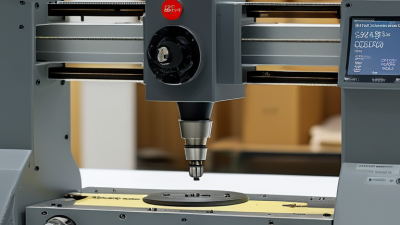
2026 Top Coefficient of Friction Testing Machine?
Choosing a 2026 Coefficient Of Friction Testing Machine is not simply a search for the highest specification. Packaging films can look identical yet slide differently under pressure, speed, and surface conditions. A small change in friction may affect film feeding, stacking, sealing, or a pouch’s movement across a line. The right instrument helps turn those production observations into repeatable measurements.
ASTM International’s ASTM D1894 and ISO 8295 describe established methods for measuring static and kinetic friction in plastic films and sheeting. These standards offer useful benchmarks when comparing suppliers, materials, and test results. Smithers’ packaging market research also tracks flexible-packaging materials and market shifts, giving manufacturers commercial context for their testing needs. Market trends, however, cannot determine a film’s actual friction. Testing can.
A practical machine should provide a suitable load cell, a stable sled, controlled test speed, and clear recording of test conditions. Specimen preparation and conditioning matter just as much. Even a well-built unit may produce misleading comparisons if operators change temperature, humidity, sample direction, or contact surfaces. Small details matter.
This guide examines leading machine features, test-method compatibility, usability, and support for quality-control work. It also considers where published specifications may fall short. “Top” depends on the task. A laboratory evaluating new films may need flexibility and data export, while a production team may value simple operation and consistent daily checks. There is no universal winner, and a single coefficient should not be treated as the whole story. The best choice is the machine that produces dependable results for the materials and decisions that matter in your operation.
What Is a Coefficient of Friction Testing Machine?
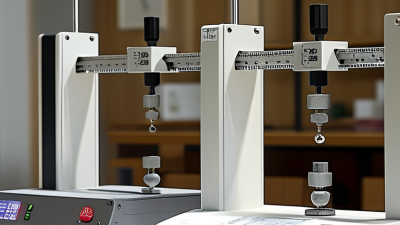
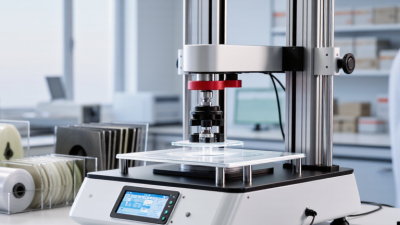
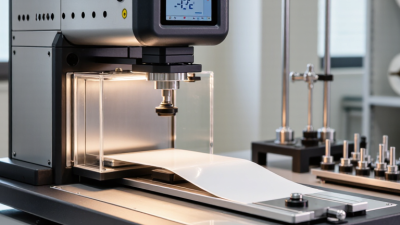
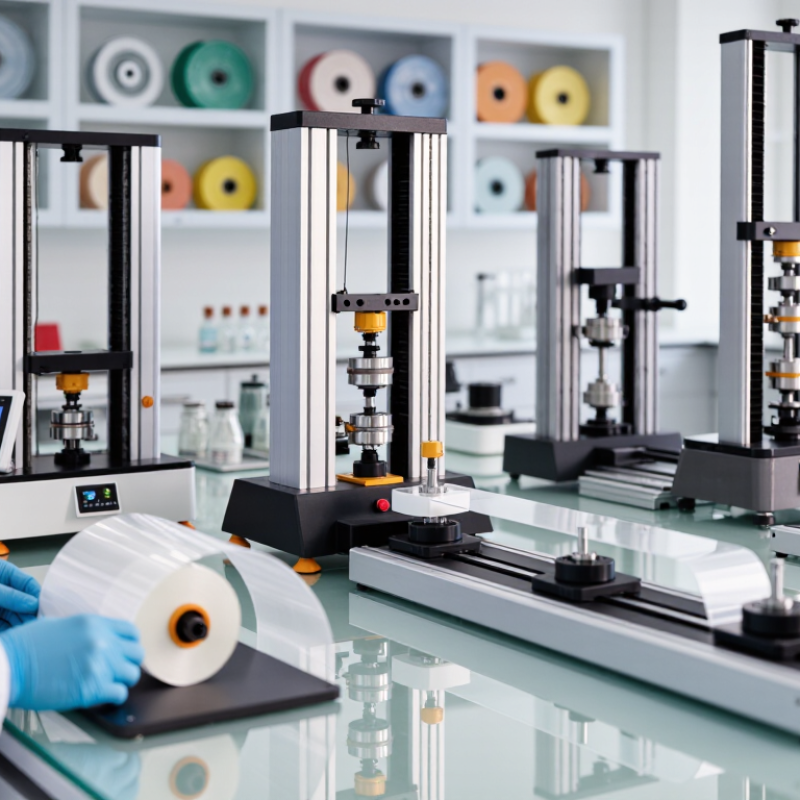
A coefficient of friction testing machine measures how strongly two surfaces resist sliding. In packaging, a common example is plastic film moving across another film or a metal surface. The machine pulls a weighted sled over a prepared sample and records the force needed to start movement and keep it moving. These readings are reported as static and kinetic coefficients of friction.
ASTM D1894 and ISO 8295 describe established methods for testing plastic film and sheeting. Their procedures help labs control sample preparation, contact conditions, and movement speed, so results can be compared more reliably. A coefficient is a ratio, not a force with units. For example, a kinetic value of 0.28 under a 10-newton normal load corresponds to about 2.8 newtons of sliding force. This is an illustration, not a universal acceptance limit.
A useful test record includes the material, test direction, conditioning environment, method, and both coefficient values. Small details matter: a dusty surface or a curled sample can shift the result. A clean number can still mislead. Repeat tests, and compare results only when the conditions match. The instrument gives data; people still need to judge whether that data reflects actual production and handling.
How Does a CoF Testing Machine Measure Surface Friction?
How Does a CoF Testing Machine Measure Surface Friction?
A CoF testing machine measures the force needed to slide one surface across another. Under ASTM D1894 and ISO 8295 methods, a sled moves over a prepared specimen at a controlled speed. A load cell records the pulling force. The machine divides that force by the normal force pressing the surfaces together. The result is the coefficient of friction, or CoF.
For example, an illustrative test with a 0.8 N pulling force and a 2.0 N normal force gives a CoF of 0.40. This is a sample calculation, not an industry benchmark. Many reports record both static CoF, the initial peak before movement, and kinetic CoF, the force during sliding. Those values can differ. A dusty film edge or a slight wrinkle may shift the result, so repeat tests matter. ASTM D1894 and ISO 8295 provide recognized procedures for testing film and sheeting; reports should state the method and conditions used.
Tips: Clean the sled and specimen, condition samples consistently, and record temperature, humidity, speed, and load. Small setup differences count. If readings vary, inspect the sample alignment before changing the test settings.
Which Materials and Test Methods Can It Evaluate?
A coefficient of friction tester can evaluate plastic films, paper, coated sheets, and selected textiles when the correct fixture and procedure are used. ASTM D1894 and ISO 8295 are established methods for plastic film. ASTM D4917 addresses uncoated writing and printing paper. These methods measure static friction, the force needed to start movement, and kinetic friction, the force during sliding. Two useful readings, not one.
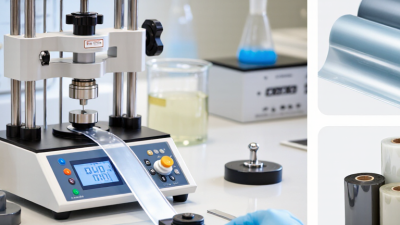
For film testing, a sled travels across a flat specimen while the instrument records force. A common setup uses a 200 g sled, but specimen preparation, conditioning, and test speed must follow the chosen method. Small changes matter: dust, wrinkles, or uneven coating can shift readings. Textile testing may require a different contact surface and method, so results should not be compared casually with film data. ASTM standards provide repeatable procedures, but they do not make every material behave alike. That part is easy to underestimate. A low-friction packaging film may slide smoothly on another film yet grip a metal surface. Record the material pair, surface direction, temperature, and humidity with each result; otherwise, the number loses useful context.
2026 Top Coefficient of Friction Testing Machine? Which Materials and Test Methods Can It Evaluate?
Test-method capability map: 1 indicates a measurement is a typical output; 0 indicates it is not a primary output of that method.
ASTM D1894 evaluates static and kinetic friction of plastic film and sheeting. ASTM G99 measures friction and wear in pin-on-disk sliding tests. ASTM D2047 determines static coefficient of friction for polish-coated flooring. The suitable machine, fixture, specimen, and test conditions depend on the material pair and the applicable standard; these capabilities are not a guarantee that every material can be tested using one setup.
References: ASTM D1894, ASTM G99, and ASTM D2047. Confirm current editions and scope before testing.
What Features Define Leading CoF Testing Machines in 2026?
Leading CoF testing machines in 2026 should deliver repeatable results, not merely fast readings. ASTM D1894 and ISO 8295 provide established methods for measuring static and kinetic friction in plastic films. Both values matter: a film may resist starting movement, then slide more easily.
A coefficient of 0.30 means the measured friction force is 30% of the sled’s normal force. Small differences can affect how film feeds across rollers or stacks on a production line.
Look for a stable, level test bed, a calibrated load cell, controlled sled speed, and software that records both force curves and final values. Environmental monitoring also helps, since humidity and temperature can change film behavior. Clear calibration records and exportable results make comparisons between shifts more credible.
Not just speed. A polished interface is useful, but it cannot rescue a drifting sensor or a poorly prepared sample.
In practice, operators should check film orientation, remove dust, and keep conditioning time consistent. I would still question any instrument that promises perfect repeatability; samples vary, and handling introduces noise.
A strong machine makes that variation visible, rather than hiding it behind a single tidy number.
How Should You Select and Maintain a CoF Testing Machine?
Selecting a coefficient of friction (CoF) tester starts with the material, not the catalog.
For plastic film and sheeting, ASTM D1894-24 defines procedures for measuring static and kinetic friction. Check that the machine supports the required sled, load, travel speed, and specimen size. Confirm the software records both peak starting force and steady sliding force. ASTM’s standard atmosphere is 23 ± 2°C and 50 ± 5% relative humidity; uncontrolled room conditions can shift results.
Small changes matter.
For repeatable readings, compare the tester’s configuration with your quality method before purchase. Ask for calibration records, measurement uncertainty, and a demonstration using your actual film or coating. A smooth-looking trace is not proof of accuracy. Keep the test table clean and level, remove dust from sled faces, and inspect cables, bearings, and contact surfaces for wear. Verify speed and force calibration on a scheduled basis, and log each check with date and instrument ID. ISO 8295 also provides a recognized method for measuring plastic-film friction, so confirm that your chosen setup matches the method your team reports.
There is a practical catch: operators may still handle samples differently. Record conditioning time, orientation, and surface side; small omissions can make comparisons less useful.





 Home