2026 Top Friction Tester Machine Price and Buying Guide
Buying a Friction Tester Machine in 2026 requires more than comparing supplier prices. Performance, calibration, materials, and after-sales support can change the real cost. A low quotation may exclude software, fixtures, installation, or annual verification. Small details matter.
This guide examines current price ranges and practical buying factors for laboratories, packaging manufacturers, paper mills, and quality-control teams. It considers test load, friction coefficient accuracy, sample dimensions, operating temperature, data export, and compatible standards. Reliable equipment should provide stable readings across repeated tests, not only impressive results during a demonstration. Calibration certificates, traceable reference materials, and clear maintenance instructions also deserve close attention.
Supplier experience is equally important. Ask for recent application examples, service response times, spare-part availability, and training arrangements. A trustworthy manufacturer should explain measurement uncertainty instead of promising perfect accuracy. No buying guide is flawless. Prices vary by region, configuration, shipping terms, and currency changes. Specifications may also appear similar while hiding different sensor quality or control systems.
The following sections help buyers connect machine features with actual testing needs. They also highlight common pricing mistakes and questions worth asking before payment. A careful buyer should record sample types, expected test volume, required standards, and available laboratory space. That simple preparation can prevent an expensive mismatch. Good equipment supports dependable decisions. The cheapest option does not always do that.
What Is a Friction Tester Machine and How Does It Work?
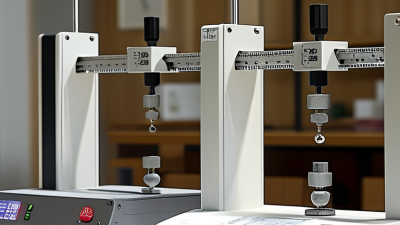
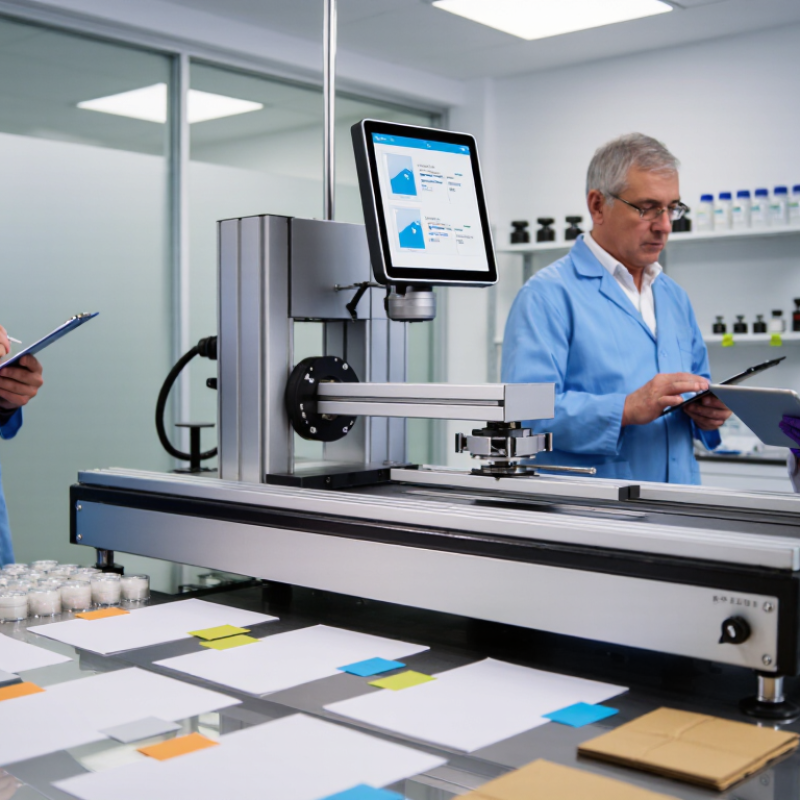
A friction tester machine measures how easily two surfaces slide against each other. It commonly reports static and kinetic coefficients of friction. Static friction shows the force needed to start movement. Kinetic friction describes resistance during continued sliding. These results help engineers evaluate films, paper, coatings, rubber, textiles, and packaging materials. Simple in principle. However, small testing errors can change the result.
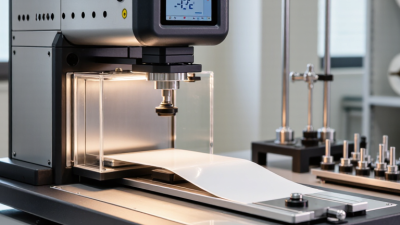
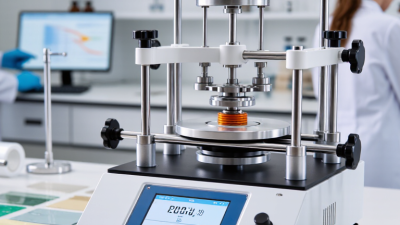
The machine usually places a specimen on a flat table.
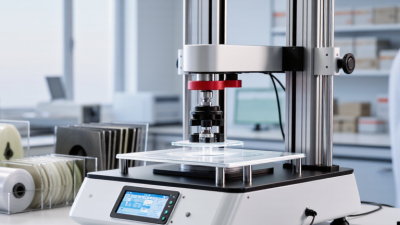
A second specimen, called a sled, rests above it with a controlled load. A motor pulls the sled at a defined speed. A force sensor records resistance during movement. Software then calculates friction values from the measured force and applied load.
Temperature, humidity, surface cleanliness, sample direction, and conditioning time can affect performance. Operators should follow a recognized method, such as ASTM D1894 or ISO 8295, when suitable.
When comparing friction tester machine prices in 2026, check more than the purchase cost.
Useful features include stable speed control, accurate load selection, calibration support, clear data export, and replaceable contact surfaces. Ask whether the supplier provides verification records and practical operator training.
A low price may look attractive. Yet weak repeatability can create expensive testing mistakes later.
From practical laboratory work, careful specimen preparation often matters as much as advanced software. I would also question unusually precise claims without supporting test data. Reliable buying decisions come from matching the instrument’s range, workload, and required standard to real testing conditions.
What Factors Determine Friction Tester Machine Prices in 2026?
Friction tester machine prices in 2026 depend on more than testing force. Load capacity, measurement accuracy, and repeatability strongly affect the base cost. A compact unit for routine laboratory checks may cost less than a system handling high loads or unusual samples. Digital force sensors, temperature control, and automatic data recording also raise the price. Small details matter.
Construction quality is another major factor. Rigid frames, wear-resistant contact parts, and stable drive systems support reliable results over years. Machines designed for recognized testing standards often include better calibration functions and traceable measurement reports. Software can add value, especially when engineers need graphs, exportable data, or user access control. However, advanced software is not always necessary. Some buyers pay for features their technicians rarely use.
Tips: Compare the complete package, not only the machine price. Check included fixtures, calibration certificates, installation, training, warranty coverage, and service response times. Ask whether replacement sensors are locally available. In practice, shipping and custom sample holders can change the final budget significantly. I have seen buyers focus on a low initial quote and overlook maintenance costs. That approach deserves reconsideration. A clear test method, expected workload, and sample range will help you avoid paying for unsuitable capacity. Also, request a demonstration using materials similar to your own.
How to Compare Friction Tester Machine Features and Performance
When comparing a friction tester machine, look beyond the quoted price. A reliable evaluation starts with the test method and sample type. Check the available load range, speed control, fixture design, and sensor resolution. These features directly affect repeatability.
A stable drive system should maintain speed during changing friction conditions. Ask for repeatability data, not only maximum capacity. Review calibration records and confirm the machine supports traceable measurement.
A clear software interface also matters. Operators should export force, coefficient, temperature, and time data without complicated steps. Small details help. A loose fixture can distort results.
Price comparisons should include installation, training, calibration, software updates, and replacement parts. A cheaper machine may become expensive after frequent service interruptions. In laboratory evaluations, consistent results usually matter more than impressive specifications. Request sample reports and test a familiar material before purchasing. Compare readings across repeated trials.
Do not assume higher resolution guarantees better performance. Sensor noise, alignment, and operator technique can limit real accuracy. I would also inspect the emergency stop, guarding, and electrical documentation. These checks are practical, not decorative. One weakness remains: published performance data may not match your working environment. Temperature, humidity, and surface preparation can change results. Leave room for uncertainty, and record every test condition.
How to Choose the Right Friction Tester Machine for Your Needs
Choosing the right friction tester machine starts with your test method, not the lowest 2026 price. Different films, paper grades, coatings, and packaging materials require different loads, sled sizes, and travel speeds. A machine built for flexible packaging may not suit rigid surfaces. That assumption fails.
Check whether the instrument follows your required testing standard and records static and kinetic friction separately. Experienced laboratory teams also examine repeatability, calibration intervals, temperature control, and software traceability. Test your samples. Ask for raw data, not only polished reports. A clear force curve can reveal slipping, vibration, or uneven surfaces that one final value may hide.
Price should include installation, calibration, training, maintenance, and replacement parts. A low purchase price can mislead. Compare the total operating cost over several years. Inspect the frame, sensor resolution, emergency controls, and enclosure before ordering. Confirm that the load range matches your real samples, including thin materials that need gentle handling. If your testing volume is high, automated specimen movement may save labor. If testing is occasional, that feature may add needless cost. I would also leave room for uncertainty: laboratory conditions change, operators make mistakes, and surface preparation is rarely perfect. Select a supplier that provides technical records, responsive service, and practical guidance after delivery. Reliable support often matters more than a small initial discount.





 Home