Top 10 Textile Testing Machines You Need to Know About?
In the dynamic world of textiles, quality assurance is paramount. Textile Testing Machines play a crucial role in this process. Industry expert Dr. Emily Carter, a renowned textile engineer, emphasizes, “The right testing equipment can drastically improve the quality control process.” These machines provide invaluable insights into fabric durability and performance.
Understanding the various types of Textile Testing Machines is essential for manufacturers and researchers alike. They ensure that the final products meet industry standards and consumer expectations. From colorfastness testers to tensile strength machines, each unit has its purpose. However, not every machine offers the same reliability. Choosing the correct technology may seem daunting, and mistakes can be costly.
Quality control is as much about the process as the machines. Even with advanced equipment, human expertise is crucial. Training personnel to operate these machines effectively is often overlooked. A mismatch between technology and skill can lead to inaccurate results. Reminding ourselves that machines are only as good as the people who operate them is vital in this industry.

Overview of Textile Testing Machines and Their Importance
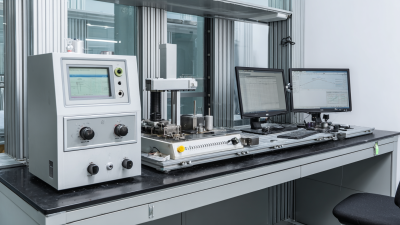
Textile testing machines play a vital role in ensuring quality and safety in the textile industry. These devices help assess fabric properties like strength, elasticity, and colorfastness. Each machine serves a specific purpose, making it easier for manufacturers to comply with industry standards. Reliable tests prevent defects and ensure customer satisfaction.
When considering textile testing, it is important to choose the right machine for your needs. Understand the types of tests required for your fabrics. Basic tests might include tensile strength or abrasion resistance. For specialized fabrics, you may need advanced machines that can assess unique properties. Investing in the right equipment is crucial.
Tips: Regularly maintain testing machines for accurate results. Calibration is essential to prevent discrepancies. Ensure that staff is trained effectively to operate these machines. Mistakes can lead to faulty testing, impacting the entire production process. Remember, quality assurance is an ongoing journey.
Types of Textile Testing Machines Used in the Industry
The textile industry relies heavily on various testing machines to ensure product quality. Among these, tensile testing machines are crucial. They measure the force required to stretch a fabric until it breaks. According to a report by Smithers Pira, nearly 70% of textile failures arise from improper tensile strength. This highlights the importance of accurate testing.
Colorfastness testing machines are another essential tool. They assess how well a fabric maintains its color when exposed to moisture or light. A study from the Textile Research Journal found that 30% of consumers return products due to color fading. This underscores the need for rigorous color testing processes.
Moreover, pilling testers help measure fabric durability. They evaluate how much bobbling occurs on the surface over time. Research indicates that fabrics with lower pilling ratings often perform better in the consumer market. Manufacturers can overlook these metrics, which can lead to higher return rates. This calls for a more robust testing regime to secure customer satisfaction.
Top 10 Textile Testing Machines You Need to Know About
| Machine Type |
Purpose |
Key Features |
Common Tests |
| Fabric Tensile Tester |
Determine tensile strength |
Digital display, Automatic data recording |
Tensile strength, Elongation |
| Color Fastness Tester |
Evaluate color stability |
Multi-sample capacity, Standardized test conditions |
Washing, Rubbing, Light fastness |
| Fabric Abrasion Tester |
Assess durability of fabric |
Adjustable testing parameters |
Abrasion resistance |
| Thickness Gauge |
Measure fabric thickness |
Digital measurements, Compact design |
Fabric thickness measurement |
| Moisture Management Tester |
Analyze moisture absorption |
Real-time data feedback |
Moisture regain, Absorbency |
| Flammability Tester |
Determine fabric flammability |
Safety compliance features |
Flame spread rate |
| Water Repellency Tester |
Evaluate water resistance |
Dynamic testing process |
Water penetration |
| pH Meter |
Test fabric pH levels |
Portable, Easy calibration |
pH level measurement |
| Shrinkage Tester |
Measure fabric shrinkage |
Standardized test conditions |
Dimensional stability |
| Bending Length Tester |
Test stiffness of fabric |
Precise measurement methods |
Bending length measurement |
Key Features to Look for in Textile Testing Equipment
When selecting textile testing machines, several key features should be the focus. Precision and accuracy are fundamental. Machines should be capable of providing repeatable results. According to a 2022 report by the Textile Testing Institute, devices with a deviation margin of less than 1% are ideal for ensuring quality.
Another important aspect is versatility. The ideal equipment can test various parameters like tensile strength, colorfastness, and abrasion resistance. A versatile machine accommodates different fabric types and testing standards. This ability is crucial as the textiles industry constantly evolves, adapting to new materials and consumer demands.
User-friendliness is also essential. Equipment should have an intuitive interface that allows for easy operation. Even seasoned professionals can face difficulties with complex systems. Regular maintenance and support are often overlooked yet vital for sustaining equipment performance. Users may find that without proper servicing, results can vary significantly over time. In an industry where precision drives profit, investing in quality machines becomes paramount.
Leading Manufacturers of Textile Testing Machines
When exploring textile testing machines, understanding the leading manufacturers is key. These companies offer reliable solutions that ensure fabric quality. Many specialize in various types of testing, such as strength, durability, and color fastness. Their expertise contributes greatly to the textile industry, helping manufacturers meet stringent standards.
Some manufacturers are known for innovative designs that enhance user experience. For example, automated systems simplify complex procedures. However, not all companies provide comprehensive support. This gap can lead to inefficiencies in testing processes. It's crucial to consider not only the machine's features but also the after-sales service offered by the manufacturer.
Quality control in textiles is vital, and these manufacturers recognize that. They invest in R&D to develop advanced technologies. Yet, the market is constantly evolving, which challenges even established brands. Staying updated with trends is essential for maintaining relevance. Companies must adapt or risk falling behind as new technologies emerge.
Top 10 Textile Testing Machines You Need to Know About
Future Trends in Textile Testing Technologies
The textile industry is evolving rapidly, influenced by advancements in technology. Future trends in textile testing emphasize automation and real-time data analysis. As machines become more sophisticated, the accuracy of textile testing improves. This evolution reduces human error and enhances reliability in fabric quality assessments.
Emerging technologies like AI and machine learning will reshape testing protocols. These technologies can predict material behavior under different conditions. The integration of smart sensors can provide continuous monitoring during production. This allows for adjustments on-the-fly, potentially saving time and reducing waste.
**Tip:** Consider investing in training for your team in these new technologies. Continuous education ensures that your staff remains competitive.
Another trend is the focus on sustainability. Testing methods are being developed to minimize environmental impact. This includes utilizing eco-friendly materials and reducing energy consumption during tests. Innovations like virtual testing can also decrease the need for physical samples, which conserves resources and aligns with eco-conscious practices.
**Tip:** Keep up with industry research to understand future demands. Being proactive in adopting new testing methods can set you apart from competitors.





 Home
Home