• facebook
  • youtube
  • linkedin
Leave Your Message

How to Choose Textile Laboratory Testing Equipment

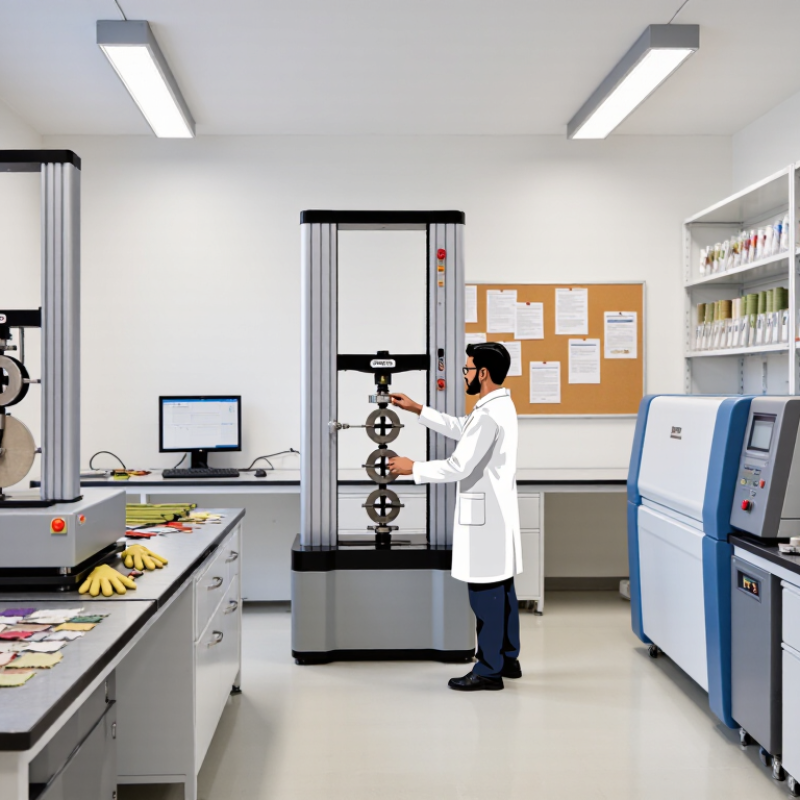
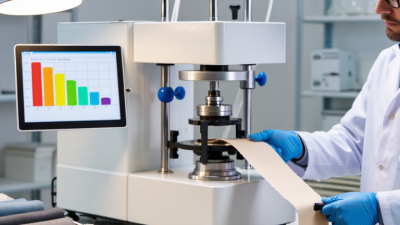
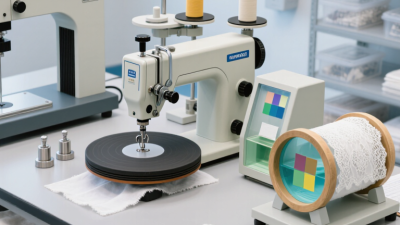
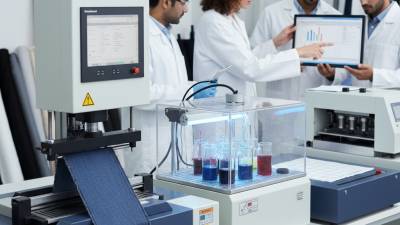
Choosing Textile Laboratory Testing Equipment is not simply a matter of buying the newest instrument. It means matching each test to the fabric, product claim, and production risk. A tensile tester may reveal seam or fabric strength, while an abrasion tester can expose surface wear. A colorfastness instrument matters when repeated washing or rubbing could change a garment’s appearance. Small setup differences matter. A poorly chosen clamp can distort results.

The scale of textile production makes dependable testing increasingly important. Textile Exchange’s Materials Market Report 2024 estimated global fiber production at 124 million tonnes in 2023 and projected 160 million tonnes by 2030. More materials and blends can mean more performance questions for laboratories. Standards such as ISO 13934-1 for tensile properties and ISO 12947 for abrasion help define test methods, but a standard alone does not guarantee a suitable instrument. Buyers should check required methods, specimen dimensions, calibration support, software, and service availability.

Textile researcher Dr. Seshadri Ramkumar studies fiber and textile technologies. A concise paraphrase of a practical lesson from this field is: “Performance claims need measurable evidence.” Treat that as a guiding idea, not a substitute for his exact words. Ask suppliers to demonstrate tests using your actual fabric, not a convenient sample. Keep room for doubt, too: a precise machine can still produce misleading results when operators, conditioning, or maintenance vary. The right Textile Laboratory Testing Equipment supports repeatable decisions, but only within a well-controlled testing process.

How to Choose Textile Laboratory Testing Equipment

Identify the Textile Properties and Tests You Need to Measure

Begin with the textile’s intended use, then list the properties that could affect performance. A shirt may need checks for colorfastness, pilling, dimensional change, and air permeability. Upholstery may call for abrasion resistance and seam strength. Start with the fabric. Note its fiber blend, construction, coating, and finish; these details can affect which test method gives useful results.

Choose tests before choosing instruments. For tensile strength, check the required load range and grip arrangement. For colorfastness, identify the exposure type, such as washing, rubbing, or light. Moisture management may require absorbency or drying-time measurements, not one vague “comfort” reading. Compare specimen size, conditioning needs, throughput, and reporting units. A sophisticated tester is not automatically the right one. For comparable results, use the same method and record settings, operator steps, and deviations.

Tips: Build a test matrix linking each property to a method, instrument range, and sample requirement. Ask whether the equipment can handle your actual fabric thickness and width. Review repeatability data, and confirm that staff can prepare specimens consistently. A small trial run can reveal practical issues, though it may not capture every production variation. Keep that limitation in view.

Match Equipment Types to Each Testing Requirement

A fabric test is useful only when the instrument measures the property you need. Start by defining the decision: checking seam strength, comparing wear resistance, or verifying color retention. Tensile and seam-strength testers apply controlled force and record breaking load or extension. Abrasion testers reproduce surface rubbing, while pilling testers assess fuzz and pills after repeated contact. Colorfastness equipment needs to match the exposure, such as washing, rubbing, or light. One machine cannot answer every question.

Tips: Check the specimen size, clamping method, force range, and reporting units before choosing. Keep specimens conditioned. Small details matter. Ask whether the instrument supports the test method your team actually uses, and confirm that calibration and maintenance can be handled consistently.

For dimensional change, choose equipment that measures length and width before and after washing or drying. Moisture-related tests may call for balances, controlled chambers, or absorption setups, depending on the method. It is easy to overlook sample preparation; even a well-specified tester can produce misleading comparisons if conditioning varies. Consider throughput, operator training, and data export too. A compact instrument may suit occasional checks, but a busy lab may need automated readings. Match the equipment to the test, specimen, and workflow—not just the most impressive specification.

Check Applicable Standards and Measurement Performance

When choosing textile laboratory testing equipment, begin with the test method your products must meet. Check the applicable standard, its current edition, and any customer-specific requirements. A tensile tester, for example, must match the specified grip type, test speed, and specimen dimensions. Small details matter. A machine that performs a similar test may not produce comparable results.

Then examine measurement performance against your actual materials and expected values. Check the instrument’s range, resolution, accuracy, and repeatability. For fabric thickness, confirm that the presser foot and applied pressure match the method; otherwise, a soft knit may compress and appear thinner. Ask how calibration is documented and how often it is needed. A neat specification sheet can still leave practical questions unanswered.

Consider sample conditioning, operator workflow, and data recording, too. Consistent temperature and humidity can affect results, especially for moisture-sensitive fibers. Request a demonstration using representative samples, not only an easy-to-test swatch. Compare repeated readings and note any variation between operators. No instrument removes every source of error. In practice, standards and laboratory conditions can be less tidy than a comparison table suggests, so verify the setup before purchasing.

How to Choose Textile Laboratory Testing Equipment — Check Applicable Standards and Measurement Performance

Test Application Typical Equipment Applicable Standard(s) Key Measurement Output Equipment Performance Checks
Conditioning and moisture-sensitive testing Textile conditioning chamber or controlled-atmosphere room ISO 139; ASTM D1776/D1776M Temperature and relative humidity during specimen conditioning and testing Check whether the system can maintain and record the atmosphere required by the selected method; review sensor calibration, uniformity, recovery time, and data logging.
Fabric tensile strength and elongation Universal tensile testing machine with fabric grips and suitable load cell ISO 13934-1 (strip method); ASTM D5034 (grab test) Maximum force, elongation, and force–extension data Select a load-cell range suited to the expected force, with verified force and extension accuracy. Check grip alignment, jaw faces, test-speed control, and the ability to follow the chosen method.
Fabric tearing strength Tensile or tear-strength tester configured for the specified tear method ISO 13937-2 (trouser-shaped test specimens) Tearing force, typically reported from the force record as specified by the method Confirm the instrument supports the required specimen geometry, force range, gripping arrangement, and data processing. Verify calibration and repeatability with suitable reference checks.
Martindale abrasion resistance Martindale abrasion and pilling tester with appropriate holders and abradants ISO 12947-2 (determination of specimen breakdown); ISO 12947-3 (mass loss) Cycles to breakdown or mass loss, depending on the selected procedure Check the number of stations, cycle counter accuracy, loading arrangement, motion, and compatibility with the specified abradant and specimen-holder setup.
Colour fastness to rubbing Rubbing fastness tester (crockmeter) ISO 105-X12; AATCC TM8 Colour transfer to the rubbing cloth, assessed using the applicable evaluation procedure Verify rubbing motion, stroke length, cycle control, and the specified loading arrangement. Ensure the instrument accepts the required dry and wet test materials.
Colour fastness to domestic or commercial laundering Laboratory washing machine or laundering tester with specified containers and accessories ISO 105-C06 Colour change and staining after the specified laundering procedure Check control of temperature, time, rotation or agitation, and detergent-addition procedure. Confirm compatibility with the method’s required containers, steel balls, and ballast, where applicable.
Air permeability of fabrics Air-permeability tester with a defined test area and pressure control ISO 9237; ASTM D737 Airflow per unit area at the specified pressure difference Choose a flow range and test-head area suited to the material. Check pressure-difference control, flow measurement, specimen sealing, and calibration across the intended range.
Fabric thickness Textile thickness gauge with a controlled presser foot ISO 5084 Thickness under the specified pressure and contact conditions Check measuring range, display resolution, presser-foot area, applied pressure, and foot movement. The test conditions must match the selected method and material type.
Fabric mass per unit area Laboratory balance, cutting template, and specimen preparation tools ISO 3801 (woven fabrics); ISO 9073-1 (nonwovens) Mass per unit area, calculated from specimen mass and area Match balance capacity and readability to the specimen size and expected mass. Check balance calibration and use a template with a verified cutting area.
Water resistance by hydrostatic pressure Hydrostatic pressure tester with controlled pressure increase and specimen clamping ISO 811 Hydrostatic pressure at the specified endpoint, such as water penetration at defined locations Check pressure range, pressure-increase control, display resolution, clamping integrity, and endpoint observation. Select a configuration appropriate to the method and expected material performance.
Seam slippage or seam opening Tensile testing machine with suitable grips and seam-test accessories ISO 13936-2 Force associated with a specified seam opening, or seam opening at a specified force Confirm that the machine can maintain the method’s test speed and force range. Check grip suitability, alignment, extension measurement, and the software’s ability to record the required endpoint.

Selection note: Standards specify test procedures and conditions; they do not necessarily define universal instrument accuracy or acceptance limits. Confirm the current edition, applicable method, specimen requirements, calibration needs, and required reporting format before purchasing equipment.

Compare Capacity, Workflow, Space, and Operating Costs

How to Choose Textile Laboratory Testing Equipment
Compare Capacity, Workflow, Space, and Operating Costs

Start with the tests your lab actually runs. A high-capacity instrument may look efficient, but it can sit idle if sample volume is low. Estimate weekly workloads, including seasonal peaks, repeat tests, and time needed to prepare specimens. Leave some capacity in reserve. It is easy to underestimate rush jobs.

Workflow matters as much as test speed. Check how samples move from conditioning to measurement and recording. A tester that requires frequent manual setup may slow a small team, even when its cycle time looks short. Consider whether operators can run other tasks while a test is underway. Small interruptions add up.

Measure the available space before comparing equipment. Include clearance for doors, ventilation, power connections, and safe specimen handling. A compact unit may fit neatly, but cramped access can make cleaning and maintenance awkward. Space is costly.

Then compare the full operating costs, not just the purchase price. Account for calibration, consumables, utilities, service visits, and staff training. Ask how often routine maintenance is needed and whether downtime would delay customer reports. A detailed cost estimate will still involve assumptions; record them, and revisit them after several months of actual use.

Assess Calibration, Training, Service, and Long-Term Suitability

How to Choose Textile Laboratory Testing Equipment

A textile tester should match the material, method, and decisions the lab needs to make. For tensile work, check grip options, load range, and whether fixtures suit narrow, stretchy, or coated specimens. A colorfastness tester needs consistent exposure and practical control of test conditions. Small details matter: a slipping clamp can distort results.

Calibration is not a checkbox. Ask how it is performed, which measurement ranges are covered, and whether records document traceability and uncertainty. Compare the equipment’s capability with the tolerance required by your test method. Keep records. Training should cover setup, specimen preparation, common errors, and basic checks—not just button-pushing. Have staff practice with actual fabric swatches before reporting results. Practice matters.

Service affects uptime and confidence. Clarify response times, spare-part availability, maintenance needs, and whether remote support can diagnose faults. Consider long-term fit: sample volume, future methods, bench space, utilities, software access, and consumable costs. Avoid buying capacity you may never use, but leave room for growth. That trade-off is harder than it looks. A low price can hide recurring costs. An advanced system can frustrate a team without enough maintenance time. Revisit the choice as workloads and staff skills change.