What is a Friction Peel Tester and How Does it Work?
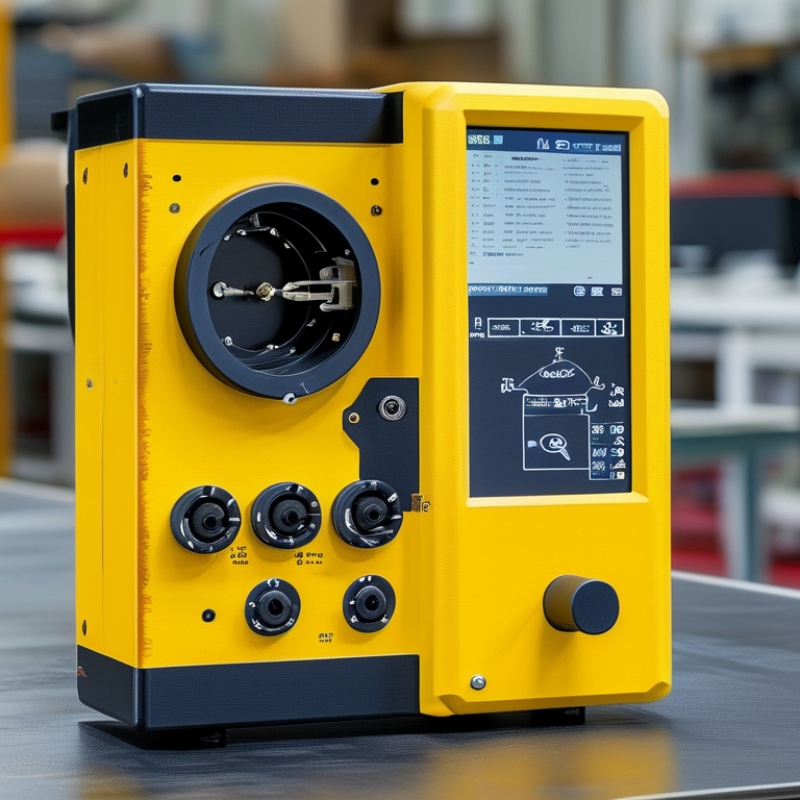
The Friction Peel Tester is a vital instrument in material testing. Its primary function is to measure the adhesion strength between two surfaces. This tool is used widely in industries such as packaging, automotive, and electronics. By evaluating the peel strength, manufacturers can ensure product reliability and quality.
Understanding how the Friction Peel Tester operates is crucial. It assesses how forces affect material bonds. Results from the tests can indicate potential weaknesses. This can lead to product failure if not addressed. Therefore, accurate testing is essential for maintaining high industry standards.
While the Friction Peel Tester provides valuable insights, it is not without limitations. Variations in surface conditions can affect outcomes. Additionally, improper calibration may yield misleading results. Testing must be conducted carefully. Reliable data ensures that products meet safety and performance requirements.
What is a Friction Peel Tester?
A friction peel tester is a vital tool for assessing adhesive bonds. It measures the force required to peel apart bonded materials under controlled conditions. This instrument is particularly useful for evaluating adhesives in packaging, automotive, and electronics industries. Typically, the tester applies a specific angle of peel and constant speed, ensuring consistent results across various samples.
When using a friction peel tester, it's essential to prepare samples carefully. Clean the surfaces to avoid contamination, which can affect bond strength. Consistency in sample size and application techniques is crucial for reliable results.
Remember to frequently calibrate the equipment. A well-calibrated tester yields accurate data. Moreover, exploring different adhesive types can reveal weaknesses or strengths in bonds. Document observations, as they can guide future projects. Every test teaches a lesson, and reflection will improve your methodology.
Friction Peel Tester Data Analysis
Principle of Operation for Friction Peel Testing
Friction peel testing is a vital method to evaluate adhesive bonds in various materials. The principle of operation stems from measuring how much force is required to peel apart bonded materials. When the angle of the peel is maintained at a specific degree, the test precisely captures the stress and strain of adhesives in use. According to industry reports, this method can reveal significant variations in bond strength based on environmental conditions, such as temperature and humidity.
The setup involves a specimen bonded at one end, typically creating a 180° peel configuration. As the test progresses, a measured force is applied to peel the material apart. The critical adhesion values obtained can range significantly, highlighting how difficult the test conditions can significantly impact material performance. Reports indicate that nearly 25% of adhesive failures occur during early exposure to environmental stressors, which is often overlooked in product development.
Understanding the principles behind friction peel testing helps in assessing the reliability of products. While it provides a quantitative measure, it may not fully predict real-world application scenarios. For instance, variations in adhesive thickness or surface preparation can lead to inconsistent results. Researchers often acknowledge these complexities, noting the need for further testing and validation under diverse conditions. In the end, the friction peel tester stands as a crucial tool for ensuring material integrity and performance.
Components of a Friction Peel Tester
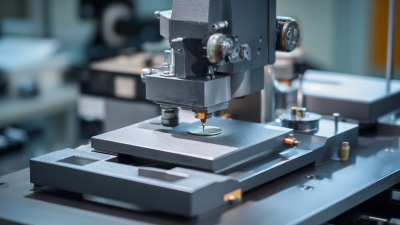
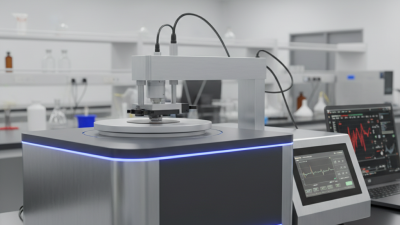
A friction peel tester is essential for assessing the adhesive strength of various materials. The components of this tester play a crucial role in ensuring accurate results. This device typically includes a base platform, a load cell, and a fixture system. The base platform provides stability during tests. It must be robust to withstand the forces applied.
The load cell measures the force exerted during the peel test. It's important for the load cell to have a precise calibration. Any inaccuracies can lead to misleading results. The fixture system holds the materials in place securely. A weak or poorly designed fixture can affect test outcomes, leading to potential failures in real-world applications.
Attention to detail in each component is crucial. Issues might arise if the components are not compatible or properly aligned. Regular maintenance and calibration of the friction peel tester are recommended. This helps ensure reliable performance over time. Users must reflect on their processes and make necessary adjustments to improve testing accuracy.
What is a Friction Peel Tester and How Does it Work? - Components of a Friction Peel Tester
| Component |
Description |
Function |
| Test Specimen |
The material sample being tested, typically bonded at one end. |
To evaluate the adhesive strength of the bond. |
| Peel Fixture |
Holds the specimen securely during testing. |
Ensures accurate application of force and measurement. |
| Load Cell |
Sensor that detects the force applied during the peel test. |
Measures the amount of force required to peel the specimen. |
| Control Panel |
Interface for setting parameters and initiating tests. |
Allows users to customize test conditions. |
| Data Acquisition System |
Collects and analyzes test data automatically. |
Facilitates data logging for test results and reports. |
Applications in Industry and Research
Friction peel testers are critical tools in both industrial and research settings. They measure adhesion strength between layers of materials. This is vital for applications in packaging, electronics, and construction. Industries often use these tests to ensure product integrity. In packaging, for example, weak seals can lead to disastrous failures. Researchers can refine materials by understanding their adhesive properties better.
In electronics, friction peel testing helps assess insulation and bonding. It ensures that components remain securely attached over time. The automotive industry also benefits from this technology. Adhesive bonds in vehicles must withstand various environmental factors. Poor adhesion can lead to safety hazards or performance issues.
Despite their importance, challenges remain. Variations in surface preparation can yield inconsistent results. Testers rely on precise techniques, which may not always be feasible. This inconsistency necessitates ongoing improvements in testing standards. Researchers must continuously adapt to new materials. Each development brings new questions about adhesion performance. The journey to perfect adhesion continues, highlighting the need for innovation in testing methodologies.
Interpreting Results: Understanding Peel Strength Data
Peel strength data is crucial in materials testing. Understanding these results can guide product development and quality assurance. A friction peel tester measures how well two materials adhere to each other. The test provides valuable insights into the strength of adhesive bonds.
Interpreting peel strength results requires careful consideration. High peel strength often indicates reliable bonding, but it can also suggest brittleness. Conversely, low peel strength may highlight poor adhesion or material incompatibilities. Industry reports show that adhesives with peel strengths above 10 N/25mm are generally considered effective for many applications, while those below this threshold may require reevaluation.
Tips: Always cross-reference peel strength data with material specifications. Be cautious of contextual factors like surface preparation, humidity, and temperature. These can greatly influence test outcomes. Remember, even small errors in testing can lead to significant discrepancies in results.
It’s vital to regularly calibrate testing equipment to ensure accuracy.





 Home
Home