Top Friction Peel Tester for Quality Assurance in China?
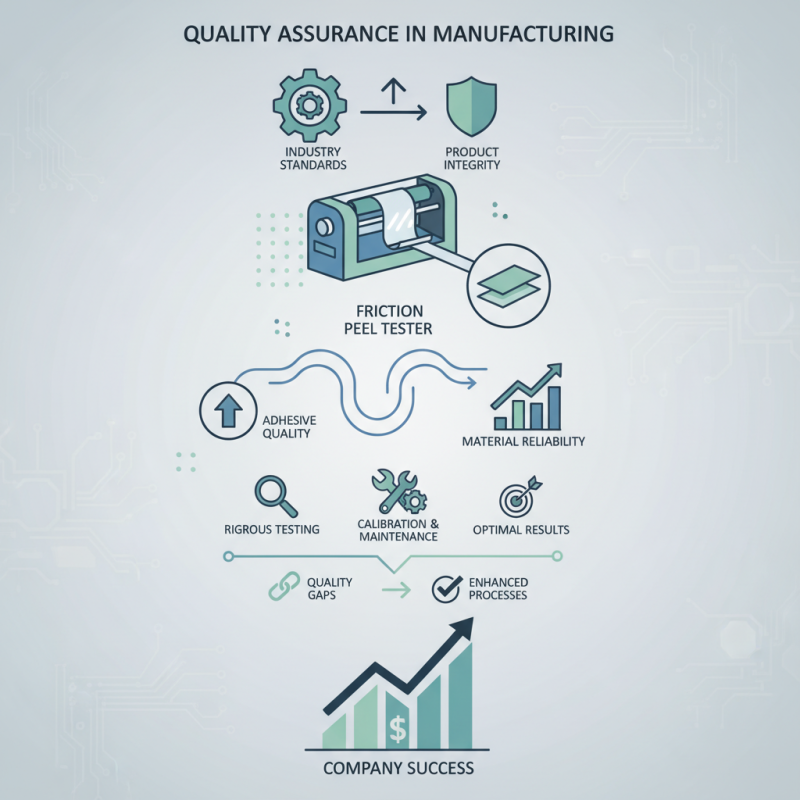
In the competitive landscape of manufacturing, quality assurance is paramount. The role of a Friction Peel Tester is vital in this regard. Industry expert Dr. Li Ming often emphasizes, "Every product's integrity depends on rigorous testing." His insights highlight the importance of reliable testing methods in maintaining standards.
In China, where production scales are massive, the demand for efficient testing solutions is growing. The Friction Peel Tester serves as an essential tool for evaluating adhesive quality. These instruments help ensure that materials can withstand the rigors of real-world applications. The accuracy of these testers can directly impact product reliability. Manufacturers are increasingly focusing on adopting advanced testing technologies to enhance their quality assurance processes.
Despite this reliance on technology, challenges remain. Some testers may not offer comprehensive analysis, which leads to gaps in quality control. Achieving optimal results requires regular calibration and maintenance of testing equipment. Investing in the right Friction Peel Tester can ultimately determine a company's success in today's market.
Top Friction Peel Testers: Introduction to Quality Assurance in China
Friction peel testing is vital for quality assurance in various industries. In China, manufacturers increasingly recognize its importance. This test assesses adhesive strength between materials. It ensures products meet required standards, minimizing defects.
Many companies invest significantly in friction peel testers. They seek reliable equipment to perform accurate tests. However, not all testers deliver consistent results. Some may lack advanced features, leading to errors. Regular calibration and maintenance are essential.
Choosing the right friction peel tester is challenging. Companies must consider factors such as precision and user-friendliness. Staff training is also crucial for effective operation. Testing procedures should be well-documented to avoid discrepancies. Continuous evaluation helps identify weaknesses in the process.
Key Features of Leading Friction Peel Testers in the Industry
Friction peel testing is crucial for ensuring the durability of various materials in manufacturing. Leading testers in this field share some common key features. A prominent aspect is their precision in measurement. Accurate readings help engineers assess material performance reliably. Moreover, these machines often offer user-friendly interfaces, enabling quick adjustments and data collection.
Another significant feature is versatility. Quality friction peel testers can accommodate different material types. They can handle everything from thin films to robust adhesives, which is vital in many industries, including packaging and automotive. Some models even provide customizable testing speeds. This flexibility allows users to better replicate real-world conditions.
While these machines are advanced, they are not without limitations. For instance, maintaining a consistent testing environment can prove challenging. Variations in temperature or humidity can affect results, leading to potential misinterpretations. Additionally, while automation enhances efficiency, it may sometimes overlook the nuanced human judgment required for comprehensive analysis. Balancing technology with expert oversight is essential for effective quality assurance.
Market Demand for Friction Peel Testers in China's Manufacturing Sector
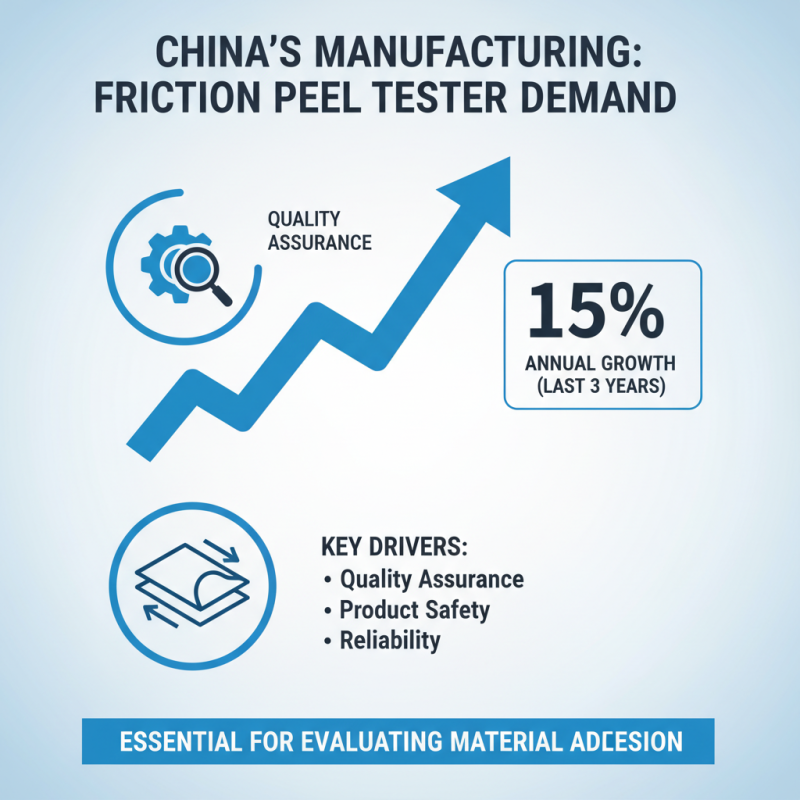
The manufacturing sector in China is experiencing a rising demand for friction peel testers. As industries focus on quality assurance, these instruments have become integral in evaluating material adhesion properties. Reports indicate that the demand for such equipment has grown by approximately 15% annually over the past three years. This growth aligns with the increasing emphasis on product safety and reliability in various applications.
In sectors like packaging and electronics, friction peel testers ensure that materials meet strict quality standards. For instance, a single test can reveal weaknesses in adhesive bonds that might lead to product failure. With over 80% of manufacturers prioritizing quality inspections, it is evident that these devices are crucial. Yet, some manufacturers still overlook the importance of regular calibration, which can skew results and impact product integrity.
Moreover, a lack of trained personnel in some facilities raises concerns regarding test accuracy. Even though technology advances are significant, human factors remain critical in ensuring valid outcomes. The need for ongoing education and training in testing procedures is evident. Addressing these gaps could substantially enhance product quality across the board, ultimately benefiting the entire manufacturing ecosystem in China.
Performance Metrics: Comparing Friction Peel Testers in China
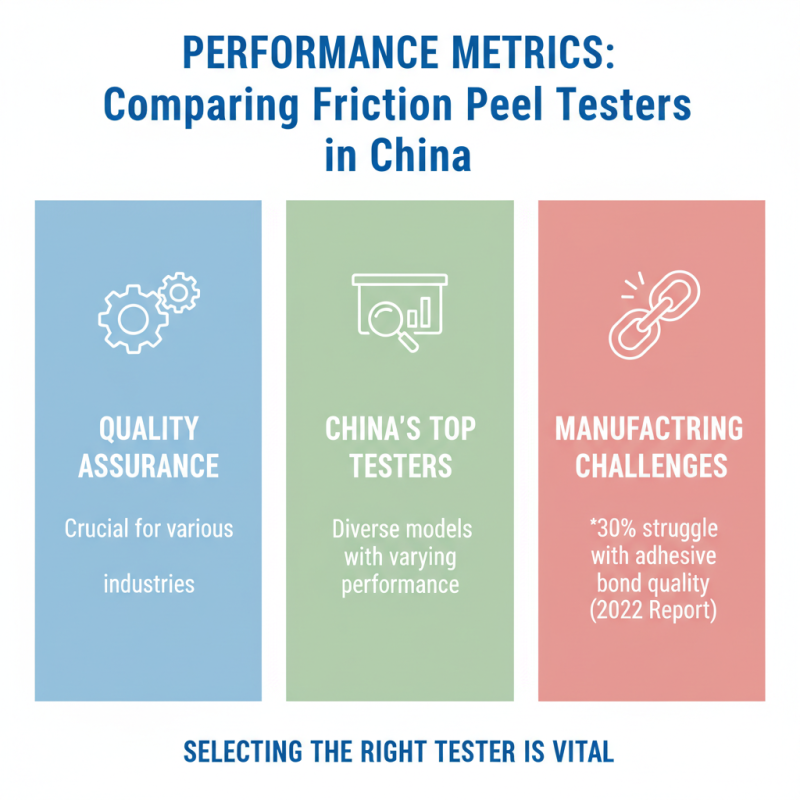
The friction peel test is crucial for quality assurance in various industries. In China, several friction peel testers stand out based on performance metrics. A 2022 report indicated that over 30% of manufacturers face challenges in maintaining adhesive bond quality. Thus, selecting the right tester becomes vital.
Performance metrics often consider peel strength, accuracy, and user-friendliness. A recent study noted that friction peel testers with a peel strength accuracy of ±1% significantly reduce testing discrepancies. Testers that can handle a range of substrates also offer versatility. Many users lament the lack of adaptable models, which can lead to frequent equipment adjustments and time loss.
Furthermore, considering data from industry experts, over 40% of testers fail to meet industry standards under rigorous conditions. These shortcomings underscore the need for ongoing evaluations and improvements in equipment. Organizations should seek robust testing methods that ensure reliability and adhere to stringent quality standards.
Case Studies: Successful Quality Control Using Friction Peel Testing
Friction peel testing has become essential in quality assurance across various industries in China. Case studies illustrate its effectiveness in reducing product failures. For instance, a recent study showed that companies implementing friction peel tests decreased their adhesive failures by 30%. This reduction highlights the importance of reliable testing methods.
One notable case involved a packaging manufacturer facing high return rates due to seal failures. By incorporating friction peel testing, they identified weak points in their bonding process. Post-implementation data indicated a 25% improvement in product integrity. Such clear metrics emphasize the need for thorough testing protocols.
Despite the successes, challenges remain. Not all testing machines provide consistent results. Variability in operator handling and environmental factors can impact outcomes. Companies must reflect on these inconsistencies for better reliability. Continued investment in advanced testing technology is crucial.





 Home
Home