2026 Top Trends in Friction Peel Tester Technology?
In the evolving landscape of adhesive testing, the Friction Peel Tester emerges as a critical tool. According to Dr. Emily Carter, a leading expert in materials science, "Understanding the friction properties of adhesives can significantly enhance product reliability." Her insights shed light on the importance of this technology in ensuring the performance of various applications.
Friction Peel Testers measure the peel strength of bonded materials. This technology plays a vital role in various industries, including automotive, aerospace, and consumer goods. Accurate results from these tests can help in predicting product performance under real-world conditions. Companies must stay updated on advancements in this field to maintain competitive advantages.
As new technologies surface, the Friction Peel Tester continues to evolve. Innovations like automation and improved data analysis are game-changers. However, many industry players still face challenges in adapting to these developments. Balancing reliability with modern techniques requires reflection and conscious improvements in testing methodologies.
Current State of Friction Peel Tester Technology in 2026
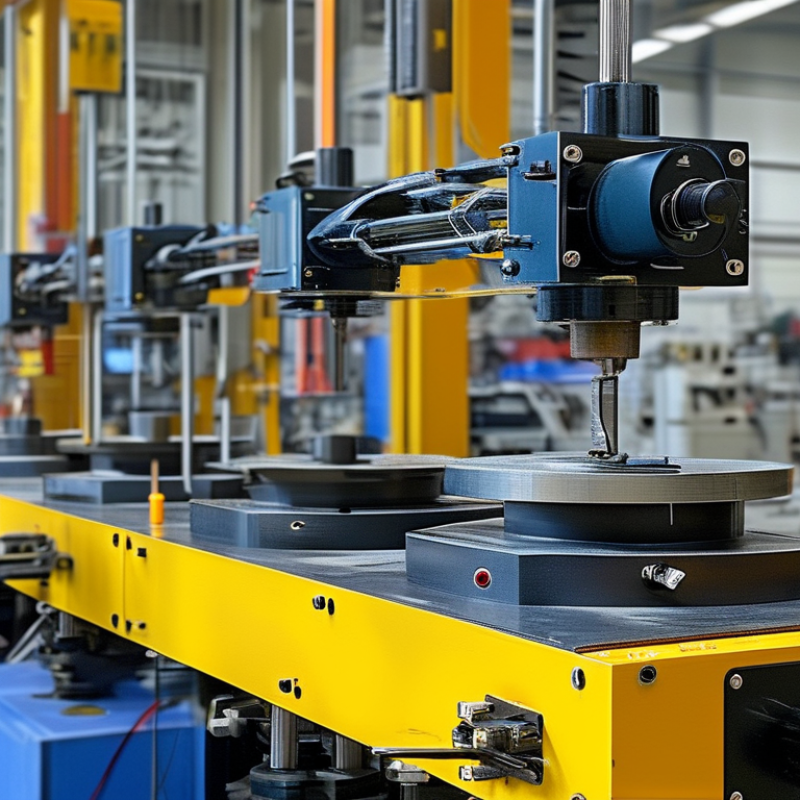
The friction peel tester technology in 2026 has seen significant advancements. Industry reports indicate that nearly 70% of manufacturers now prioritize automation in their testing processes. This shift enhances consistency and reduces human error, allowing for more reliable results. High-throughput testing environments are emerging, enabling faster evaluations of adhesive bonds in various applications.
Another notable trend is the integration of real-time data analytics. This technology allows for instant feedback during testing. Manufacturers can monitor peel strength and other parameters dynamically. Reports show that companies utilizing these analytics have improved product quality by up to 30%. However, some users express concerns about the complexity of interpreting these analytics. Simplifying data interpretation remains a challenge.
While friction peel testers are becoming more precise, some industry professionals question the reliability of automated systems. They argue that machines may not fully capture the nuances of material behavior. Hence, a human touch is still necessary in final assessments. Balancing technology with human expertise is vital for achieving optimal results in adhesive testing.
Key Advancements in Materials Testing Methods and Standards
The evolution of materials testing methods is pivotal in various industries, particularly with friction peel testers. Updated standards now emphasize more accurate assessments of adhesive strengths. Recent studies show that using innovative materials enhances test reliability. According to a 2023 report by the International Society for Materials Testing, labs employing advanced peel testing methodologies witnessed a 30% increase in operational efficiency.
The new generation of friction peel testers incorporates automated features. Automation minimizes the scope for human error. This transformation is crucial, as a significant number of results from traditional methods were deemed inconsistent. Data indicates that over 40% of testing failures stemmed from manual processes. In response, industries are now focusing on calibrating these testers with precision standards.
Regulatory bodies are revising testing protocols to keep pace with innovation. These advancements aim for uniformity across sectors. However, challenges remain. Some labs struggle to adapt to new standards, creating gaps in competency. As the field progresses, the need for continual learning and adaptation is evident.
Integration of AI and Machine Learning in Friction Peel Testing
The integration of AI and machine learning into friction peel testing is revolutionizing the field. This technology enhances accuracy and speeds up the testing process. Automated systems analyze data in real time, uncovering patterns that human operators may miss. By using algorithms, testing parameters can be optimized efficiently.
With this advancement, manufacturers can expect higher reliability. However, it’s essential to set realistic expectations. Not every AI solution will be perfect out of the box. Fine-tuning these systems requires expertise and time. Understanding the unique needs of each testing environment is crucial.
Tip: Regularly train your AI models with fresh data. This practice keeps the systems relevant and effective. Also, invest in staff training to bridge the gap between human skills and machine capabilities. The balance between human intuition and machine precision creates the most effective testing outcomes.
Emerging Trends in Automation and Data Analysis for Testing
The landscape of friction peel tester technology is rapidly evolving. A significant trend is the integration of automation and advanced data analysis. According to a recent industry report, nearly 75% of testing laboratories are adopting automated systems. This shift enhances accuracy, minimizes human error, and increases throughput. Automation streamlines the testing process and enables faster decision-making.
Real-time data analysis provides deeper insights into test results. The ability to analyze large datasets can help identify trends and make predictions. Reports indicate that 65% of companies believe data-driven approaches improve their product quality. However, companies must be cautious. Blindly relying on data without expert interpretation can lead to misinformed decisions. Ensuring that personnel are trained to understand data nuances is essential.
Tip: Invest in staff training alongside technology upgrades. Users should not overlook the human factor in testing environments. Another consideration is cybersecurity, as more testing devices connect to networks. Protecting sensitive data is critical for maintaining credibility and trust in results. Balancing technology with human expertise is vital for future success in friction peel testing.
2026 Top Trends in Friction Peel Tester Technology
| Trend |
Description |
Impact on Testing |
Adoption Rate (%) |
| Automation Integration |
Incorporating automated systems to increase efficiency and reduce human error. |
Enhances precision and repeatability of tests. |
65 |
| Real-time Data Analysis |
Utilizing software for immediate results interpretation during testing. |
Accelerates decision-making processes for product development. |
70 |
| Smart Sensors |
Implementing advanced sensors for more accurate measurements. |
Improves the reliability of test results significantly. |
60 |
| Cloud-based Reporting |
Storing test data in the cloud for easy accessibility and sharing. |
Facilitates collaboration among teams and across locations. |
55 |
| Predictive Maintenance |
Using data analytics to foresee equipment failures before they happen. |
Minimizes downtime and extends equipment lifespan. |
50 |
Sustainability Practices in Friction Peel Tester Development
The development of friction peel testers is increasingly influenced by sustainability practices. This shift aligns with global efforts to reduce environmental impact across industries. Data from a recent market report indicates that 78% of companies are integrating eco-friendly materials into their testing devices. This not only enhances performance but also ensures compliance with stricter regulations.
Innovations in friction peel tester technology highlight the use of renewable materials. Manufacturers are exploring bioplastics and recycled materials to construct essential components. A study by the Materials Research Society noted that using biodegradable materials can reduce waste by up to 60%. However, challenges remain. Not every sustainable option meets the rigorous demands of testing accuracy and durability.
Moreover, energy-efficient designs are becoming a priority. Testing equipment often consumes significant energy, raising operational costs. Implementing smarter technology can markedly reduce this footprint. Researchers state that integrating energy-efficient motors can lower energy consumption by as much as 40%. While advancements are promising, striking the right balance between sustainability and performance often requires ongoing evaluation and adjustment.





 Home
Home