How to Choose the Best Friction Tester Machine for Your Needs?
When selecting the right Friction Tester Machine, several factors come into play. Understanding your specific needs is essential. Different industries require various testing standards. The right machine ensures accurate results for your applications.
Consider the materials you will be testing. Some machines excel with specific surfaces. Knowledge about the machine’s capabilities can save time and money. Think about the features that suit your operations. These might include speed settings and data analysis tools.
Working with a reliable supplier can make all the difference. Their expertise can guide you in making an informed decision. You might encounter choices that seem overwhelming. However, take the time to reflect on your requirements. The perfect Friction Tester Machine is out there, waiting for you.
Factors to Consider When Selecting a Friction Tester Machine
When selecting a friction tester machine, several factors are critical. Accuracy is a primary concern. A study by the Testing and Measurement Association indicates that devices with an accuracy rate of over 90% are essential for reliable testing results. This precision ensures that the outcomes reflect true material performance.
Another critical factor is the machine's versatility. Some models can test various materials and surfaces. This adaptability allows for broader application. In industries where product specifications vary widely, such flexibility can lead to test results that reflect real-world conditions. Reports show that versatile machines save time and cost by accommodating multiple test scenarios efficiently.
User-friendliness is also paramount. A complicated interface may hinder effective use, leading to potential testing errors. Simplicity in design often reflects better usability and training times. According to industry surveys, machines with intuitive controls result in fewer mistakes and improved productivity. While the initial investment may be significant, ensuring compliance with these considerations can provide long-term benefits and enhance operational efficiency.
Types of Friction Tester Machines Available in the Market
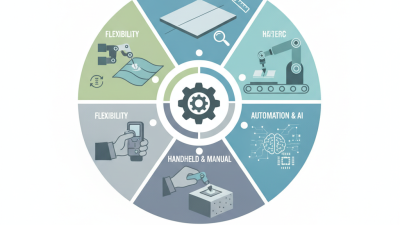
When selecting a friction tester machine, it's crucial to understand the various types available. Common types include portable testers, laboratory testers, and automated systems. Each has its unique applications and benefits. Portable testers are ideal for field use. They offer convenience and quick measurements for on-site evaluations. Laboratory testers, on the other hand, provide accuracy and in-depth analysis for materials and surfaces.
Automated systems represent the latest innovation in friction testing. They streamline the process and often come equipped with advanced features. However, they usually require higher initial investment and specialized training. You must weigh the cost against the expected benefits. Not all facilities may have the budget for automated machines.
While considering which friction tester to choose, reflect on your specific testing needs. Understand the type of materials you will work with. Assess the environment where tests will occur. Some machines might be more suitable for certain conditions than others. Your choice should not just focus on present needs but also future expansions. The right machine enhances efficiency and provides reliable data for your projects.
Key Features to Look for in a Friction Tester
When choosing a friction tester, consider several key features. The precision of measurements is crucial. Look for machines with a high level of accuracy. This ensures that your data reflects real-world conditions. Consistency in results is equally important. Devices that provide repeatable measurements can help you trust your findings.
Another essential aspect is the versatility of the tester. Some machines allow for various materials. This flexibility can be beneficial for different applications. Additionally, ease of use is vital. A user-friendly interface makes operation smoother. This is particularly helpful in training new staff, minimizing the learning curve.
Pay attention to calibration options as well. Regular calibration is needed for accurate results. Machines that offer straightforward calibration procedures can save time and effort. Finally, consider the support and resources available. Having access to a knowledgeable support team can make a significant difference. It ensures that you can resolve issues quickly when they arise. Each of these characteristics plays a role in finding the right friction tester for your needs.
How to Choose the Best Friction Tester Machine for Your Needs? - Key Features to Look for in a Friction Tester
| Feature |
Description |
Importance |
| Testing Method |
Choose between static, dynamic, or both testing methods. |
Essential for accurate measurement based on material types. |
| Load Application |
Ability to apply varying load weights during tests. |
Critical for simulating real-world conditions. |
| Data Analysis |
Software for data processing and interpretation. |
Important for detailed reporting and trend analysis. |
| Precision |
Level of accuracy in measuring friction coefficients. |
Vital for ensuring reliable results and product quality. |
| Ease of Use |
User-friendly interface and setup procedures. |
Enhances productivity and minimizes training time. |
| Portability |
Weight and size considerations for transportability. |
Useful for on-site testing operations. |
Understanding Calibration and Accuracy in Friction Testing
Calibration and accuracy are crucial aspects of friction testing machines. It's essential to ensure the equipment measures friction forces correctly. Regular calibration guarantees reliable results. Understanding the calibration process helps users maintain accuracy over time.
Tips: Always consult the user manual for specific calibration procedures. If you're unsure, consider professional calibration services.
Factors such as environmental conditions and machine wear can affect results. A machine that isn't regularly calibrated may provide misleading measurements. This can lead to poor decision-making in product development and quality assurance.
Tips: Keep a log of calibration dates and performance. Regularly inspect your machine for signs of wear. Evaluate how environmental factors could impact your testing process.
Budget Considerations and Long-Term Value of Friction Testers
When selecting a friction tester machine, budget considerations are crucial. High-quality machines often come with a higher price tag. However, investing in a reliable tester can yield significant long-term benefits. According to industry research, a well-chosen friction tester can reduce error rates by up to 15%. This improvement translates not only into product quality but also into customer satisfaction.
Consider long-term value when analyzing costs. Some low-priced models may require frequent maintenance, driving up overall expenses. Research indicates that the total cost of ownership (TCO) for friction testers can vary significantly, with some models costing 30% more over five years due to maintenance and calibration needs. This reflects the importance of choosing a durable machine.
Tips: Assess whether the machine fits your budget while considering maintenance costs. Evaluate warranty options and after-sales support. Diving deeper into user reviews can reveal insights about longevity and reliability. Investing time in research today can save resources and headaches down the road. Your choice should support not just current needs but future demands.





 Home
Home