Home
Choosing the best Textile Inspection Equipment in 2026 means matching a machine to the fabric, production speed, and defects buyers need to detect. A system that works well for woven cotton may not suit delicate knits or reflective synthetic materials. Details matter.
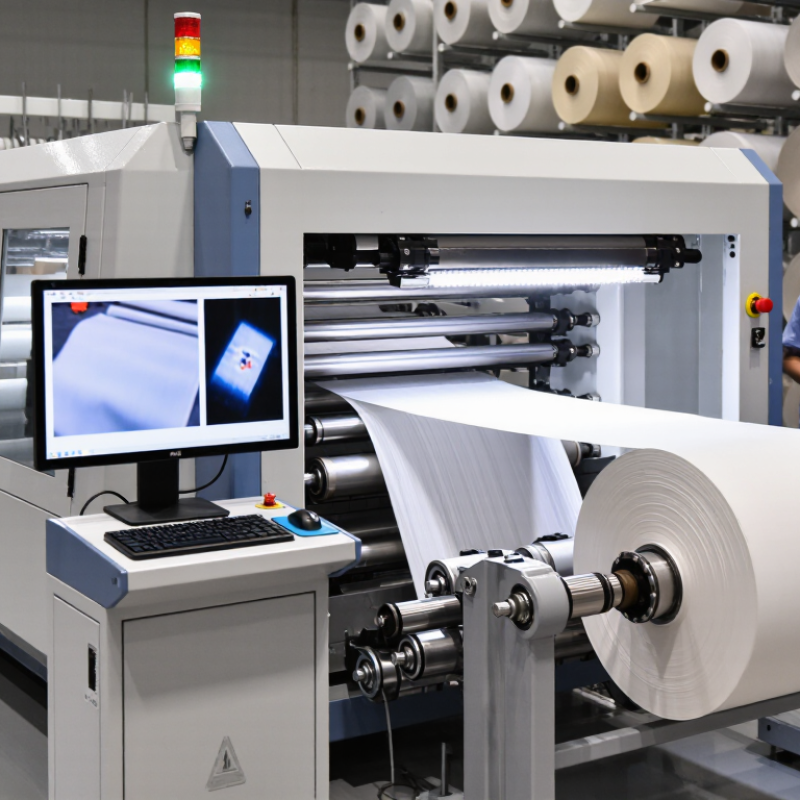
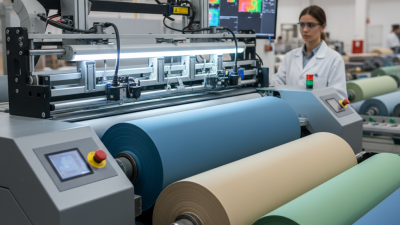
On a factory floor, operators may watch fabric pass beneath adjustable lighting while a camera flags slubs, holes, stains, or uneven edges. Clear displays and simple controls can help teams review defects without slowing every roll. Yet detection is only part of the decision. Buyers should also examine inspection width, line speed, reporting tools, maintenance needs, and how easily the equipment fits existing workflows.
That sounds simple. It isn’t always. Supplier demonstrations can look smooth, but real fabric varies in color, texture, and finish. Ask vendors to test representative samples, including materials with subtle flaws. Request practical evidence of detection performance, not only polished brochures. Confirm what training, calibration support, spare parts, and service response are available.
No setup catches everything. Even experienced teams must decide which defects matter most and how consistently to grade them. A faster machine may create trade-offs if operators struggle to review alerts or if setup changes take too long. The most useful comparison weighs measurable performance against daily usability. This guide explores leading equipment types, key buyer questions, and evaluation criteria for 2026, helping purchasing teams make a careful choice without assuming one machine suits every mill.
Textile inspection equipment turns a moving roll into measurable information. Depending on the setup, it can track fabric width, roll length, line speed, and surface flaws. Cameras may flag holes, stains, broken yarns, or uneven dye patches under controlled lighting. A width sensor can reveal a narrow edge before the fabric reaches the cutter. Small shifts matter. Tension and fabric stretch can change readings, especially with knits or lightweight material.
These measurements support practical decisions, not just inspection reports. Reliable length data helps match orders to usable yardage, while defect maps let operators avoid placing flaws in visible garment panels. Width variation can affect marker layouts and increase offcuts.
Buyers should compare measurement range, repeatability, inspection speed, and how results are stored. Ask for a trial using your own fabric; a smooth sample may hide problems found in textured or dark cloth. Calibration and operator setup matter too.
Setup matters. Equipment cannot judge every defect perfectly, and borderline marks may still need human review. That limitation is easy to overlook.
Best Textile Inspection Equipment in 2026 for Buyers
Main Types of Textile Inspection Machines Available in 2026
Fabric inspection machines unwind cloth across a lit viewing table. Operators check holes, stains, slubs, and shade changes before cutting or packing. Good lighting matters. Manual systems suit smaller runs, but results depend on attention and consistent grading. A stopped roll can reveal defects that pass unnoticed at speed.
Automated vision inspection systems use cameras and image software to flag surface faults. They can record defect locations and support repeatable checks across long rolls. Still, automation is not magic. Creases, patterned prints, and changing fabric tension may confuse a camera, so buyers should test with their own materials. Rewinding inspection machines combine checking with roll measurement and tension control; they are useful when fabric must be inspected and repacked in one workflow.
Inspection needs are growing with production volumes. Textile Exchange’s Materials Market Report 2024 estimates global fiber production reached 124 million tonnes in 2023. Its business-as-usual projection approaches 160 million tonnes by 2030. That forecast is not a guarantee, but it highlights the value of catching faults early. Buyers may also consider laboratory instruments, such as colorfastness and tensile testers, for performance checks beyond visual appearance. Ask for documented test methods, calibration records, and sample-run results. A neat demo is not enough.
| Best Textile Inspection Equipment in 2026 for Buyers - Main Types of Textile Inspection Machines Available in 2026 | |||||
|---|---|---|---|---|---|
| Machine Type | Typical Materials | Inspection Method | Common Checks | Best Suited For | Key Buying Considerations |
| Manual Fabric Inspection and Rewinding Machine | Woven and knitted fabrics supplied in rolls | An operator views the fabric as it moves over an illuminated inspection surface and records or marks visible faults. The machine can unwind and rewind the roll. | Visible holes, stains, slubs, broken yarns, mispicks, barre, and other surface irregularities | Small and medium production runs, incoming-fabric checks, and facilities that need a flexible, operator-led inspection process | Check viewing-area lighting, adjustable fabric speed, tension control, roll-handling capacity, and whether defect marking or length measurement is included. |
| Woven Fabric Inspection Machine | Greige, dyed, printed, and finished woven fabrics | Fabric is spread or guided across a viewing area, where an operator inspects the fabric structure and surface while it advances. | Broken or missing ends and picks, slubs, holes, stains, reed marks, and print or finish irregularities | Weaving mills, dyeing and finishing plants, and fabric converters processing woven rolls | Confirm that the machine accommodates the fabric width, roll diameter, fabric weight, and required inspection direction. Some configurations include a grading or defect-recording workflow. |
| Open-Width Knitted Fabric Inspection Machine | Open-width knitted fabrics, including single-jersey and other flat-laid constructions | The fabric travels in a flat, open form through a viewing and transport section. Feed and take-up arrangements are designed to limit distortion. | Holes, dropped stitches, runs, needle lines, barré, stains, and uneven surface appearance | Knitwear producers and finishers who inspect fabric in open-width form before cutting or further processing | Check fabric spreading and edge guidance, low-tension handling, width range, and compatibility with the fabric’s stretch and weight. |
| Tubular Knitted Fabric Inspection Machine | Knitted fabric produced and handled in tubular form | The tube is opened or spread over a suitable inspection frame or roller arrangement so the operator can examine its surface during passage. | Holes, runs, dropped stitches, needle lines, stains, and visible variations around the tube | Knitting operations that keep fabric in tubular form and need to inspect it without first converting it to open width | Verify the supported tube diameter and fabric range, spreading method, tension control, and whether inspection requires the fabric to be slit or opened. |
| Automated Optical Fabric Inspection System | Woven or knitted fabrics, depending on the system configuration | Cameras capture moving fabric images; image-processing software identifies candidate defects and may log their locations for operator review. | Detectable surface defects such as holes, stains, broken yarns, and pattern or appearance anomalies, subject to system setup and fabric characteristics | High-throughput production lines and facilities seeking repeatable, digital defect records | Evaluate detection performance on representative fabrics and defects. Results depend on camera resolution, lighting, fabric speed, pattern complexity, and software settings; human review may still be needed. |
| Wide-Width and Technical Textile Inspection Machine | Wide fabrics, coated textiles, nonwovens, and other technical materials, depending on the machine design | A wide inspection table or roller system supports the material across its width; inspection may be visual or combined with configured measurement and sensing equipment. | Surface damage, coating gaps, contamination, width-related irregularities, and other material-specific defects | Producers of wide or specialized materials that cannot be handled efficiently on standard apparel-fabric equipment | Confirm usable width, allowable roll weight and diameter, material support, surface-contact requirements, and the inspection criteria needed for the specific product. |
For buyers comparing textile inspection equipment in 2026, practical features matter more than a long specification sheet. A wide viewing area helps operators inspect fabric without repeatedly repositioning rolls. Consistent tension control reduces wrinkles that can hide flaws. Adjustable lighting is valuable too: a small change in angle can reveal a pulled thread or faint shade variation. Small details matter.
Camera resolution and inspection speed should suit the fabric, not just the sales demonstration. Fine knits and printed patterns may need different settings from plain woven cloth. Useful systems let operators record defect type, location, and roll length, then export clear reports for production teams. Controls should be easy to reach during a long shift. No system is perfect. A machine can miss defects when setup, lighting, or fabric alignment is poor.
Tips: Test the equipment with your own fabric, including its fastest production speed. Ask operators to inspect a sample roll and review the saved defect map. Check how calibration, maintenance, and training are handled; these details affect everyday reliability. A trial may reveal awkward controls or false alerts, and that is worth noticing before purchase.
Choosing textile inspection equipment starts with the fabric, not the feature list. The Textile Exchange Materials Market Report 2024 estimates global fiber production reached 124 million tonnes in 2023; polyester represented 57%, while cotton accounted for 20%. That range matters. A lightweight knit can stretch under tension, while dense woven cloth may hide slubs or broken picks. Match the inspection surface, web tension, and lighting to the fabric’s structure. For dark or glossy materials, test angled illumination; flat lighting can miss subtle shade changes.
Production needs matter just as much. Check working width and line speed against actual peak output, then confirm that operators can review defects without stopping the roll. Camera resolution should suit the smallest defect that affects your customers, not simply the highest available setting. A neat specification sheet can mislead. Run sample rolls across different colors, finishes, and fabric weights before purchase, and record both missed defects and false alarms. That takes time. It may also expose a gap between laboratory performance and factory conditions. Integration with existing production records can help teams trace recurring faults, but only if defect labels are consistent. Make the trial reflect a real shift, including quick changeovers and imperfect lighting.
A purchase price tells only part of the story. Compare the total cost of ownership, including installation, operator training, software fees, replacement lamps, and routine servicing. Ask suppliers to itemize these costs over several years. A low-cost machine may become expensive if a small sensor fault stops inspection for days. That happens.
Calibration deserves a practical test, not just a certificate. Ask how often the system needs calibration, who can perform it, and what records are supplied. Bring fabric rolls with known defects, such as a faint streak or a small hole, and test them at your normal line speed. Check results under the lighting conditions used on the production floor. A perfect demonstration on a slow, clean sample proves little. I would not treat one successful trial as a guarantee; fabric variation can make results uneven.
Support matters when production is waiting. Confirm response times, local technician availability, spare-part delivery estimates, and remote troubleshooting options. Ask whether staff can adjust thresholds without calling an engineer. Get the warranty exclusions in writing, especially for wear parts and accidental damage. Then speak with a current user about service delays and training quality. Their experience may differ from the sales presentation, and that difference is worth noting.