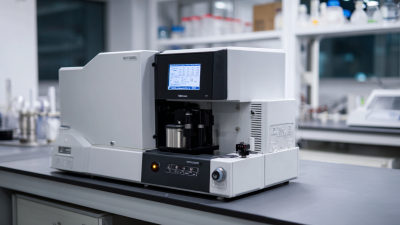
How to Choose the Best Water Vapor Transmission Tester?
Choosing the right Water Vapor Transmission Tester is crucial for industries such as packaging, textiles, and pharmaceuticals. According to a recent report by the Global Packaging Association, over 70% of products require precise moisture control to maintain quality. A reliable tester ensures accuracy in measuring vapor transmission rates, which can significantly impact shelf life and product performance.
Dr. Emily Wang, a leading expert in material science, emphasizes this: "A precise Water Vapor Transmission Tester can be the difference between product success and failure." In a market where consumer expectations are high, having the right equipment is essential. Testing methods vary, and understanding the specifications of different testers is vital for making informed decisions.
While many testers exist, not all offer the same reliability. Some may not perform well under different environmental conditions. Industry professionals often note that investing in a high-quality Water Vapor Transmission Tester can yield long-term benefits. However, it is essential to choose one that meets specific testing needs, rather than opting for the most expensive model on the market.
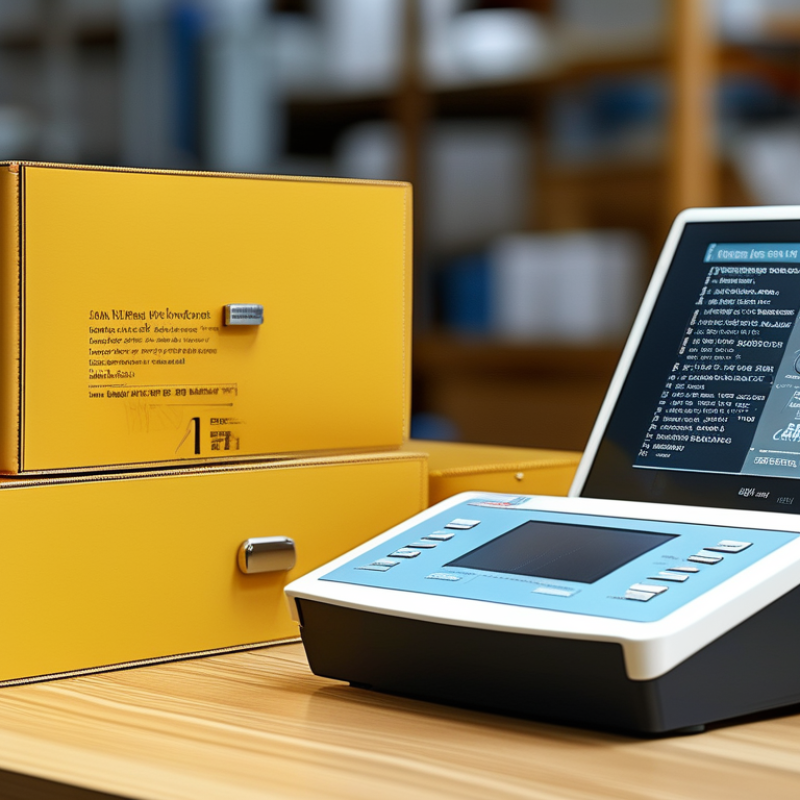
Understanding Water Vapor Transmission and Its Importance
Water vapor transmission (WVT) is a critical factor in various industries, especially in packaging, textiles, and construction. Understanding WVT is essential for assessing material performance. Materials with high WVT can prevent moisture-related damage. According to a report by the International Society of Packaging Engineers, 15% of consumer products are affected by moisture intrusion. This statistic highlights the need for rigorous testing.
Materials like plastics, films, and coatings exhibit different WVT rates. The American Society for Testing and Materials (ASTM) notes that permeation rates can vary widely. Some films may allow over 200 g/m²/day, while others could be significantly lower. Testing methods like the desiccant method or water method can yield varying results. This variability can impact product integrity and shelf life.
Testing ensures quality control but poses challenges. Variable environmental conditions can affect results. For instance, temperature and humidity during testing can skew data. Many testers fail to account for these factors. Experts recommend thorough calibration of testing devices to enhance reliability. This approach improves accuracy and helps capture real-world performance.
Key Features to Look for in a Water Vapor Transmission Tester
When selecting a water vapor transmission tester, certain features stand out. A reliable tester should provide accurate measurements of moisture permeability. Look for devices that use advanced sensors to enhance accuracy. Consistency in results is crucial. Devices should demonstrate stability over time when subjected to similar conditions.
Another important feature is ease of use. Testers should come with user-friendly interfaces. This makes the process simpler and reduces user errors. Calibration options are essential. They help maintain accuracy. A tester that allows for easy recalibration ensures long-term reliability.
Consider the testing environment as well. Some testers perform better under specific conditions. High humidity or temperature fluctuations can affect readings. A device that can adapt to various environments is worth considering. Finally, look for durability. Testers should withstand regular use without degrading performance. They should be robust, yet portable, allowing for various testing scenarios. Balancing these features will lead to a better testing experience.
Types of Water Vapor Transmission Testers Available in the Market
When selecting a water vapor transmission tester, it’s essential to understand the types available. Each type is designed for specific applications, impacting accuracy and usability. These testers generally fall into two main categories: cup-based and infrared-based.
Cup-based testers use a simple method where a sample is sealed in a cup. They measure the weight loss over time due to vapor transmission. This approach is direct but may not account for all variables, leading to potential inaccuracies. Users often find these models affordable and straightforward. However, the user must ensure proper sealing to avoid misleading results.
Infrared-based testers, on the other hand, utilize advanced technology. They measure changes in infrared light absorption, which directly correlates to vapor transmission rates. Such instruments can offer higher precision but might require more technical expertise. They also tend to be pricier. Some users struggle with calibration, which can affect reliability. Both types require careful consideration to ensure they meet specific testing requirements.
Factors Influencing the Selection of a Water Vapor Tester
When selecting a water vapor transmission tester, several key factors come into play. The specific application should dictate the choice. For instance, the intended material and its usage will influence the required measurement range and accuracy. It’s crucial to define the testing environment clearly. Temperature and humidity levels can significantly affect results.
Another aspect is the available testing methods. Different techniques offer various advantages. For example, some methods are faster but may compromise accuracy. Conversely, highly accurate methods often require more complex setups. Knowing the balance between convenience and precision is vital for making an informed decision.
Consider the tester's calibration and maintenance needs. Look for models that provide easy access for recalibration. This practice ensures long-term reliability and accurate readings. It's essential to have a clear understanding of the features available. Familiarity with operational limits can help avoid pitfalls in testing. Balancing these factors can lead to better outcomes in material performance evaluation.
Best Practices for Using a Water Vapor Transmission Tester
When using a water vapor transmission tester, understanding best practices can significantly enhance reliability. Start by ensuring that your samples are pre-conditioned. This step minimizes atmospheric interferences and ensures a consistent testing environment.
Consider the temperature and humidity levels.
They can impact the results. Maintain a stable environment throughout the test.
Tips: Regularly calibrate your device. Even small deviations can lead to inaccurate readings. Always check for leaks in your setup. A single leak can compromise the integrity of the entire test.
Document every step carefully. This habit helps track patterns and identify areas needing improvement.
Another essential practice is to familiarize yourself with the testing methods. Each method has different procedures and setups. Understanding them can lead to more precise measurements. Be prepared to troubleshoot issues. Sometimes, unexpected results can stem from sample preparation. The process can be challenging but vital for achieving reliable data.
Focus on continuous learning. This will help refine your testing techniques over time.





 Home
Home