Top 10 Temperature And Humidity Test Chambers for Global Buyers?
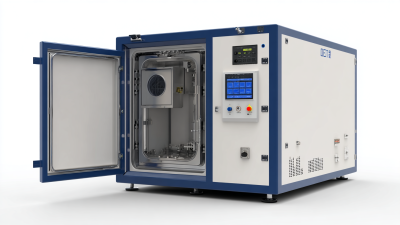
Temperature and Humidity Test Chambers are essential for various industries. These chambers simulate environmental conditions to assess product reliability. According to a report by MarketsandMarkets, the temperature and humidity test chamber market is projected to reach $1.23 billion by 2025, growing at a CAGR of 5.6%. This growth is driven by increasing quality standards in manufacturing and the aerospace sector.
Modern chambers offer precise control over temperature and humidity levels. They help evaluate the durability of materials and electronics under different conditions. For instance, testing might involve exposing products to extreme heat or significant moisture levels. However, not all chambers deliver uniform performance. Buyers need to carefully assess chamber specifications.
Choosing the right Temperature and Humidity Test Chamber can be challenging. There are many factors to consider, from chamber construction to control features. Potential users often feel overwhelmed by the options. Ensuring compliance with industry standards adds another layer of complexity. Reliable data and expert recommendations can guide buyers in making informed choices.
Top 10 Essential Features of Temperature and Humidity Test Chambers
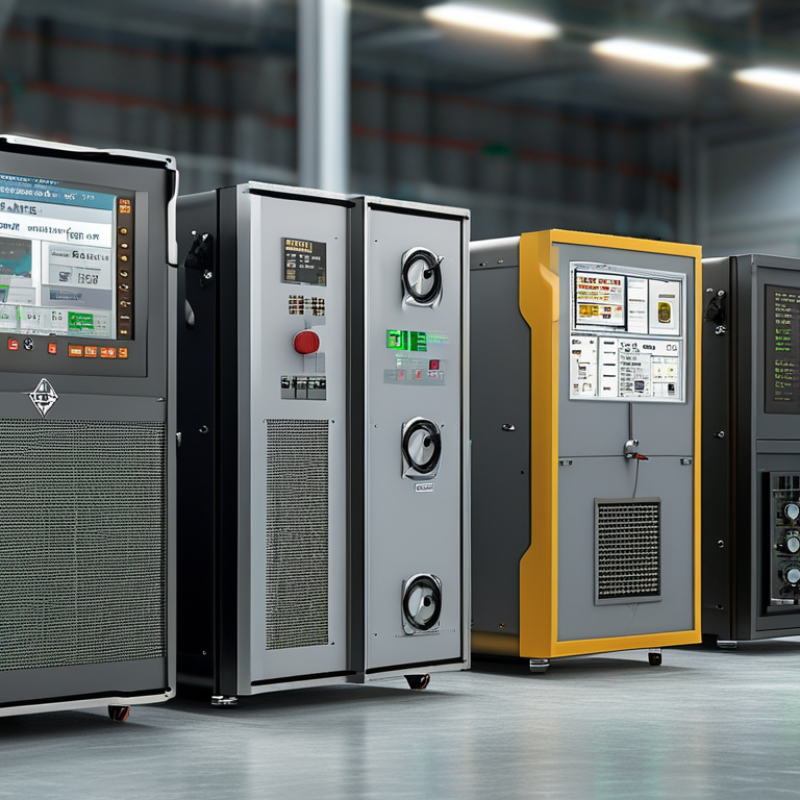
When selecting a temperature and humidity test chamber, several essential features should be considered. First, precise temperature control is crucial. A range between -40°C and 100°C is ideal. It allows tests in various conditions, ensuring versatility for different products. Humidity control is equally important. A chamber should manage humidity levels from 10% to 95%. This flexibility caters to a wide array of testing standards.
Next, the chamber's size should accommodate the items being tested. A larger chamber might be necessary for bulk testing, while smaller ones suit compact products. Additionally, the build quality of the chamber matters. Materials that withstand extreme conditions provide reliability. Maintaining a stable climate is essential for accurate results.
Integration with data logging systems enhances functionality. This feature allows users to monitor conditions effectively. Safety features, such as alarms for overheating or humidity deviations, provide peace of mind. Despite advancements, not all chambers meet these needs perfectly. Some may struggle with consistency in extreme environments. Testing countries and specific requirements add complexity, highlighting the need for careful evaluation before purchase.
Comparative Analysis of Leading Temperature and Humidity Test Chamber Brands
When selecting temperature and humidity test chambers, it’s crucial to consider various brands and their unique features. Each brand offers different specifications, catering to diverse testing needs. Users should evaluate factors like chamber size, range of temperatures, and humidity control. Accuracy in environmental simulation is essential for reliable testing results.
Many leading brands provide intuitive controls and data logging options. However, some chambers may lack ease of use. This can affect efficiency during testing. Additionally, energy consumption is an important aspect. A more energy-efficient model could save costs in the long run.
Price varies significantly among brands. Budget constraints may influence choices, but investing in quality can enhance research outcomes. Not all high-priced products guarantee superior performance. Often, a mid-range model can meet essential requirements effectively. Comparing features critically can lead to more informed decisions.
Top 10 Temperature And Humidity Test Chambers for Global Buyers
| Model |
Temperature Range (°C) |
Humidity Range (%) |
Volume (Liters) |
Price Range (USD) |
Features |
| Model A |
-40 to 150 |
10 to 98 |
100 |
$5,000 - $7,000 |
Programmable, touchscreen interface |
| Model B |
-70 to 180 |
5 to 95 |
200 |
$7,000 - $9,500 |
Data logging, advanced control |
| Model C |
-20 to 120 |
20 to 80 |
150 |
$4,500 - $6,200 |
Rapid temperature recovery |
| Model D |
-10 to 100 |
30 to 90 |
300 |
$6,000 - $8,500 |
Enhanced insulation, quiet operation |
| Model E |
-40 to 140 |
10 to 99 |
250 |
$5,500 - $7,500 |
Smart connectivity, energy efficient |
| Model F |
-60 to 160 |
15 to 95 |
100 |
$8,500 - $10,000 |
Dual compressors, high precision |
| Model G |
-50 to 150 |
20 to 100 |
500 |
$10,000 - $12,500 |
Customizable, real-time monitoring |
| Model H |
-30 to 130 |
10 to 85 |
120 |
$4,800 - $6,800 |
User-friendly interface, compact design |
| Model I |
-20 to 140 |
15 to 90 |
250 |
$5,200 - $7,200 |
High efficiency, low maintenance |
| Model J |
-60 to 180 |
20 to 95 |
300 |
$9,000 - $11,500 |
Multi-zone control, high stability |
Key Considerations for Selecting the Best Test Chamber for Your Needs
When selecting a temperature and humidity test chamber, several factors are crucial. Understanding your specific testing requirements is vital.
Consider the range of temperatures and humidity levels you need. Some chambers offer vast ranges, while others may be more specialized. Your choice should align with your unique testing parameters.
Pay attention to the chamber's size and capacity. A larger chamber allows for big samples, but it may consume more energy. Efficiency matters, especially if you're running continuous tests. Additionally, investigate the controls and ease of use. Some models come equipped with advanced digital interfaces, while others may require manual adjustments.
Reflect on which features will best suit your operational workflow.
Lastly, reliability cannot be overlooked. You want a test chamber that delivers consistent results. Read reviews and consult experiences from other users. This can provide insight into the performance and durability of the equipment. Balancing your needs with reliability is essential in making the right decision. Remember that the ideal chamber enhances your productivity and testing accuracy.
Applications and Use Cases for Temperature and Humidity Test Chambers
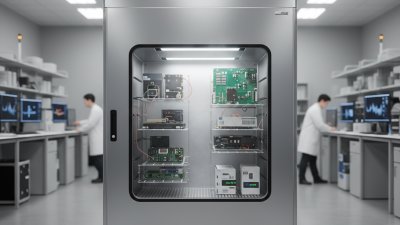
Temperature and humidity test chambers play a crucial role in various industries. They simulate different environmental conditions, allowing manufacturers to test product durability, materials, and electronics under extremes. These chambers are vital for sectors such as pharmaceuticals, aerospace, and automotive. According to a recent industry report, over 35% of product failures can be attributed to inadequate environmental testing.
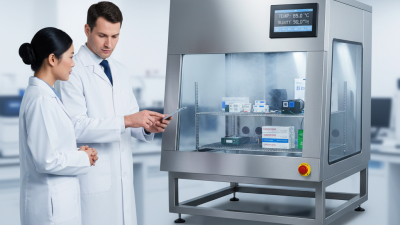
In the pharmaceutical industry, stability testing is paramount. Drug manufacturers use these chambers to determine how products respond to temperature fluctuations and humidity levels. A study revealed that proper testing can extend product shelf life by up to 30%. Additionally, in the aerospace sector, test chambers help ensure that components can withstand the harsh conditions of flight.
Tips: Always calibrate your test chambers regularly. This ensures accuracy and reliability in your results. It's crucial to select a chamber that meets your specific testing needs. Consider factors like size, temperature range, and humidity control. Many industries overlook the importance of routine maintenance; however, neglecting this can lead to significant downtime and unanticipated costs.
Tips for Maintaining and Calibrating Temperature and Humidity Test Chambers
Maintaining and calibrating temperature and humidity test chambers is crucial. Regular checks enhance performance. It ensures accurate testing results, which is vital for research and product development.
Calibration involves verifying instruments against known standards. This process can be complex and requires a precise approach. Consider verifying temperature sensors monthly. Humidity sensors often need less frequent checks, perhaps every few months. Don't neglect the importance of documenting these calibrations for traceability.
Also, cleanliness matters. Dust and residue can affect readings. A routine cleaning schedule can prevent issues, ensuring optimal operation. Inspect seals and gaskets regularly. If these components wear out, they can compromise chamber integrity. Addressing minor issues before they escalate is wise. It saves time and costs in the long run. Missteps in maintenance can lead to inaccurate data and compromised results. Regular maintenance practices are an investment in accuracy and reliability.





 Home
Home