Top Features of Temperature and Humidity Test Chambers?
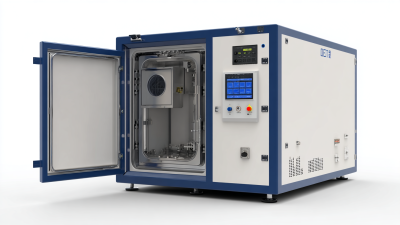
Temperature and Humidity Test Chambers are essential tools in various industries. They ensure that products can withstand different environmental conditions. Recent data from the Environmental Testing Association indicates that over 70% of manufacturers rely on these chambers for quality assurance.
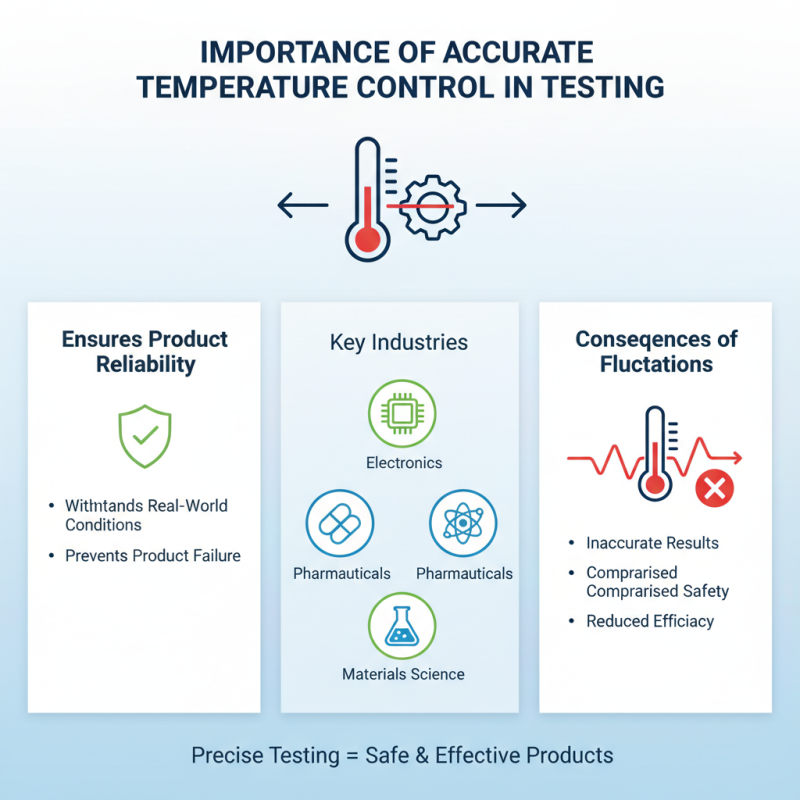
Dr. Emily Chang, a noted expert in environmental testing, states, "The effectiveness of Temperature and Humidity Test Chambers is crucial for product reliability." This highlights the importance of these chambers in reducing product failures. They simulate real-world conditions, which is vital for sectors like electronics and pharmaceuticals.
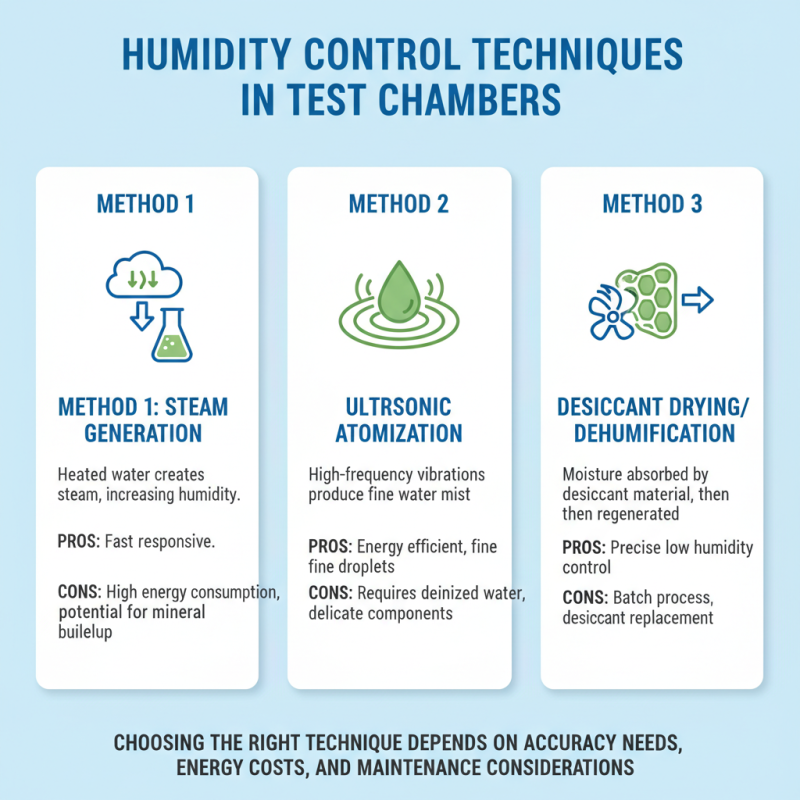
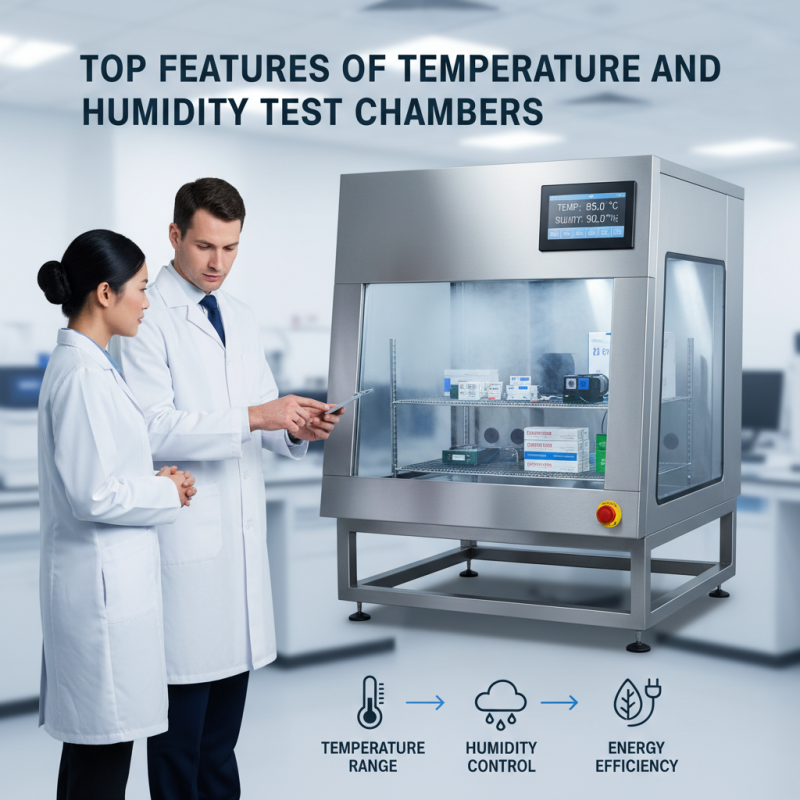
However, not all chambers are created equal. Some may lack precision in maintaining set conditions, leading to unreliable results. Understanding the top features needed in these chambers can help companies choose the right solution. Key factors include temperature range, humidity control, and energy efficiency. Engaging with industry experts can reveal insights that go beyond basic specifications.
Key Functions of Temperature and Humidity Test Chambers
Temperature and humidity test chambers play a crucial role in various industries, including pharmaceuticals, electronics, and materials science. These chambers simulate environmental conditions, allowing for comprehensive testing of product durability and reliability. According to a recent industry report, approximately 70% of companies utilize temperature and humidity testing to ensure product performance under extreme conditions. This highlights the importance of these chambers in quality assurance processes.
One key function of these test chambers is their ability to create and maintain precise temperature and humidity levels. This is essential for reliable testing. For instance, when testing electronic components, fluctuations can lead to erroneous results. Studies show that even a 5% deviation in humidity can significantly impact material integrity over time. Another function is the capability to perform accelerated aging tests. This helps predict how a product will age in real-world conditions, offering insights into its lifespan and performance.
Despite their advantages, there are challenges that users must consider. Proper calibration of the chambers is vital, as incorrect settings can lead to misleading outcomes. Moreover, monitoring systems can sometimes fail, resulting in unobserved deviations. A report indicates that about 15% of test failures are attributed to equipment malfunction. Addressing these issues is essential for achieving reliable results in environmental testing.
Top Features of Temperature and Humidity Test Chambers
| Feature |
Description |
Benefits |
| Temperature Control |
Precise regulation of temperature within specified ranges. |
Ensures consistent testing conditions for reliable results. |
| Humidity Control |
Maintains desired humidity levels to simulate environmental conditions. |
Facilitates accurate testing of products under diverse humidity scenarios. |
| Data Logging |
Automatic recording of temperature and humidity data over time. |
Provides valuable insights and compliance documentation. |
| Rapid Rate of Change |
Fast transition between set points for temperature and humidity. |
Reduces testing times and increases efficiency. |
| User-Friendly Interface |
Intuitive controls and display for easy operation. |
Minimizes the learning curve and enhances user experience. |
Common Applications of Temperature and Humidity Chambers
Temperature and humidity chambers are essential in various fields. They provide controlled environments for testing materials and products. This technology finds significant application in industries like electronics, automotive, pharmaceuticals, and biotechnology. Each sector benefits from precise environmental simulation.
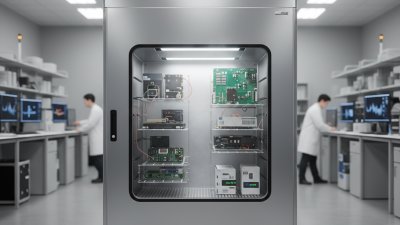
In the electronics industry, temperature and humidity chambers are crucial for testing device durability. For example, they help evaluate how electronics react to extreme conditions. In pharmaceuticals, these chambers test the stability of drugs. This ensures that the products remain effective under varying climates. Many researchers rely on this technology to enhance product development.
However, not all tests guarantee success. Some experiments may still yield unexpected results. Mistakes in setting parameters can lead to inaccurate data. These missteps highlight the need for careful planning and execution. Continuous refinement of testing processes is essential for gaining reliable outcomes. Engaging experienced professionals in chamber operation can mitigate these risks. Exploring new applications for these chambers can also lead to significant advancements.
Safety Features and Maintenance Considerations in Chambers
Temperature and humidity test chambers are fundamental in various industries, including pharmaceuticals and electronics. Safety features are crucial in these environments. According to a report by the International Society for Pharmaceutical Engineering, around 80% of equipment failures stem from inadequate maintenance. Regular checks and service are essential to avoid accidents.
One key safety feature is the alarm system. These alarms notify operators of any critical changes. For instance, if temperature or humidity levels fluctuate beyond set limits, alerts trigger immediately. This can prevent costly damage or data loss. Moreover, proper training for operators enhances the effectiveness of these safety systems. Many facilities overlook this aspect, which can lead to mishaps.
Maintenance considerations cannot be ignored. Regular calibration of sensors is vital for accurate readings. Research indicates that sensors can drift over time, impacting data reliability. It’s essential to develop a routine schedule for maintenance and calibration. Neglecting these tasks can compromise product integrity. In the long run, addressing these concerns helps maintain quality and safety standards in test chambers.
Top Features of Temperature and Humidity Test Chambers
The chart above displays the importance ratings of various features of temperature and humidity test chambers. The parameters assessed include temperature control, humidity control, safety features, energy efficiency, and maintenance requirements, with scores ranging from 1 to 10 based on their significance in operational contexts.





 Home
Home