2026 Top Laboratory Geosynthetic Testing Insights for Buyers
Laboratory Geosynthetic Testing is crucial for buyers in the construction and engineering industries. Understanding the intricacies of this testing can significantly impact project outcomes. In 2026, the market is expected to evolve, presenting new challenges and opportunities.
Geosynthetics play an essential role in infrastructure. They enhance stability and durability while reducing environmental impact. Buyers must prioritize reliable testing methods to ensure product quality. The dynamic nature of materials requires ongoing education and adaptation.
Yet, achieving optimal results in Laboratory Geosynthetic Testing can be complex. Buyers should reflect on current testing practices. Are they utilizing the latest technologies? What gaps exist in their understanding? Addressing these questions will drive better decision-making and ultimately improve project success.
Key Characteristics of Laboratory Geosynthetic Testing Methods
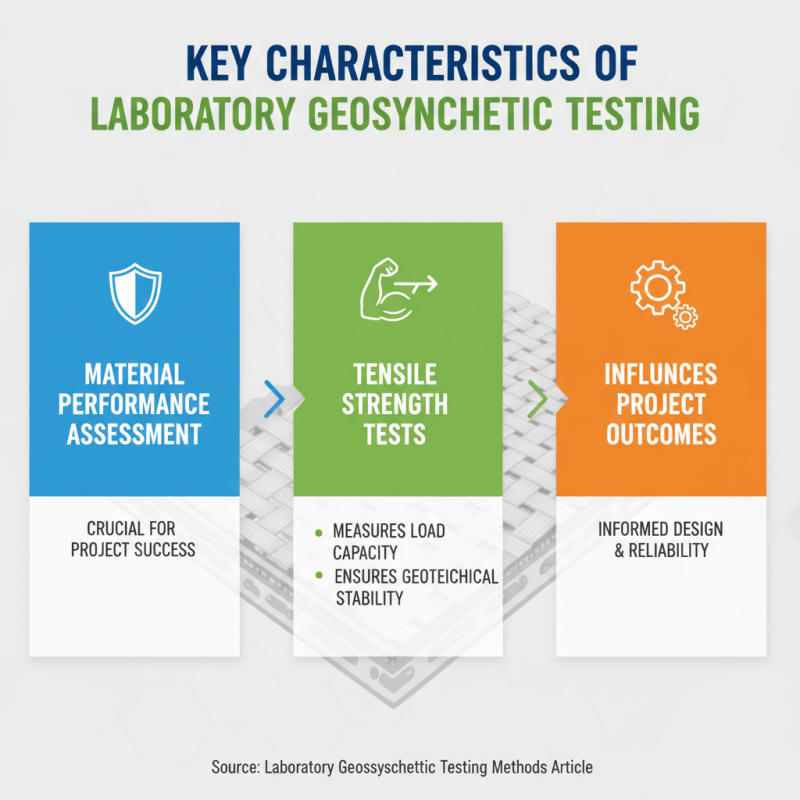
Laboratory geosynthetic testing plays a crucial role in assessing material performance. Understanding the key characteristics of various testing methods can significantly influence project outcomes. For instance, tensile strength tests measure how much load a geosynthetic can withstand in its application. This data is fundamental for ensuring stability in geotechnical projects.
Another critical method is the hydraulic conductivity test. It evaluates the permeability of geosynthetics, which is essential for drainage systems. Proper drainage reduces water accumulation and potential failures. However, the results can sometimes vary based on environmental conditions, highlighting the need for comprehensive testing protocols.
Our industry still faces challenges. Not all laboratories follow standardized methods, which can impact results. Buyers should look for accredited testing facilities that adhere to established guidelines. Reliability in test results ultimately leads to better project decisions. Investing time in understanding these methods is beneficial for everyone involved in geosynthetic applications.
Importance of Testing Standards in Geosynthetic Evaluation
Testing standards in the geosynthetic industry play a crucial role in ensuring material performance and safety. In recent studies, it has been shown that up to 40% of geosynthetic failure can be traced back to improper testing methods. This emphasizes the importance of adhering to established standards. Accurate testing helps predict how materials will behave in real-world conditions, aiding engineers and designers.
The American Society for Testing and Materials (ASTM) provides a range of testing procedures for geosynthetics. For example, ASTM D4595 outlines the testing for tensile properties, which directly impacts the structural integrity of soil reinforcement projects. Furthermore, a comparative analysis reveals that projects following standardized testing saw a 30% reduction in failure rates. There’s still room for improvement; many companies overlook routine testing updates, which can lead to outdated practices.
It’s vital for buyers to consider the latest testing protocols. Emerging challenges, such as climate change, demand new evaluations. Some geosynthetics may not perform as expected under extreme weather conditions. This highlights the need for continuous evaluation and adaptation of testing standards. Engaging with updated research ensures that material specifications remain relevant and reliable, contributing to safer infrastructure.
2026 Top Laboratory Geosynthetic Testing Insights for Buyers
| Testing Parameter |
Importance |
Standard Reference |
Typical Test Duration |
| Tensile Strength |
Critical for load-bearing applications |
ASTM D4595 |
3-5 days |
| Hydraulic Conductivity |
Essential for drainage and containment |
ASTM D2434 |
1-2 days |
| UV Resistance |
Important for outdoor applications |
ASTM G154 |
2-4 weeks |
| Mass per Unit Area |
Influences durability and performance |
ASTM D5261 |
1 day |
| Dimensional Stability |
Affects fit and installation |
ASTM D1204 |
2 days |
Emerging Technologies in Geosynthetic Testing for 2026
Emerging technologies in geosynthetic testing are set to revolutionize the landscape in 2026. With increasing demand for efficiency and reliability, new innovations are surfacing. Automated testing equipment offers heightened precision, significantly reducing human error. Real-time data analysis tools allow for faster decision-making. These advancements enable laboratories to meet the growing complexities of geosynthetic applications.
While these technologies bring promise, challenges persist. Implementing advanced systems requires staff training and updated protocols. Not all laboratories can easily transition to these innovations. Some may struggle with integration into existing processes. It's crucial to consider these factors when exploring new options.
Tips: Regular assessments of your lab's capabilities can help identify areas needing improvement. Ensure your team stays updated on the latest testing methods. Investing in training will empower your staff, allowing them to adapt to emerging technologies more effectively. Balancing innovation with practical application is vital for success in geosynthetic testing.
Market Trends and Buyer Considerations for Geosynthetics
When exploring the geosynthetics market, understanding current trends is crucial. Buyers need to stay updated on evolving technologies and materials. Innovations are emerging continuously, impacting performance and longevity. Material selection can make or break a project. Therefore, making informed choices is essential.
Tips: Research industry standards when considering geosynthetic products. Look for data on testing methods and performance metrics. Ensure suppliers provide credible certifications.
Market insights reveal a shift towards sustainable practices. Eco-friendly materials are becoming common, responding to environmental concerns. Buyers should assess the lifecycle impacts of the products they choose. Cost should not overshadow quality and sustainability.
Tips: Engage with industry experts to gain deeper insights. Networking at geosynthetic conferences can provide valuable information. Stay curious and open to feedback on material usage.
Being aware of these market trends helps refine purchasing strategies. It allows for better alignment with project goals. Buyers must embrace a mindset of continuous learning to adapt effectively.
Future Perspectives on Geosynthetic Testing and Innovation
The evolution of geosynthetic testing is crucial for future advancements. As technology develops, testing procedures must adapt. New materials require innovative approaches. Traditional methods may not be sufficient anymore. This shift demands collaboration among researchers, engineers, and manufacturers. Their insights will shape the industry's future.
Emerging techniques could enhance efficiency and accuracy. For example, real-time monitoring technology can provide immediate feedback. This will help ensure compliance with safety standards. Additionally, machine learning algorithms could analyze data faster. However, integrating these innovations poses challenges. Not all labs may be equipped to handle such changes. Training will be necessary for industry professionals.
Future testing may incorporate sustainable practices. Biodegradable materials are gaining traction. Testing these can be complex. Adjustments in procedures will be required. It's essential to refine existing methods as new challenges arise. Open dialogues about these issues will foster improvement. Acknowledging the need for evolution is the first step.





 Home
Home