How to Conduct Laboratory Geosynthetic Testing for Reliable Results?
Laboratory Geosynthetic Testing is crucial for ensuring the reliability and durability of geosynthetic materials used in various engineering projects. According to the Geosynthetic Materials Association, proper testing can significantly improve project outcomes and reduce long-term costs. A recent report highlights that 30% of project failures can be traced back to inadequate testing of geosynthetic materials.
Experts emphasize that standardized testing methods are essential for consistent results. However, only 40% of laboratories follow recommended protocols. This inconsistency can lead to misinterpretation of material performance, causing engineers to make ill-informed decisions. A well-conducted Laboratory Geosynthetic Testing process enhances the accuracy of results and contributes to better design and construction practices.
Furthermore, many geotechnical engineers admit a lack of familiarity with testing procedures. This gap in knowledge can undermine project success. Incorporating rigorous Laboratory Geosynthetic Testing routines can address these challenges. Continuous improvement in testing practices will ultimately lead to more reliable engineering solutions.
Importance of Standardized Test Methods in Geosynthetic Evaluation
Standardized test methods are crucial for reliable geosynthetic evaluation. They ensure all testing follows a consistent approach. This is essential for comparing results across different projects. Inconsistent testing can lead to misleading results. Only standardized methods can provide the accuracy needed for safe engineering decisions.
When conducting tests, always opt for methods recognized by industry standards. These standards define testing protocols, sample preparation, and evaluation criteria. Relying on recognized protocols enhances the reliability of results. Test variances may occur due to different laboratory practices. Consistent methodology reduces these discrepancies.
Tips: Regularly review and update your laboratory practices. Engage with industry peers to share insights about testing challenges. Capture detailed records of each test, noting any deviations. These steps will help improve your testing reliability and expertise over time. Establishing a culture of continuous improvement will benefit everyone involved.
Key Testing Parameters for Geosynthetic Performance Assessment
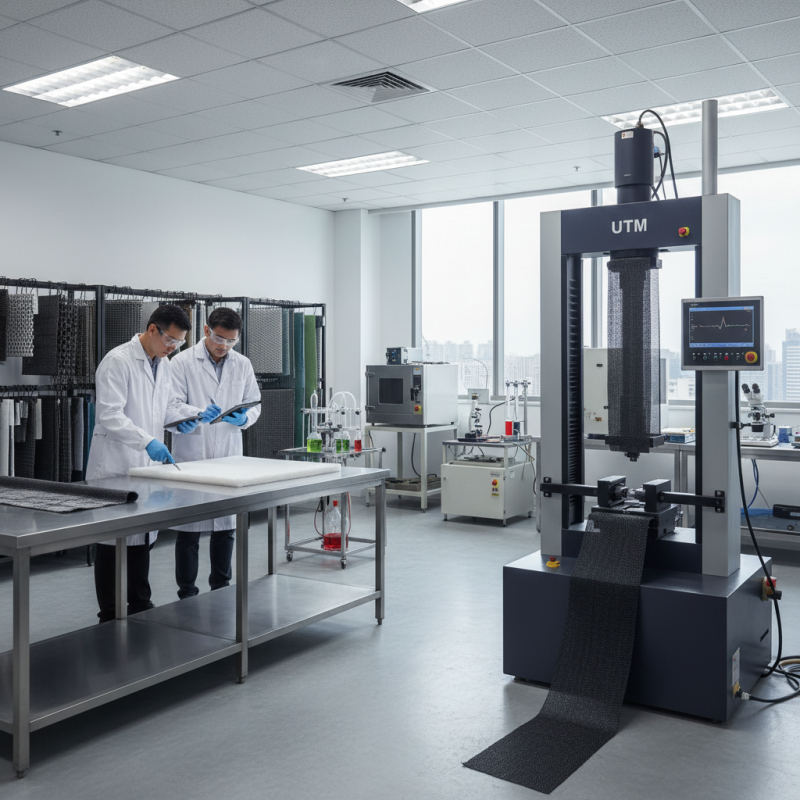
Laboratory geosynthetic testing is critical for evaluating material performance. Several key parameters must be assessed to ensure reliable results. Strength is essential; it defines how much load a geosynthetic can withstand. Testing tensile strength under controlled conditions gives insight into material durability.
Another important factor is permeability. Water flow through geosynthetic materials can significantly affect their performance. The ability to facilitate drainage without compromising structural integrity is vital. Conducting hydraulic conductivity tests reveals whether a material can manage water efficiently.
Additionally, durability testing under environmental conditions is crucial. Geosynthetics are often exposed to UV light, chemicals, and temperature fluctuations. These factors can degrade their performance over time. Using accelerated weathering tests helps in understanding long-term behavior.
Reflecting on these parameters can lead to improvements in testing methodologies. Variation in results can emerge if testing conditions are not standardized. Proper calibration of testing equipment and consistency in sample preparation can mitigate errors. Continuous refinement in laboratory practices enhances reliability in geosynthetic testing outcomes.
How to Conduct Laboratory Geosynthetic Testing for Reliable Results?
| Testing Parameter |
Description |
Typical Values |
Standard Method |
| Tensile Strength |
The maximum stress a material can withstand while being stretched. |
15 - 50 kN/m |
ASTM D4595 |
| Hydraulic Conductivity |
Measure of the ease with which water can move through the material. |
< 1 x 10^-7 cm/s |
ASTM D5856 |
| Mass per Unit Area |
Weight of the geosynthetic per square meter. |
200 - 1500 g/m² |
ASTM D5261 |
| Elongation at Break |
Percentage elongation of the material at the point of break. |
10% - 30% |
ASTM D4595 |
| Durability |
Resistance of the geosynthetic to degradation over time. |
> 70% retention after exposure |
ASTM D4355 |
Comparative Analysis of Destructive vs. Non-Destructive Testing Techniques
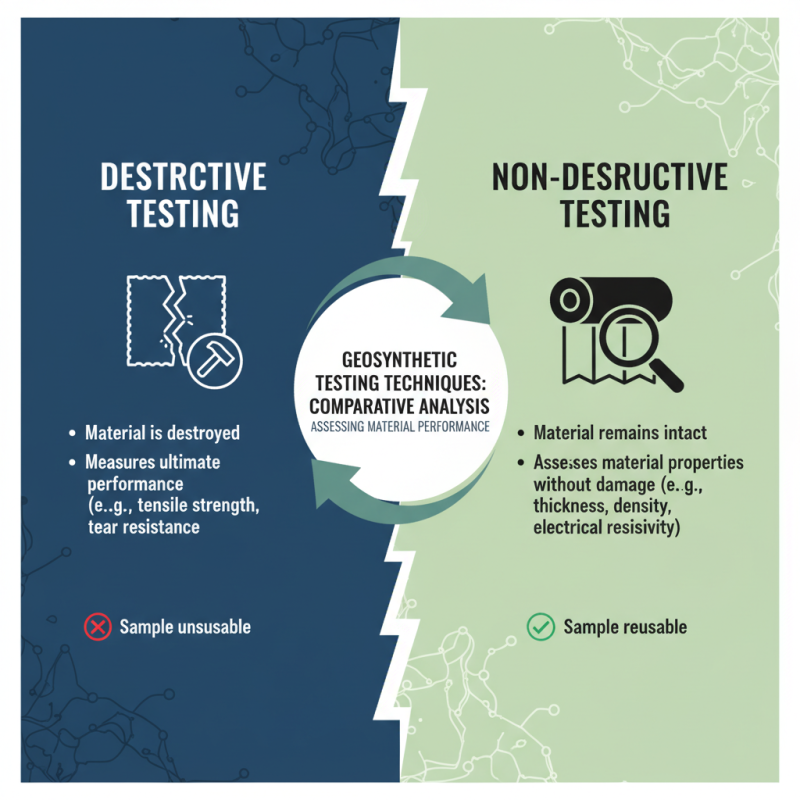
Laboratory geosynthetic testing is crucial for assessing material performance. Two main approaches exist: destructive and non-destructive testing. Each method has its strengths and drawbacks.
Destructive testing involves breaking or altering geosynthetic materials to evaluate their properties. It provides precise data on tensile strength, durability, and failure points. However, this method consumes samples, leaving none for future testing. This raises questions about resource efficiency and the need for multiple test iterations.
Non-destructive testing offers a different perspective. It assesses materials without causing damage. Techniques like ultrasonic testing and visual inspection can evaluate structural integrity. Though less invasive, interpretation can be challenging and may not always reveal hidden flaws. Relying solely on non-destructive methods could lead to overlooking critical issues.
Choosing the right testing method depends on the project needs. A balanced approach often yields the most reliable results. Understanding the limitations and benefits of each technique is essential for effective geosynthetic testing.
Interpreting Laboratory Results: Statistical Data and Reliability Metrics
When interpreting laboratory geosynthetic testing results, understanding statistical data is crucial. Key metrics include mean values, standard deviations, and confidence intervals. These statistics help determine material performance and potential variability. A solid grasp of these concepts aids engineers in making informed decisions.
Reliability metrics also play a vital role in testing. They provide insight into the dependability of test results. Factors like repeatability and reproducibility must be evaluated. If results vary significantly under similar conditions, this indicates a need for further investigation. Consistent results build trust in the testing process.
However, it’s important to acknowledge potential flaws in the testing methods. Equipment calibration and operator skill can introduce errors. Regular audits are necessary for maintaining accuracy. Each laboratory must reflect on its practices. Continuous improvement can lead to more reliable outcomes.
Integrating Field Testing with Laboratory Results for Comprehensive Insights
Integrating field testing with laboratory results can greatly enhance the understanding of geosynthetic materials. Laboratory tests provide controlled environments to measure mechanical properties, while field tests offer real-world insights. This combination is crucial for making informed decisions.
Field conditions often differ from lab settings. Variables like moisture, temperature, and soil interaction can impact performance. For instance, a geosynthetic that performs well in the lab might not behave the same way in the field. Observing actual behavior under real conditions helps to identify limitations.
Moreover, discrepancies between lab and field results can offer valuable lessons. They highlight the need for continuous improvement in testing methods. Developing comprehensive testing protocols ensures robustness and long-term reliability. Engaging with both environments enriches the understanding of geosynthetic applications and promotes effective use in engineering projects.





 Home
Home