What is a Cof Testing Machine and How Does it Work?
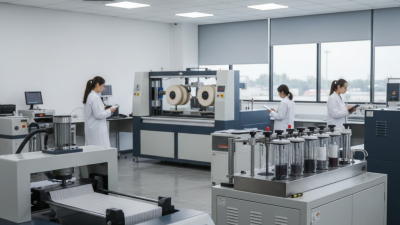
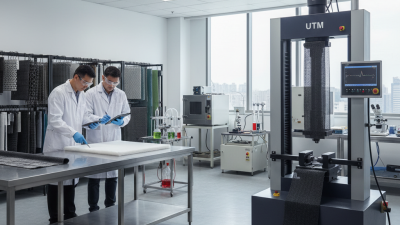
In the realm of material testing, the Cof Testing Machine plays a crucial role. This device is integral for evaluating the coefficient of friction in various materials. According to Dr. Emily Carter, a leading expert in materials engineering, "The Cof Testing Machine unlocks a deeper understanding of material interactions." This insight underscores its significance in industries such as automotive, construction, and manufacturing.
The Cof Testing Machine operates by simulating real-life friction scenarios. By measuring how surfaces interact under different conditions, it reveals important data. This information helps engineers design safer, more efficient products. For instance, knowing the frictional properties of tires can enhance road safety. However, relying solely on lab results can be misleading. Real-world applications often present variables not accounted for in controlled environments.
Despite its efficacy, the use of a Cof Testing Machine is not without limitations. Factors such as surface wear and environmental conditions can affect results. Engineers must consider these elements when interpreting data. This highlights the need for continuous innovation and adaptability in testing methodologies. The Cof Testing Machine remains an essential tool, yet its application requires careful thought and reflection.
What is a Cof Testing Machine?
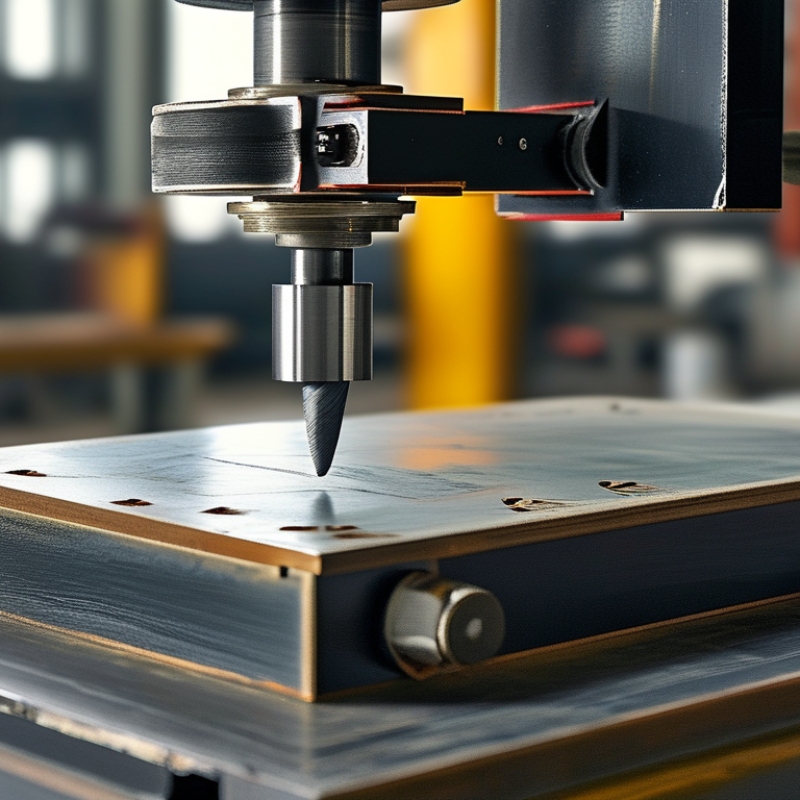
A Cof testing machine, or Coefficient of Friction testing machine, is a specialized tool used to measure friction between two surfaces. This machine is crucial in various industries, including packaging, automotive, and manufacturing. Understanding friction characteristics help manufacturers optimize material choices. Reports show that friction impacts the performance and safety of products significantly.
Cof testing machines often utilize a standardized sled to assess the friction of materials such as plastics, rubber, and textiles. The friction values are typically defined as static and kinetic coefficients. According to a recent analysis, manufacturers have noted that improper friction levels can lead to 20% of product failures in the field. This statistic emphasizes the importance of accurate testing.
Using a Cof testing machine can reveal insights into material compatibility and wear resistance during usage. However, operators should mind potential discrepancies in user technique and environmental factors, which could affect results. Continuous improvements in testing methodologies are necessary to maintain reliability and accuracy in measurements.
COF Testing Machine Performance Analysis
Understanding the Functionality of Cof Testing Machines
Cof testing machines play a crucial role in various industries, particularly in assessing the
adhesion properties of coatings. These machines evaluate how well a coating adheres to different surfaces,
providing essential data for quality control. The core functionality revolves around measuring the
force required to remove a coating from its substrate, typically using a
sensitive and precise mechanism.
The process begins with the preparation of the sample, ensuring it is clean and free from contaminants.
Once secured in the machine, a calibrated force is applied, gradually peeling the coating away. The results give
valuable insights into the coating's durability and effectiveness. However, not all testing results are perfect.
Variations in surface texture can lead to unexpected adhesion levels, challenging the reliability
of the test outcomes.
Understanding these machines also involves recognizing their limitations. Different
materials and environmental conditions can affect results. Moreover, improper setup or calibration errors can lead
to inconsistent data. Continuous learning and adaptation in methodology are essential for improving the accuracy
of tests. By analyzing both successful and flawed outcomes, professionals can refine their testing processes, ensuring
more reliable results in the future.
Key Components of Cof Testing Machines
Cof testing machines play a crucial role in determining the Coefficient of Friction (Cof) of materials. Understanding their key components is essential for effective operation. These machines typically consist of several important parts. There’s the base frame, which provides stability. It's crucial for accurate measurements. The load system is another vital component. It applies a specific weight to the test sample, affecting friction readings.
Another important part is the testing platform. This is where the actual interaction occurs. The platform is designed to hold the material securely during testing. The control system operates the machine, allowing users to set parameters and process data efficiently. It can monitor temperature and humidity, ensuring reliable results.
Calibration tools are also necessary. They ensure that measurements are consistent over time. Not all machines have built-in calibration systems, requiring users to check accuracy manually. There might be variations in results due to environmental conditions, which can cause discrepancies. Understanding these variables is important for any user. Overall, knowing these key components aids in the effective use of Cof testing machines.
Applications of Cof Testing Machines in Industry
Cof testing machines play a vital role in various industries, assessing the coefficient of friction of materials. They are essential in quality control for manufacturers, especially in sectors like packaging, automotive, and textiles. According to industry reports, the demand for these machines is rising as companies emphasize efficiency and safety. For instance, a recent study indicated that 40% of manufacturers are investing more in friction testing to enhance product quality.
In the packaging industry, cof testing helps evaluate the slip characteristics of films and papers. These tests ensure that packaging materials behave predictably during use. Reports show that improper friction can lead to issues in packaging performance, causing waste and potential product damage. Similarly, in the automotive sector, determining the friction properties of materials aids in selecting appropriate components for safety and performance.
Despite their widespread use, there are challenges with cof testing. Various environmental factors can alter results, such as temperature and humidity. Companies must calibrate machines regularly to ensure reliability. Additionally, not all materials react the same under testing conditions, highlighting the need for ongoing research to standardize testing procedures across different materials. This is crucial for maintaining industry standards and customer confidence.
Benefits of Using Cof Testing Machines for Quality Control
Cof testing machines play a vital role in ensuring product quality. These machines measure the
coefficient of friction of materials. This data directly impacts
performance and safety. High friction levels can
prevent slippage, making products safer to use. Conversely, low friction might lead to failure of
components in various applications.
Using Cof testing machines offers numerous benefits for quality control. They provide critical insights
into material behavior. This information helps manufacturers optimize their products.
It also aids in meeting industry standards. Quality control is enhanced when manufacturers can predict how materials will perform under different conditions.
Data-driven decisions lead to better product designs.
However, relying solely on these tests can be problematic. Machines require calibration for accurate
results. Inconsistent readings can mislead engineers, affecting the final product. Additionally, not all
testing conditions replicate real-world scenarios. Manufacturers must combine Cof testing data with
practical assessments. This holistic approach ensures superior product
quality and reliability.





 Home
Home