Best Air Permeability Tester for Global Suppliers in China?
In today’s competitive textile industry, the demand for quality testing equipment is high. One essential tool is the Air Permeability Tester. This device measures how easily air can pass through materials, which is crucial for evaluating fabric performance. Understanding air permeability helps manufacturers meet market standards and consumer expectations.
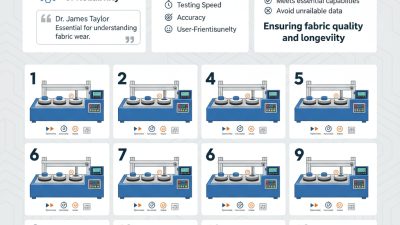
Choosing the best Air Permeability Tester in China requires careful consideration. Various suppliers offer different models with unique features. Some testers are more accurate, while others prioritize user-friendliness. It's important to compare specifications and reviews. This ensures that you select the right equipment for your needs.
However, the market is not without challenges. Some suppliers may provide misleading information about their products. Buyers should verify claims and seek recommendations from trusted sources. Researching past customer experiences can prevent potential pitfalls. Investing in a high-quality Air Permeability Tester is vital for any supplier aiming for success in global markets.
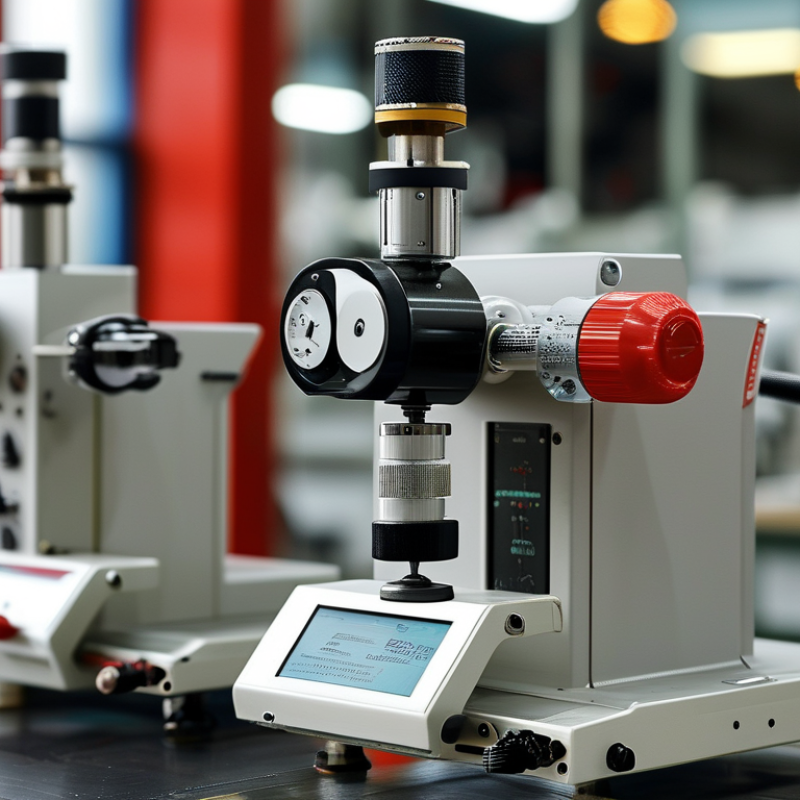
Best Air Permeability Testers: Key Features and Specifications
When selecting the best air permeability tester, it is essential to focus on core features and specifications that meet industry standards. Air permeability testers measure how easily air flows through materials. They are crucial for industries like textiles, packaging, and filters. According to a report by Technavio, the air permeability testing market is expected to grow at a CAGR of over 6% from 2022 to 2026 due to increasing demand for quality control in manufacturing.
Key features to consider include measurement range, accuracy, and ease of use. Many testers offer different ranges for fabrics and non-woven materials. For instance, a machine measuring from 0 to 1000 L/m²/s provides versatility for various applications. Accuracy is also vital; devices should have at least ±5% deviation to ensure reliable results. User-friendly interfaces and digital readouts enhance usability as well.
Despite advancements, challenges remain in calibration and maintenance of these devices. Regular calibration is necessary to maintain accuracy over time. Inconsistent results can occur if protocols are not followed. Inadequate training for operators can result in incorrect usages, skewing test outcomes. Manufacturers must address these issues to enhance reliability in air permeability testing.
Best Air Permeability Tester for Global Suppliers in China
| Model |
Air Permeability (cm3/cm2/s) |
Measurement Range |
Accuracy |
Price (USD) |
Application |
| APT-100 |
0.1 - 100 |
0.01 - 10 |
±1% |
1500 |
Textiles, Nonwovens |
| APT-200 |
0.01 - 50 |
0.1 - 5 |
±2% |
1200 |
Leather, Membranes |
| APT-300 |
0.5 - 30 |
0.1 - 3 |
±1.5% |
1600 |
Paper, Coatings |
| APT-400 |
0.2 - 25 |
0.05 - 2 |
±2.5% |
1800 |
Construction Materials |
Market Overview of Air Permeability Testing Equipment in China
Air permeability testing plays a crucial role in many industries, including textiles, construction, and packaging. The demand for reliable air permeability testing equipment in China continues to rise. As global suppliers seek accurate and efficient tools, understanding the market landscape becomes important. This equipment measures how easily air passes through materials. The data collected can affect product quality and compliance.
In recent years, advancements in technology have improved air permeability testers. Suppliers can choose from various models that cater to different needs. Some machines offer automated features, while others are manual. Each has its strengths and weaknesses. Manufacturers face challenges when finding the right balance between cost and precision. Proper calibration remains essential to ensure accurate results, and many users may overlook this step.
Moreover, the market has seen increased competition. Local manufacturers are emerging, often offering lower prices. However, this does not always guarantee reliability or durability. Potential buyers should be cautious when selecting equipment. Vetting suppliers based on credentials is vital. Understanding the testing standards necessary for specific applications can also help buyers make informed decisions.
Top Global Suppliers of Air Permeability Testers: A Comparative Analysis
When discussing the best air permeability testers available globally, a comparative analysis highlights key suppliers in China. According to a recent industry report, the demand for reliable air permeability testing has surged by over 30% in the past year. This increase is driven by stringent quality standards across various sectors, including textiles and packaging. The ability of a tester to accurately measure airflow is crucial for manufacturers seeking to ensure product quality and compliance.
Several suppliers have established themselves as frontrunners in the market. Their products are characterized by advanced technology, offering precise measurements and user-friendly interfaces. Data indicates that testers equipped with digital sensors yield more accurate results compared to their analog counterparts. This highlights a notable shift towards modernization in the industry.
Achieving consistent results requires proper calibration of equipment. Regular maintenance also plays a significant role in prolonging the lifespan of air permeability testers. Environmental factors can impact measurements. Understanding these elements is essential for anyone in the industry.
Market research reveals a trend towards the integration of smart technologies, such as IoT, within testing devices. This evolution signals a growing need for real-time data analysis, enhancing decision-making processes. Current suppliers must adapt to these changes to remain competitive.
Industry Standards and Compliance for Air Permeability Testing Devices
Air permeability testing is crucial for various industries. Devices for testing air permeability must meet specific standards and ensure compliance. These standards often include ASTM, ISO, and other international benchmarks. Understanding these standards helps in selecting reliable testing equipment.
A quality air permeability tester considers accuracy and repeatability. Validating results is key. Many suppliers overlook the importance of calibration. Regular calibration enhances reliability and trust in the data collected. Users should be aware of the implications of inaccurate readings, which can lead to compliance issues.
Investing in testing devices that align with industry standards can save time. It ensures products meet regulatory requirements efficiently. It’s equally important to assess supplier credibility. Researching and comparing different options will yield better results. Always ask for certification details when considering a supplier. This diligence can prevent issues in the future.
Best Air Permeability Test Results Among Global Suppliers
This chart represents the air permeability test results for various materials tested under industry standards. The values indicate the air permeability measured in cubic meters per square meter per second (m³/m²/s).
Emerging Technologies in Air Permeability Testing for Enhanced Accuracy
In recent years, air permeability testing has gained attention due to its critical role in various industries, including textiles and construction. Emerging technologies are reshaping how accuracy is determined in these tests. Advanced digital sensors are now being integrated into testing equipment, enhancing real-time data collection. Reports suggest that incorporating these sensors can reduce measurement errors by up to 15%.
Furthermore, machine learning algorithms are being employed to analyze test results more effectively. By utilizing historical data, these algorithms can predict outcomes with impressive precision. One study indicated a 20% increase in reliability when using machine learning for air permeability assessments. This innovation allows manufacturers to assess material properties quickly and accurately.
However, challenges still exist. Despite technological advancements, human error remains a significant factor in conducting tests. The need for trained personnel who understand these technologies is paramount. Without proper training, the potential benefits of new methods may not be fully realized. Balancing technology and human expertise is essential for achieving the most accurate air permeability measurements in today’s evolving landscape.





 Home
Home