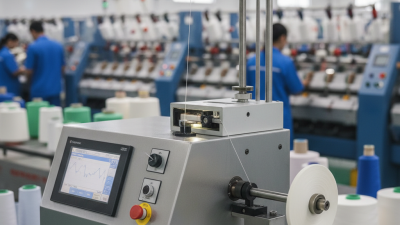
What is a Wrap Reel Electronic and How Does It Work?
The Wrap Reel Electronic is an innovative tool that has transformed the packaging industry. It serves as a compact and efficient solution for winding various materials. Its design enhances usability, allowing operators to streamline their processes. This electronic device is a game changer for businesses dealing with large volumes of products.
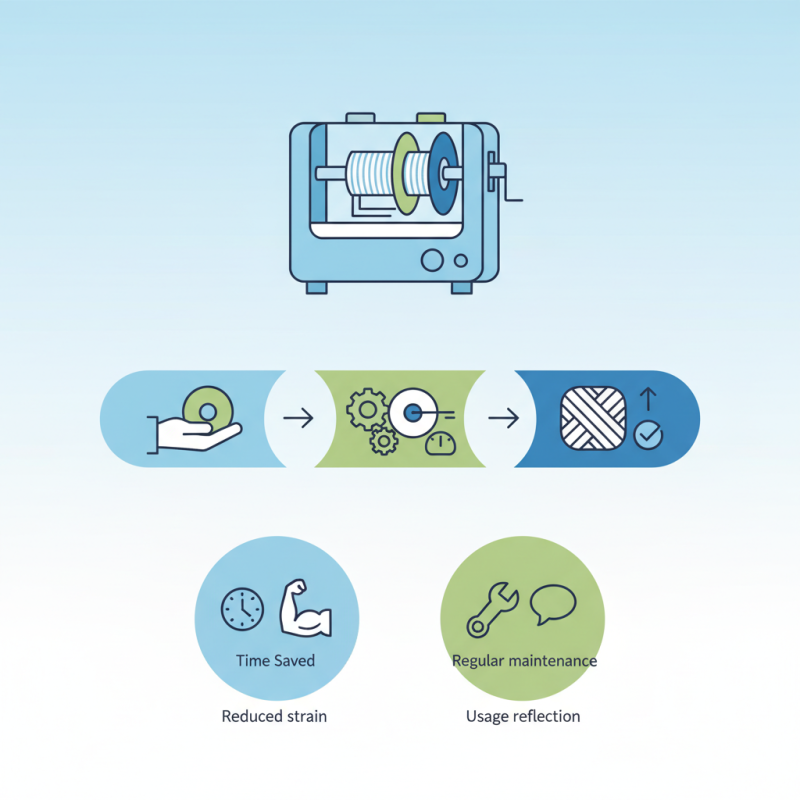
Operating the Wrap Reel Electronic involves several key steps. Users load their materials onto the device and let it do the work. The motorized system carefully winds the material with precision. The speed of winding can be adjusted according to specific needs. Mistakes can happen, especially when calibration is off. Operators must remain vigilant to achieve optimal results.
Understanding the Wrap Reel Electronic can have a significant impact. This device not only saves time but also reduces physical strain on workers. However, it is not without challenges. Regular maintenance is necessary to keep the device functioning well. Users should reflect on their usage patterns to maximize efficiency. Small adjustments can lead to improved outcomes in their operations.
What is a Wrap Reel Electronic?
A wrap reel electronic is a specialized device. It serves one major purpose: winding materials. This can include wires, cables, and even plastics. Think about how neatly a spool holds fishing line. That's the basic idea behind a wrap reel electronic.
The device operates automatically to ensure uniformity. It allows for consistent tension, which is crucial for many applications. Users often find it easy to control. However, some may struggle with the initial setup. It's not as intuitive as it appears. Proper understanding of the mechanism is essential for efficient use.
Many people appreciate its speed and accuracy. Yet, some find the maintenance slightly challenging. Regular checks are important; neglect can lead to issues. If parts wear down, the winding can become uneven. Users might wish for more clarity on operating instructions. Despite its effectiveness, there is room for improvement. Overall, a wrap reel electronic is invaluable for precise winding tasks.
The Components of a Wrap Reel Electronic
A wrap reel electronic is an advanced device essential in various industries. Its components work in harmony to deliver efficient performance. Key parts include the reel itself, motors, sensors, and a control panel. The reel holds materials tightly, while motors facilitate rotation. Sensors monitor the tension and position of the material. This integrated system ensures uniform wrapping, which is crucial for product protection.
Reports indicate that 72% of manufacturers value automation in their wrapping processes. This ensures speed and reliability, reducing manual labor. A well-functioning wrap reel electronic minimizes the risk of product damage. Regular maintenance of the sensors and motors is vital for optimal performance. Neglecting these can lead to inconsistent results.
Tips: Always check the alignment of the reel before starting the operation. Misalignment can cause wrapping defects. Additionally, do not ignore the maintenance schedule. Regular checks enhance the longevity of the machine. Use high-quality materials to avoid unnecessary wear on components. Remember, a small adjustment can lead to significant improvements in the wrapping quality.
What is a Wrap Reel Electronic and How Does It Work? - The Components of a Wrap Reel Electronic
| Component |
Description |
Function |
Material Used |
| Reel Body |
The main structure holding the other components. |
Provides support and stability. |
Aluminum or high-strength plastic. |
| Motor |
Drives the rotation of the reel. |
Powers the wrapping process. |
Electric components with copper wiring. |
| Control System |
User interface for operation. |
Allows settings customization. |
Electronic circuit boards. |
| Sensor |
Monitors the material length and tension. |
Ensures proper material handling. |
Plastic and metal conductors. |
| Power Supply |
Provides electrical power to the motor and controls. |
Enables functionality of the system. |
Transformers and capacitors. |
The Working Mechanism of a Wrap Reel Electronic
A wrap reel electronic is a device used primarily for winding and unwinding materials like tape or film. It automates the process, making it efficient and precise. The electronic component ensures that the winding is tight and even, reducing waste and saving time. Users often find the transition from manual to electronic wraps takes some adjustment, as the controls can vary significantly.
The working mechanism involves a motor that controls the reel's rotation. Sensors monitor the tension and speed of the material. If the reel spins too fast, the system can automatically slow down. However, occasional misalignments occur, causing frustrations during use. These moments can lead to learning opportunities, highlighting areas needing improvement.
Additionally, many operators discover that the user interface might not be intuitive. Buttons and settings can feel overwhelming at first. Over time, familiarity helps ease this challenge. Finding a rhythm with the machine is essential for optimal performance. Understanding how to troubleshoot minor issues can ultimately enhance efficiency and reliability in wrapping tasks.
Applications of Wrap Reel Electronics in Industry
Wrap reel electronics play a crucial role in various industries. These devices help in efficiently managing and organizing cables and materials. They are widely used in manufacturing, telecommunications, and entertainment sectors. In manufacturing, wrap reels streamline the process of handling wires and cords. This reduces the risk of tangles and improves workflow.
Telecommunication companies also benefit. They use wrap reels for managing vast amounts of cables. A well-organized cable system enhances signal quality. It minimizes disruptions during installation and maintenance. On movie sets, wrap reels keep audio and video cables neat. This ensures quick setups and less risk of accidents.
Despite their usefulness, challenges exist. Improper use can lead to wear and tear. Units can become tangled if not returned correctly. Training staff on effective usage is vital. Regular audits of equipment can prevent issues. Maintaining these systems ensures longevity and efficiency.
Benefits of Using Wrap Reel Electronics in Production Processes
Wrap reel electronics are essential tools in modern production processes. They help streamline operations while reducing waste. Using these devices can significantly boost efficiency. Workers may find that manual methods often lead to inconsistencies. In contrast, wrap reel electronics ensure precise measurements and consistent results.
Benefits abound when incorporating wrap reel electronics. They minimize labor costs, as fewer workers are needed. The quick wrap process saves time and increases output. Additionally, these tools reduce material waste. With accurate measurements, you won’t end up with excess that needs disposal. This translates to cost savings over time.
**Tip:** Regular maintenance of wrap reel electronics helps avoid disruptions. Perform routine checks to keep everything running smoothly.
Some companies may hesitate to switch to these systems. They might fear the learning curve or upfront costs. However, the long-term benefits often outweigh these concerns. Training staff effectively can lead to successful adoption. You might consider starting with a pilot project to ease the transition.
**Tip:** Communicate openly with your team during this change. Their feedback can highlight unforeseen challenges. Engaging everyone fosters a collaborative environment.





 Home
Home