Understanding Water Vapor Transmission Testers: Ensuring Quality in Packaging and Material Performance
In the realm of packaging and material performance, understanding the role of a Water Vapor Transmission Tester is crucial for ensuring product integrity and longevity. According to a recent industry report by Smithers Pira, the global market for packaging is projected to reach $1 trillion by 2024, with a significant emphasis on materials that can effectively manage moisture and extend shelf life. Moisture is a primary factor that can compromise the quality and safety of products, from food items to pharmaceuticals. With a growing demand for sustainable and high-performance packaging solutions, the accuracy and reliability of Water Vapor Transmission Testers become paramount. These instruments help manufacturers evaluate the permeability of their materials, ensuring compliance with industry standards and enhancing product durability. By investing in advanced testing methods, companies can mitigate risks associated with moisture infiltration, leading to higher customer satisfaction and reduced waste.
Types of Water Vapor Transmission Test Methods Used in Packaging
Water vapor transmission tests are essential in assessing the quality and performance of packaging materials.
These tests evaluate how well a material can prevent moisture from permeating through and affecting the contents inside.
Different methods are employed for measuring water vapor transmission rates, each suited for specific types of materials and applications.
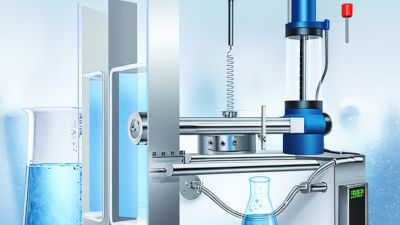
Notably, methods such as the cup test, which utilizes a sealed container with water, and the desiccant method, which measures the weight change over time, provide crucial insights into a material's barrier properties.
In the context of food safety, understanding water vapor transmission is particularly important.
As highlighted by recent advancements, technologies are emerging that allow users to determine if food has spoiled using mobile devices.
This intersection of packaging technology and consumer applications emphasizes the critical role that effective barrier materials play in food preservation.
By employing appropriate water vapor transmission test methods, manufacturers can enhance the durability of their packaging, ultimately reducing food waste and improving safety for consumers.
Key Factors Influencing Water Vapor Permeability in Materials
Water vapor permeability is a critical factor in determining the overall performance and quality of packaging materials. Various factors influence this property, including temperature, humidity, material thickness, and the specific polymer structure used in manufacturing. According to a study published by the Packaging Institute, the permeation rate of water vapor can vary significantly across different materials, with high-barrier films showing rates as low as 0.1 g/(m²·day) in controlled environments, while standard polyethylene may exhibit rates exceeding 10 g/(m²·day). This variance underscores the importance of selecting the right material for specific applications to ensure product preservation and shelf life.
Additionally, the molecular structure of packaging materials plays a crucial role in water vapor transmission. Materials that incorporate hydrophilic components tend to have higher permeability due to their affinity for moisture. A report from the Material Research Society indicates that incorporating barrier-enhancing additives can improve performance significantly; for instance, blends that include ethylene vinyl alcohol (EVOH) can reduce water vapor transmission rates by up to 80% compared to traditional plastics. Understanding these key factors is essential for manufacturers aiming to optimize packaging solutions and meet industry standards for product integrity and longevity.
Importance of Water Vapor Transmission Testing for Product Quality
Water vapor transmission testing (WVTT) is a crucial procedure that evaluates the permeation of water vapor through packaging materials. This assessment is vital for ensuring the integrity and quality of products, especially in industries such as food, pharmaceuticals, and electronics. According to a recent report from the Packaging Machinery Manufacturers Institute (PMMI), nearly 35% of spoilage in packaged goods is attributed to moisture-related issues. Thus, accurate measurement of water vapor transmission rates (WVTR) can prevent product degradation and extend shelf life.
Tips for achieving optimal packaging performance include selecting the right material based on WVTR requirements specific to your product. For example, materials with low WVTR values are ideal for moisture-sensitive items, ensuring that they remain protected during storage and transport. Regular testing, as recommended by the ASTM E96 standard, allows manufacturers to continuously monitor and improve their packaging integrity. Keeping records of WVTR measurements can also help in maintaining compliance with industry standards.
Incorporating advanced water-resistant coatings can significantly enhance the performance of packaging. Research indicates that using coatings can reduce WVTR by up to 80%, thus providing a robust barrier against moisture. By understanding the importance of water vapor transmission testing and following best practices, manufacturers can ensure superior product quality while minimizing the risk of contamination and spoilage.
Understanding Water Vapor Transmission Testers: Ensuring Quality in Packaging and Material Performance
| Material Type |
WVT Rate (g/m²/day) |
Testing Method |
Application |
Quality Rating |
| Polyethylene Film |
10 |
ASTM E96 |
Food Packaging |
Good |
| EVA Copolymer |
5 |
ISO 15106 |
Medical Devices |
Excellent |
| Polyvinyl Chloride |
20 |
ASTM F1249 |
Construction Films |
Fair |
| Nylon |
1 |
ASTM E96 |
Flexible Packaging |
Excellent |
| Aluminum Foil |
0.1 |
ASTM F1249 |
Barrier Packaging |
Outstanding |
Common Applications of Water Vapor Transmission Testing in Industries
Water vapor transmission testing plays a crucial role in various industries, ensuring that packaging and materials can adequately protect products from moisture-related damage. In the food and beverage sector, for instance, manufacturers utilize these tests to evaluate the barrier properties of packaging films. Effective barrier materials help maintain freshness, extend shelf life, and preserve the organoleptic qualities of products.
Water vapor transmission rates (WVTR) are meticulously measured to ensure that packaging does not allow excessive moisture ingress, which could lead to spoilage.
Similarly, in the pharmaceutical industry, water vapor transmission testing is essential for maintaining the integrity of medications and medical devices. Many pharmaceutical products are highly sensitive to moisture; hence, packaging must effectively mitigate moisture exposure. Testing helps manufacturers select appropriate materials that provide reliable protection against humidity, ensuring that drugs remain stable and effective throughout their shelf life.
Additionally, in the textile industry, WVTR testing assesses the breathability of fabrics used in performance apparel, where moisture management is key to comfort and functionality for the end-user. This testing is vital for producing high-quality materials that meet consumer expectations for durability and performance.
Best Practices for Implementing Water Vapor Transmission Testing Procedures
Implementing effective water vapor transmission testing procedures is crucial for ensuring the quality and longevity of packaging materials. Industry standards highlight that nearly 20% of products can degrade due to moisture ingress, underscoring the importance of proper testing methods. Utilizing ASTM E96 and ISO 15106-3 methodologies can provide reliable measurements of water vapor permeability. By adhering to these standards, companies can enhance the performance of their products and minimize spoilage.
Tips for successful implementation include selecting the appropriate testing environment and maintaining consistent temperature and humidity levels throughout the testing process. Regular calibration of testing equipment is also essential; studies have shown that calibrated instruments can reduce measurement errors by up to 15%. Additionally, establishing a thorough documentation process aids in tracking performance trends over time and helps in identifying potential areas for improvement.
Further consideration should be given to the selection of materials based on their water vapor transmission rates. Research indicates that multilayer structures can significantly reduce permeability. Therefore, integrating advanced materials research into the development phase can ensure that packaging solutions meet both performance and sustainability goals, aligning with the industry's increasing emphasis on eco-friendly practices.





 Home
Home