How to Use a Yarn Evenness Tester for Perfect Yarn Quality?
In the world of textile production, achieving perfect yarn quality is paramount. A Yarn Evenness Tester plays a crucial role in this process. It ensures that yarn characteristics remain consistent, which is essential for creating high-quality products. According to industry expert Dr. Emily Tran, “Precision in yarn evenness directly impacts the final fabric quality.”
Using a Yarn Evenness Tester helps identify deviations in yarn thickness. These deviations can lead to issues like fabric weakness or uneven dyeing. Many textile manufacturers overlook this critical step, leading to compromised quality. Regular testing reveals areas for improvement in production techniques.
Despite the advancements in testing technology, some still struggle with correctly interpreting test results. It is vital to not only measure the yarn but also understand the implications of those measurements. Regularly revisiting testing protocols can enhance overall outcomes. A commitment to this detail can elevate yarn production to new heights, making the Yarn Evenness Tester an indispensable tool in the textile industry.

Introduction to Yarn Evenness Testing
Yarn evenness testing is crucial for maintaining high-quality textile production. It assesses the consistency of yarn thickness throughout its length. According to industry reports, uneven yarn can lead to 25% more wastage during manufacturing. Such discrepancies often occur due to variations in fiber properties or flaws in processing. This makes effective testing essential for achieving uniformity.
Utilizing a yarn evenness tester helps identify weak spots in yarn. The data collected reveals not just thickness variations but also helps in pinpointing specific production issues. For instance, keeping a tolerance of +/-5% for thickness variation can enhance overall product quality significantly. This precise examination can improve product longevity and decrease the likelihood of consumer complaints.
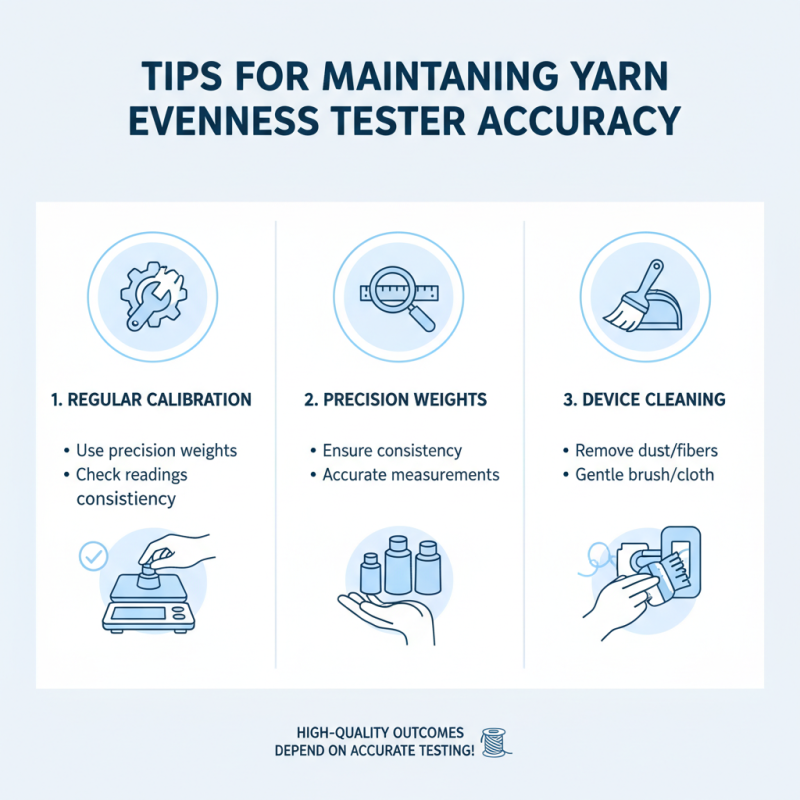
Tips: When testing, ensure the machine is calibrated correctly. Regular maintenance can prevent inaccurate readings due to dust or wear. Consider running multiple tests on different yarn batches to get a comprehensive understanding. This approach can also highlight areas needing improvement. Always focus on refining your process based on the data gathered. Remember, even minor inconsistencies may affect the final product.
Yarn Evenness Testing Results
Importance of Yarn Evenness in Quality Assurance
Yarn evenness is crucial for producing high-quality textiles. Uneven yarn can lead to inconsistencies in the final product. This can affect the overall look and feel of fabrics. A professional approach involves regular testing of yarn evenness. It helps maintain quality standards essential for production.
Using a yarn evenness tester can identify flaws early. This device measures variations in thickness throughout the yarn. By analyzing the results, manufacturers can pinpoint issues. These might include irregular tension during spinning or variations in raw materials. Addressing these can significantly enhance the quality of the final product.
However, relying solely on technology has its drawbacks. Testing results might not always reflect actual performance in production. The human eye can catch nuances that machines may miss. Regular visual inspections, combined with advanced testing equipment, provide a robust quality control strategy. This balanced approach fosters continuous improvement and innovation in yarn production.
Step-by-Step Guide to Using a Yarn Evenness Tester
Using a yarn evenness tester can significantly improve your yarn quality. This device measures the thickness of yarn, ensuring better consistency. Let's explore how to effectively use a yarn evenness tester.
Begin by preparing your yarn sample. Cut a length of yarn, ideally 1 meter or so. Ensure it’s free from knots and tangles. Place the yarn in the tester's clamp to secure it properly. Adjust the tester settings according to your preferences. It’s crucial to follow the device's instructions closely.
When you start measuring, observe the readings carefully. A perfect yarn should show minimal variation in thickness. If you see significant discrepancies, reevaluate your yarn spinning techniques. You might need to adjust tension during spinning.
**Tips:** Always clean the tester before use. Dust and debris can affect accuracy. Use a steady hand when placing the yarn. This keeps readings reliable. Don't hesitate to repeat measurements if results seem off. Reflection on your process is key to improvement.
Interpreting Results from Yarn Evenness Testing
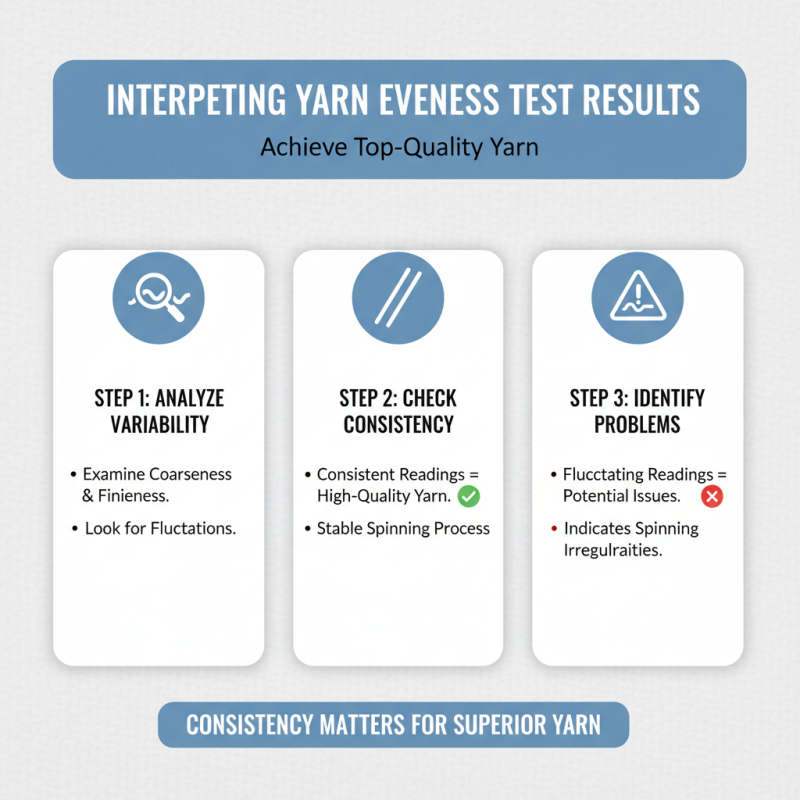
Understanding the results from a yarn evenness tester is crucial for achieving top-notch yarn quality. When you receive the output data, the first step is to analyze the coarseness and fineness variability. Consistency matters. A sample with consistent readings indicates higher quality yarn. However, fluctuations signal potential problems in the spinning process.
It’s essential to examine the statistical parameters displayed, such as the mean and standard deviation. A higher standard deviation often indicates issues during yarn production. It could mean that the fiber preparation or spinning techniques need closer scrutiny. Look for any deviations that seem out of the ordinary. Sometimes, these variations stem from irregular fiber length or moisture content in the fiber.
Don't overlook the visual inspection of the yarn samples alongside numerical data. This holistic approach can reveal discrepancies not evident through testing alone. Remember, achieving perfect yarn quality is a continuous journey that involves tweaking production methods. Embracing imperfection in early trials encourages innovation and improvement in the long run. Adapting based on these insights fosters a stronger yarn production process, ultimately leading to better products in the market.





 Home
Home