How to Use a Dynamic Friction Tester Effectively?
In the realm of material testing, the Dynamic Friction Tester stands as an essential tool. Expert Jane Smith, a leading figure in tribology, once remarked, "Understanding friction dynamics can transform product performance." This statement highlights the significance of this specialized device in various industries.
The Dynamic Friction Tester measures friction under real-world conditions. It helps engineers evaluate material interactions more effectively. However, users often overlook important calibration steps. Proper setup is crucial for accurate results. Even small misalignments can lead to misleading data.
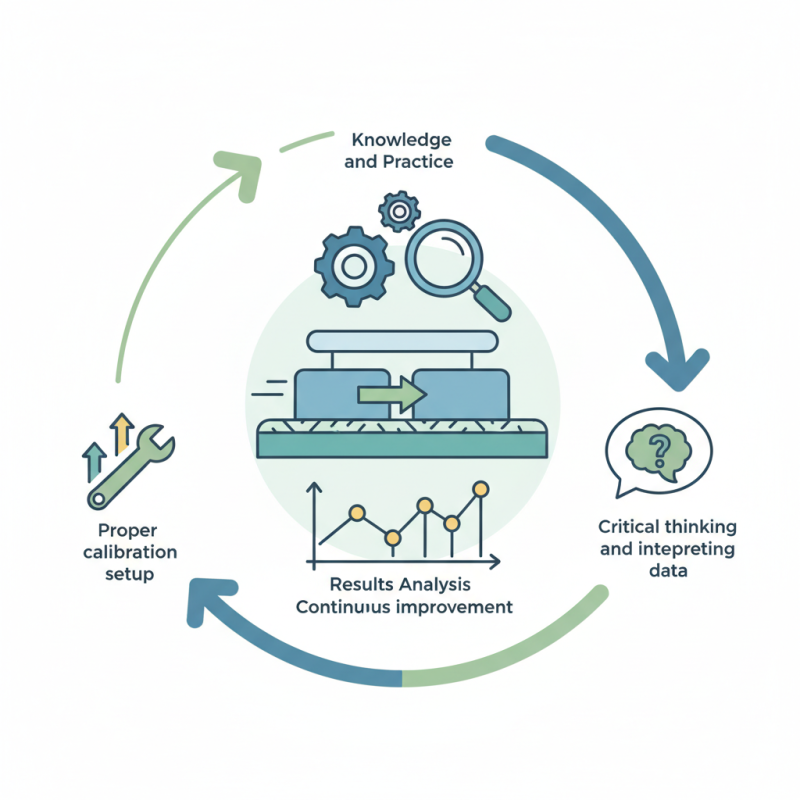
Effective use of a Dynamic Friction Tester requires both knowledge and practice. Users must engage with the results critically. Identifying patterns in the data can be challenging. Often, the initial findings may spark more questions than answers. Reflexivity in interpreting friction behaviors is key for continuous improvement.
Introduction to Dynamic Friction Testing
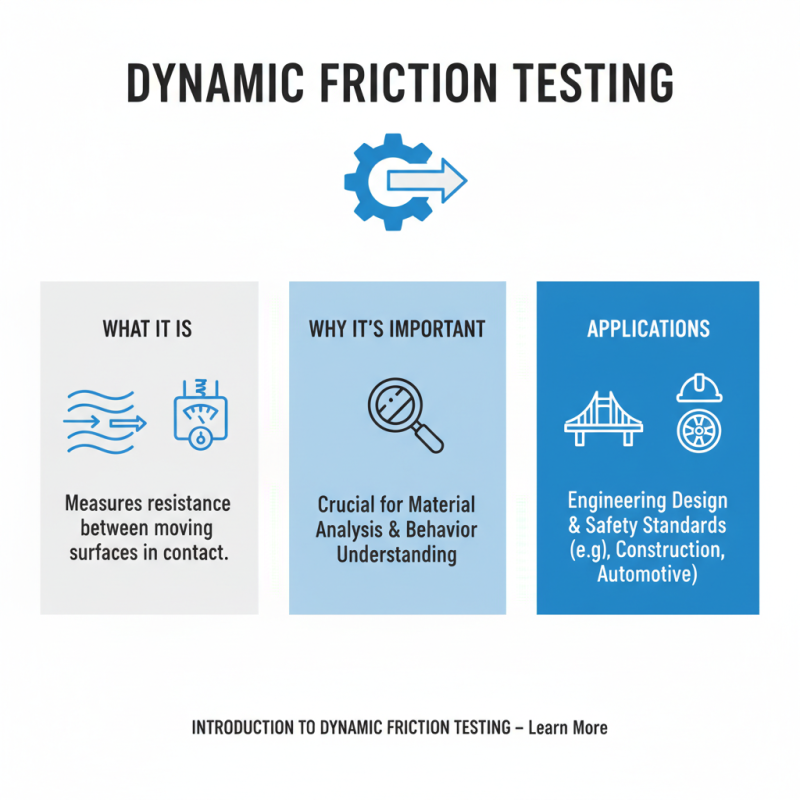
Dynamic friction testing is crucial for material analysis. This method measures the resistance that surfaces generate when in contact and moving against each other. Understanding how materials behave under various conditions helps in numerous applications. For example, it can impact design choices in engineering and affect safety standards in construction.
To get the most accurate results, follow these tips. Ensure surfaces are clean and free of contaminants. Any dirt or residue can skew results. Additionally, calibrate your equipment regularly to maintain accuracy. It's easy to overlook calibration, but it’s essential for reliable data. Also, take note of environmental factors, such as temperature and humidity. These can significantly influence friction results.
Don't forget about user influence. A tester's technique can affect measurements. Try different methods and document varied results. Compare the outcomes to understand how each technique impacts the data. Reflection on these differences can reveal insights about material performance under dynamic conditions. Use this knowledge to refine testing methods continuously.
Understanding the Principles of Dynamic Friction
Understanding dynamic friction is crucial for effectively using a dynamic friction tester. Dynamic friction refers to the resistance encountered when two surfaces slide against each other. It plays a vital role in applications such as automotive braking systems, conveyor belts, and adhesive formulations. The coefficient of dynamic friction can vary significantly based on materials, surface conditions, and speeds.
When operating a dynamic friction tester, it's essential to consider these variables. For example, surface roughness can greatly influence friction results. A rougher surface might exhibit higher friction, while smoother surfaces could lead to unexpected sliding behaviors. Observing these factors during testing helps refine the understanding of material interactions. However, this approach may not always yield consistent results. It is important to reconsider variables if significant discrepancies arise in repeated tests.
Another aspect is the speed of testing. Higher speeds can change friction characteristics, which might not reflect real-world scenarios. If unexpected results occur, revisiting the speed and environmental conditions could provide valuable insights. A dynamic friction tester can reveal much about material performance, but accurate results demand careful attention to detail and a willingness to adapt procedures based on findings.
Dynamic Friction Tester Results
Setting Up Your Dynamic Friction Tester
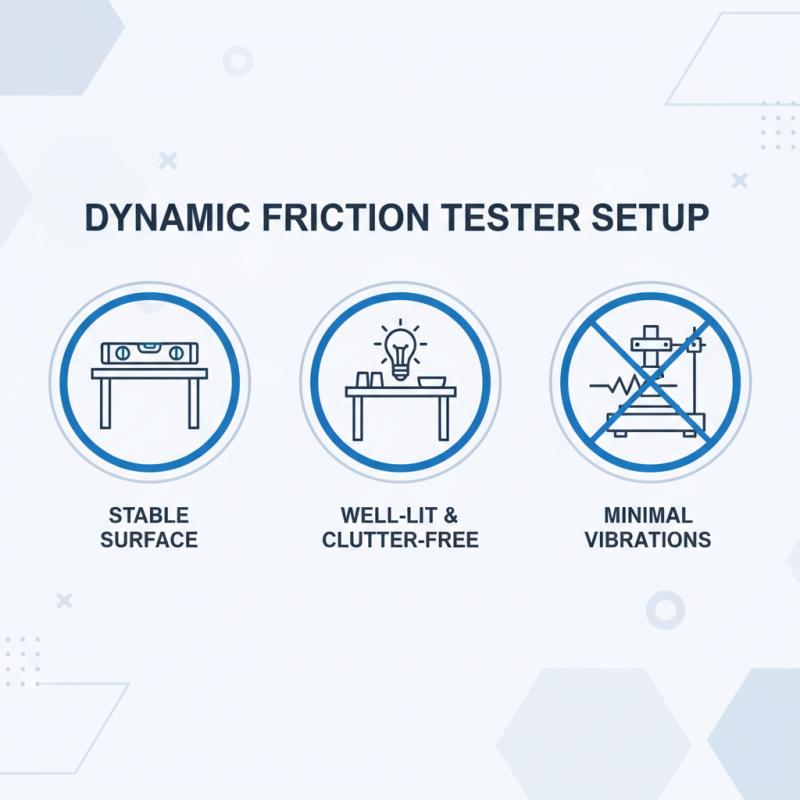
Setting up a dynamic friction tester requires careful consideration of various factors. Start by choosing a suitable location with minimal vibrations. A stable surface is crucial for accurate results. Ensure the area is well-lit and devoid of clutter. This setup allows you to focus on the testing process without distractions.
Next, familiarize yourself with the user manual. Understand the calibration process thoroughly. Calibration plays a vital role in obtaining reliable data. Often, users skip this step, leading to misleading results. Check that all components are securely in place. Loose parts can affect performance and accuracy. Always verify settings before running tests.
Finally, remember to conduct periodic maintenance. Regular checks can prevent issues that disrupt testing. Sometimes, users overlook this, leading to inconsistent results. Take the time to reflect on previous tests. Analyze any anomalies. Each step in the setup process is essential to ensure the effectiveness of your dynamic friction tester.
Step-by-Step Procedure for Dynamic Friction Testing
Dynamic friction testing is essential for analyzing material interactions. This process helps in understanding how surfaces behave under various conditions. Here, we'll explore a step-by-step procedure for effective dynamic friction testing.
Begin by selecting the right materials. Ensure that the surfaces to be tested are clean and free from contaminants. This can greatly affect the friction readings. Set the testing apparatus according to the manufacturer's specifications. Calibration is key here. An uncalibrated machine will yield unreliable data.
During testing, apply a consistent speed and load. Keep the pressure even throughout the test. Record your findings meticulously. Small changes can lead to different results. Analyze the data carefully. Look for anomalies in the friction coefficients; they can indicate material wear or inappropriate test conditions.
Tips: Always wear protective equipment. Handle machinery with care. Follow safety protocols at all times. Regularly check your equipment for any wear or damage. This can help avoid unexpected errors. Remain open to adjusting methods based on initial results. Testing isn’t always perfect. Adaptation is necessary for accurate results.
Analyzing and Interpreting Test Results
When using a dynamic friction tester, analyzing the test results is crucial. Test results often reveal the friction coefficient between two surfaces. A higher coefficient indicates better grip. However, interpretations can be misleading. For example, a high friction reading might occur under specific conditions. Other variables, like surface texture and lubrication, can affect outcomes. Observing these factors is essential.
It’s vital to document each test setup meticulously. Variations in temperature or humidity can alter results. If you overlook these, your analysis might be flawed. Comparing results across different materials also requires caution. A material that performs well in one scenario may fail in another.
Reflect on your testing methodology regularly. An unexpected result can signal a need for improvement. Adjustments may lead to better understanding. The friction behavior of materials can be complex and sometimes frustrating. It's a continuous learning process, and being open to interpretation can enhance your testing strategy.
How to Use a Dynamic Friction Tester Effectively? - Analyzing and Interpreting Test Results
| Test Sample |
Surface Material |
Initial Friction Coefficient |
Dynamic Friction Coefficient |
Comments |
| Sample A |
Rubber |
0.85 |
0.78 |
Good performance under pressure |
| Sample B |
Metal |
0.65 |
0.60 |
Stable under dynamic loading |
| Sample C |
Plastic |
0.50 |
0.48 |
Satisfactory performance |
| Sample D |
Wood |
0.75 |
0.70 |
Effective for moderate use |
| Sample E |
Concrete |
0.90 |
0.88 |
High friction, ideal for grip |





 Home
Home