• facebook
  • youtube
  • linkedin
Leave Your Message

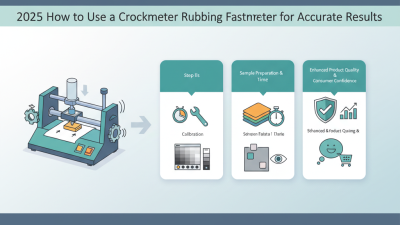
How to Use a Crockmeter Rubbing Fastness Tester Effectively?

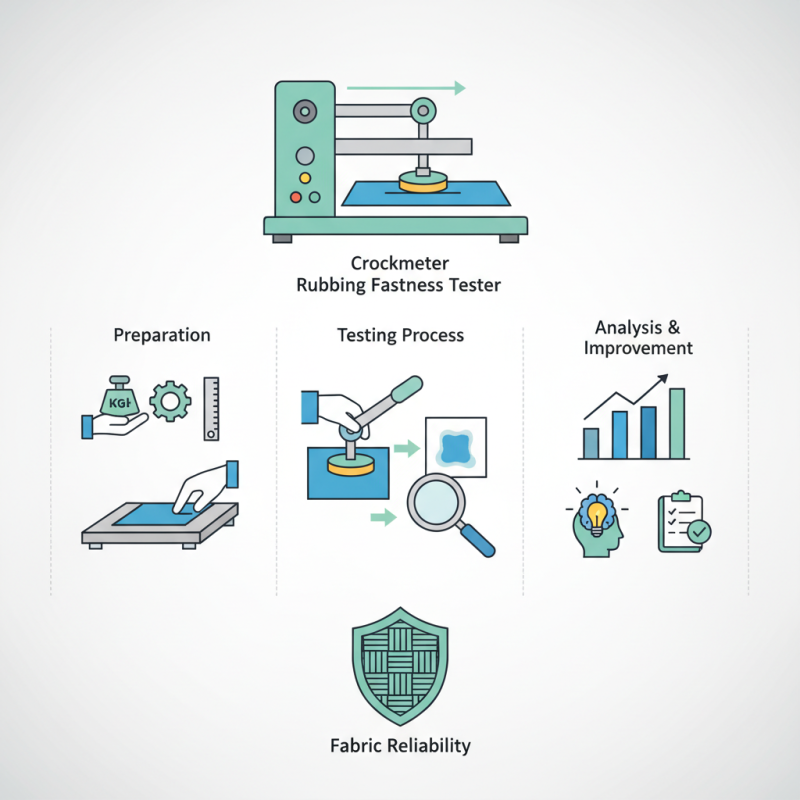
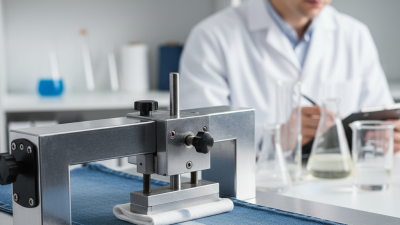
The Crockmeter Rubbing Fastness Tester is an essential tool in textile testing. It measures how well colors withstand rubbing. This device helps ensure quality in fabric production. When using the tester, understanding the procedure is key. Proper calibration is crucial for accurate results.

Testing involves placing a sample under a specific pressure. A rubbing test is then conducted. This simulates wear and tear that fabric may face. The results help identify potential color bleeding. However, mistakes can happen if the technique is not followed. Misalignment of samples may lead to false readings.

Improper usage can compromise the integrity of the test. Users must stay vigilant and knowledgeable about techniques. Reflecting on the process can lead to better practices in the future. Awareness of common errors helps improve accuracy. Utilizing the Crockmeter Rubbing Fastness Tester effectively enhances fabric reliability.

How to Use a Crockmeter Rubbing Fastness Tester Effectively?

Understanding the Crockmeter and Its Importance in Fabric Testing

How to Use a Crockmeter Rubbing Fastness Tester Effectively?

Understanding the Crockmeter and Its Importance in Fabric Testing

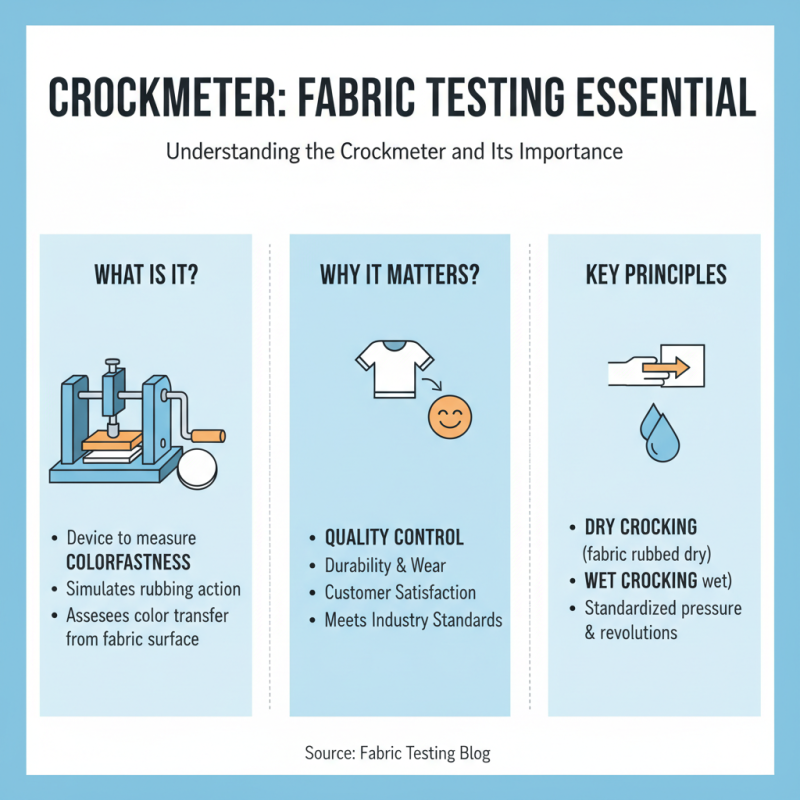
A crockmeter is essential in evaluating the color fastness of fabrics. This testing device measures how well a color withstands rubbing. It’s particularly important for textiles used in fashion and upholstery. Reports indicate that up to 30% of fabric returns are due to color fading or bleeding. Without adequate testing, manufacturers face significant financial losses and brand reputation damage.

To ensure accurate results, calibration of the crockmeter is crucial. Regular maintenance helps maintain consistency in tests. According to industry standards, using both dry and wet testing methods provides comprehensive insights. However, some tests require setup time, which can lead to delays. Effective use of the crockmeter can prevent these issues.

Tips: Always check fabric composition before testing. Different materials react uniquely to friction. Conduct tests in controlled conditions to avoid external factors affecting results. Remember, not all color fastness failures are indicative of poor quality. Sometimes, they highlight areas for improvement in dyeing processes or fabric treatment. This reflection helps enhance future fabric creation.

Components of a Crockmeter and Their Functions Explained

The crockmeter is a vital tool in textile testing. It helps measure the rubbing fastness of fabrics. Understanding its components can improve your testing.

The main part of a crockmeter is the rubbing head. This head moves back and forth, simulating wear. It is important to choose the right pressure for accurate results. Too much pressure can give misleading data. The test sample size also matters. Typically, a 10 cm by 10 cm piece is used.

Another key component is the color transfer cloth. This cloth absorbs the dye released from the fabric. Different types of cloth can produce varying results. Users often overlook this aspect, leading to inconsistency. The testing environment should also be considered. Factors like humidity and temperature can influence the test. Proper control is critical for reliable outcomes.

How to Use a Crockmeter Rubbing Fastness Tester Effectively? - Components of a Crockmeter and Their Functions Explained

Component Function Material Importance
Rubbing Head Simulates the friction that occurs during use Cotton or felt Crucial for accurate fastness testing
Pressure Applicator Applies a constant pressure during the rubbing process Metal or durable plastic Ensures consistency across tests
Weight System Provides the necessary weight for the rubbing action Steel or cast iron Determines the force applied, affecting results
Base Unit Holds all components and provides stability during testing Heavy-duty plastic or metal Vital for maintaining test accuracy
Rubbing Surface The material against which the test sample is rubbed Textile or paper Influences the type of fastness being tested

Preparation Procedures for Conducting Rubbing Fastness Tests

To conduct rubbing fastness tests effectively, preparation is key. Start by selecting the fabric samples to be tested. Ensure they are clean and dry. It’s vital to cut samples of an adequate size. Typically, 6 cm by 10 cm is used. Remember, even minor flaws in samples can skew results.

Next, set up your crockmeter. Make sure it is properly calibrated. It's essential that the stylus is clean and functional. A dirty or damaged stylus can lead to inaccurate readings. When applying the rubbing pressure, consistency is crucial. Aim for uniformity in both speed and pressure during the test.

Tips: Always record environmental conditions. Humidity and temperature can affect results. Check your testing area for potential distractions too. After testing, immediately assess the color transfer on the adjacent fabric. Don't overlook small details – they can tell a big story about fabric quality.

Reflect on the results. If they do not meet expectations, consider revisiting your preparation steps. Small changes can lead to significant improvements.

Step-by-Step Guide to Operating a Crockmeter Correctly

How to Use a Crockmeter Rubbing Fastness Tester Effectively?

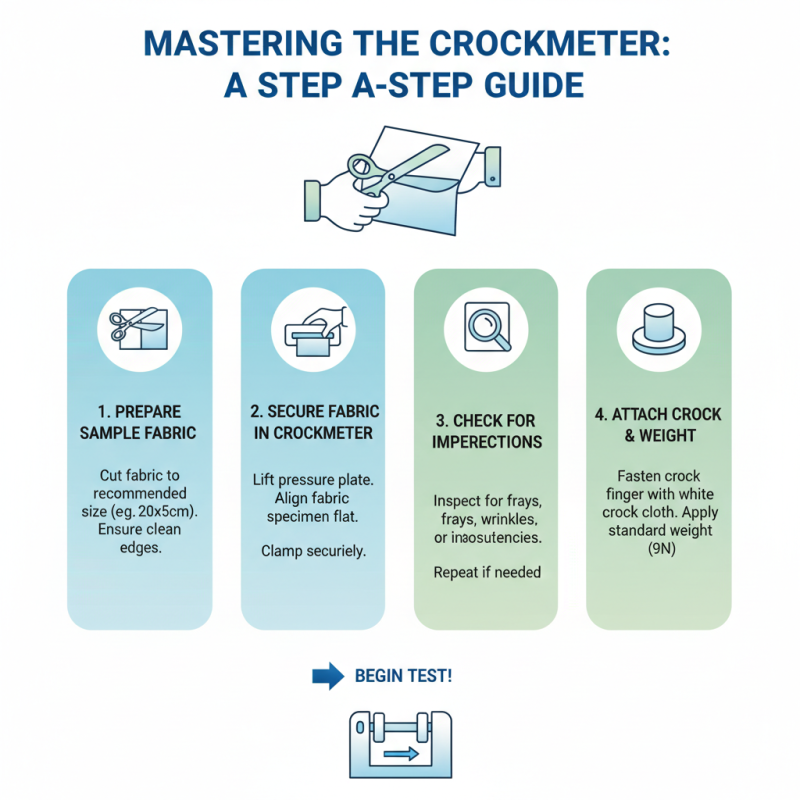
Operating a crockmeter for testing rubbing fastness can seem daunting. However, with a clear step-by-step guide, you can master it. Start by preparing your sample fabric. Cut it to the recommended size, ensuring precision. Place it securely in the crockmeter. Attention to detail is crucial during this step. Check for any fabric frays or inconsistencies. These could affect your results.

Next, set the machine at the desired pressure and speed. It’s essential to follow the specifications for your material. Many users overlook this part, leading to inaccurate outcomes. A common mistake is to rush the preparation. Take your time to inspect everything. Once you begin the test, monitor the process closely. Note any unusual sounds or movements. These could signal needing adjustments.

After completing the test, carefully evaluate the color transfer on the white cloth. This step requires patience and a keen eye. It’s easy to miss subtle differences. Document your findings thoroughly. If results are inconsistent, reflect on your method. Identifying what went wrong can greatly enhance future tests. Improving the way you operate the crockmeter takes practice and dedication.

Interpreting Results and Ensuring Accurate Rubbing Fastness Assessments

When using a crockmeter for rubbing fastness testing, understanding the results is crucial. A proper interpretation helps in assessing fabric durability under friction. The test measures color transfer from the fabric onto a white cloth. Analyze the color change on both materials. A significant difference indicates poor fastness.

Tip: Ensure that the test fabrics are clean and dry. Any contaminants can affect results. Repeat the test if results seem inconsistent.

Consider the environment where the test is conducted. Humidity and temperature can alter the outcome. If results vary in a humid room, it might be due to moisture affecting the fibers. Always record the conditions under which you conduct the test for future reference.

Tip: Use a consistent pressure during testing. Too much pressure may wear out the fabrics, while too little may not provide reliable results. Pay attention to detail in every test for the best accuracy.

Rubbing Fastness Assessment Results