Unlocking Quality: The Essential Role of Textile Laboratory Testing Equipment in Sustainable Fashion
In the quest for sustainable fashion, the role of Textile Laboratory Testing Equipment has become increasingly vital. According to a report by the Global Fashion Agenda, the fashion industry is responsible for significant environmental impacts, including producing over 92 million tons of waste annually. This staggering statistic underscores the necessity for robust testing and quality assurance in textile production. Effective laboratory testing not only ensures compliance with environmental regulations but also enhances the durability and performance of fabrics, ultimately reducing waste. Furthermore, a study from the International Textile and Apparel Association highlights that incorporating high-quality testing equipment can lead to a 30% reduction in material waste during production. By prioritizing the use of advanced Textile Laboratory Testing Equipment, the fashion industry can foster innovative practices that align with sustainability goals, paving the way for a more responsible future.
The Importance of Textile Testing in Sustainable Fashion
Textile testing plays a pivotal role in advancing sustainable fashion, as it ensures that materials are not only of high quality but also meet environmental and ethical standards. As the industry shifts towards more sustainable practices, the importance of rigorous laboratory testing becomes evident. Through comprehensive testing, fashion brands can validate the sustainability claims of their textiles, verify compliance with ethical certifications, and ultimately foster transparency within the market. This proactive approach not only builds consumer trust but also supports brands in making informed decisions that prioritize environmental and social responsibility.
Moreover, the rise of ethical fashion certifications is closely tied to the efficacy of textile testing. As consumers increasingly seek to align their purchasing decisions with their values, brands that prioritize chemical safety, resource efficiency, and low environmental impact are gaining traction. Testing equipment that evaluates these factors is essential for brands aiming to attain such certifications. In the backdrop of global movements towards sustainability, including India’s opportunity to highlight sustainable fashion at the G20, the meticulous examination of textiles emerges as a critical element in shaping a responsible and resilient fashion industry.
Unlocking Quality: The Essential Role of Textile Laboratory Testing Equipment in Sustainable Fashion
This chart illustrates the importance of various textile testing methods in ensuring quality and sustainability in the fashion industry.
Key Laboratory Equipment for Ensuring Fabric Quality
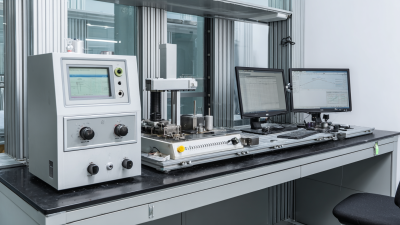
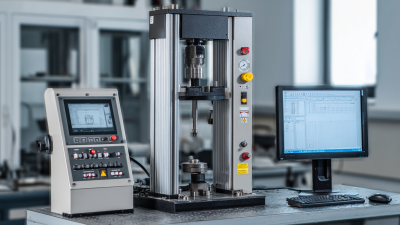
Quality assurance in textile production is a cornerstone of sustainable fashion. Key laboratory equipment plays an essential role in evaluating fabric properties, ensuring that each material meets the standards necessary for durability, safety, and environmental impact. Instruments such as tensile testers, colorfastness testers, and fabric weight scales are vital in this process. These tools help textile manufacturers consistently deliver products that not only satisfy consumer expectations but also minimize waste and resource consumption.
**Tip:** Invest in multi-functional testing equipment to save space and improve efficiency in the lab. Equipment that can perform multiple tests can help streamline operations and reduce costs.
Moreover, adopting advanced technologies such as automated testing machines can further enhance precision in quality control. These systems provide quick feedback, allowing manufacturers to address issues promptly, which is critical in upholding sustainability standards. By using such innovative tools, fashion brands can better align their production processes with eco-friendly practices, fostering a more sustainable future for the industry.
**Tip:** Regularly calibrate your testing equipment to ensure accuracy and reliability in your results, helping to maintain high-quality standards in your products.
Unlocking Quality: The Essential Role of Textile Laboratory Testing Equipment in Sustainable Fashion
| Testing Equipment |
Purpose |
Key Features |
Importance in Sustainable Fashion |
| Fabric Strength Tester |
Determines fabric strength and durability |
Tensile strength measurement, real-time data |
Ensures long-lasting materials, reducing waste |
| Color Fastness Tester |
Evaluates resistance to fading |
Standardized light, wash, and rub tests |
Helps maintain color integrity, reducing re-dyeing emissions |
| Pilling Tester |
Measures tendency to form pills on fabric |
Controlled abrasion conditions |
Improves product quality, promoting longer wear |
| Moisture Management Tester |
Assesses moisture absorption and release |
Quantifies moisture transfer rates |
Enhances comfort and performance of sustainable textiles |
| Flame Resistance Tester |
Tests material's effectiveness against fire |
Standardized flammability tests |
Ensures consumer safety in sustainable textiles |
Digital Innovations Transforming Textile Testing Processes
The realm of textile laboratory testing is undergoing significant transformation thanks to digital innovations. Advanced technologies such as artificial intelligence (AI) and machine learning are revolutionizing the way textiles are assessed for quality and sustainability. These digital tools enable quicker and more accurate analysis, allowing manufacturers to identify potential issues before products reach the market. For instance, AI-driven predictive analytics can forecast the performance of fabrics under various conditions, thereby enhancing the efficiency of the product development cycle.
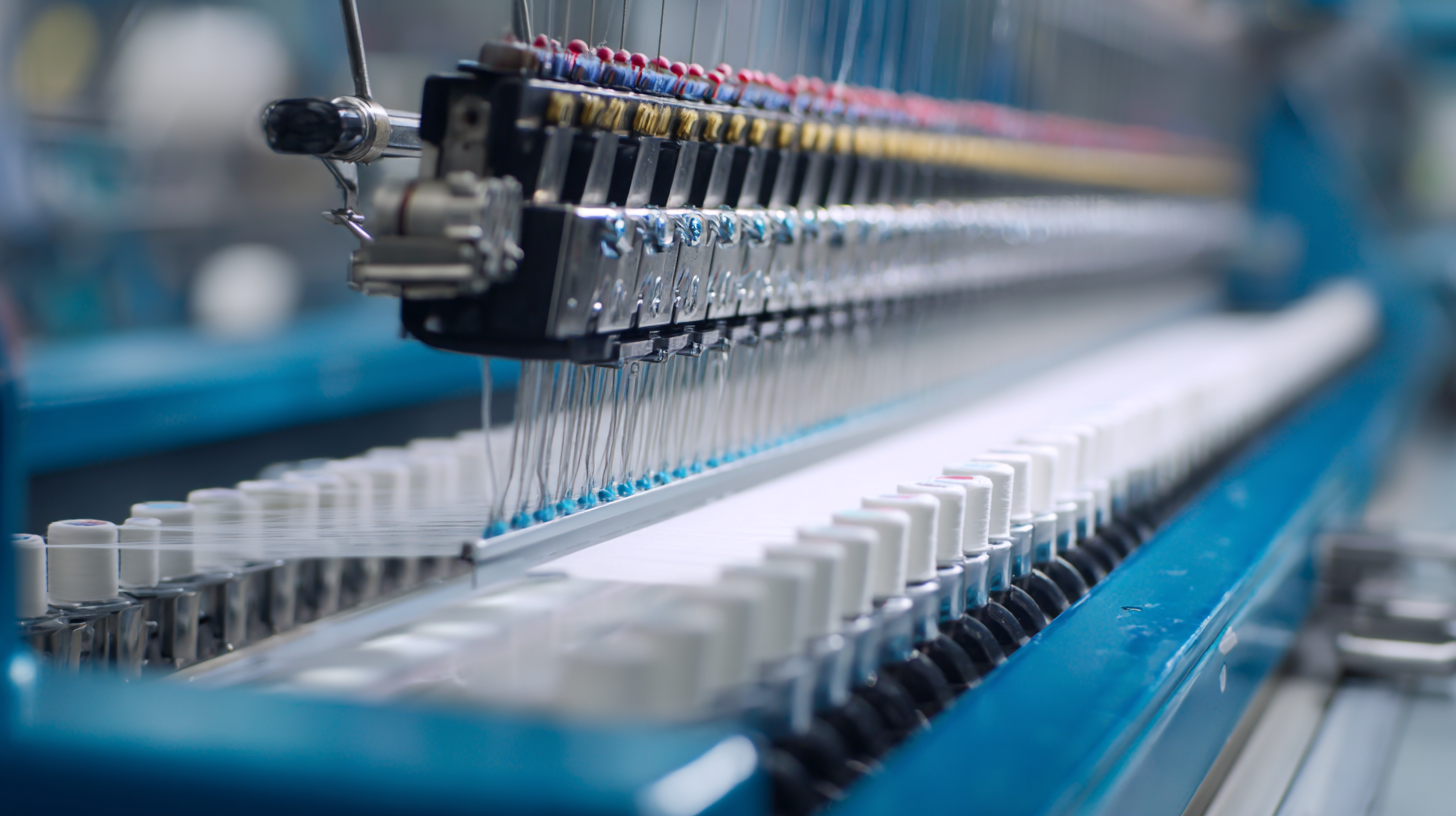
Moreover, the incorporation of IoT (Internet of Things) devices in textile testing labs provides an unprecedented level of data collection and monitoring. These smart devices can continuously assess parameters such as tensile strength and colorfastness, offering real-time feedback to designers and engineers. This not only speeds up the testing process but also fosters an environment of continuous improvement, aligning with the goals of sustainable fashion.
As brands increasingly prioritize eco-friendly practices, the integration of digital technologies into textile testing stands as a crucial development, ensuring that the materials used are both high-quality and environmentally responsible.
Tips for Choosing the Right Testing Equipment for Sustainable Fabrics
When selecting testing equipment for sustainable fabrics, it is crucial to consider the specific properties you need to measure. Depending on the type of fabric—be it organic cotton, recycled polyester, or biodegradable materials—different tests may be necessary to evaluate their durability, eco-friendliness, and overall quality. For instance, tensile strength testers can assess how much stress a fabric can withstand, while colorfastness testers ensure that dyes do not bleed over time, vital for maintaining the integrity of sustainable fashion.
Another important factor is the calibration and maintenance of the equipment. Regularly calibrated devices not only provide accurate results but also help to meet international testing standards, which is essential for brands aiming for credibility in sustainable practices. Additionally, consider the ease of use and the availability of support from manufacturers. Investing in user-friendly equipment can streamline the testing process, allowing fashion brands to focus more on design and innovation while ensuring that their materials meet high sustainability benchmarks.
The Role of Standards in Textile Testing for Eco-Friendly Fashion
The role of standards in textile testing is paramount for the promotion of eco-friendly fashion. Establishing clear and measurable standards helps ensure that textile products meet specific environmental and safety criteria. These standards guide manufacturers in selecting sustainable materials, promoting transparency in sourcing, and encouraging responsible production practices.
Consistent evaluation through standardized testing not only enhances the quality of textiles but also reinforces consumer confidence in purchasing eco-conscious products.
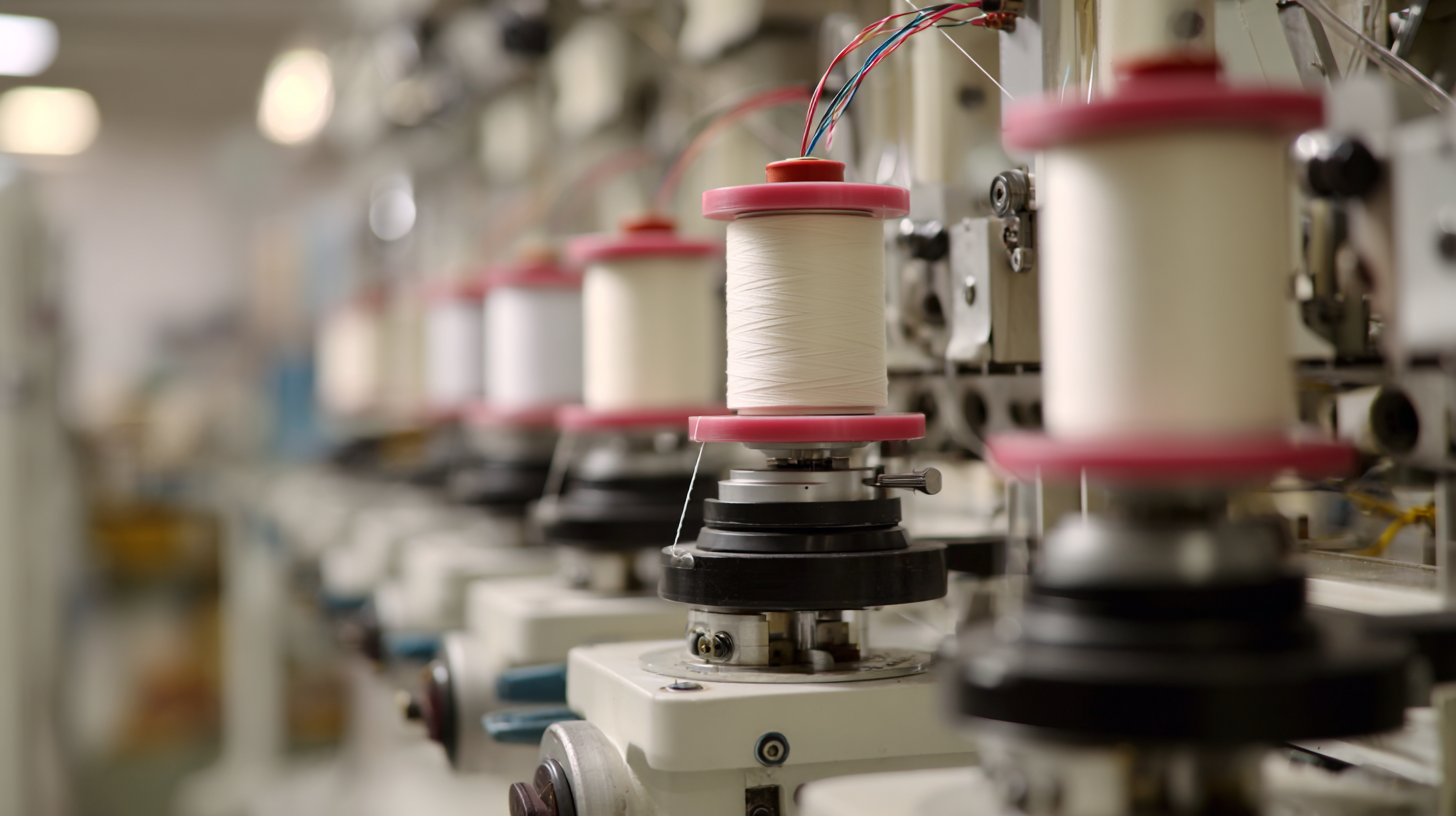
Furthermore, adherence to recognized testing standards plays a critical part in minimizing environmental impact. By subjecting textiles to rigorous assessments, brands can identify harmful substances, ensure compliance with regulations, and reduce waste associated with subpar products. Standards serve as benchmarks for innovation, leading to the development of new materials that are both sustainable and durable. As the fashion industry increasingly shifts towards sustainability, the integration of standardized textile testing becomes essential in fostering an environmentally responsible future while maintaining quality and safety in the fabric supply chain.





 Home
Home