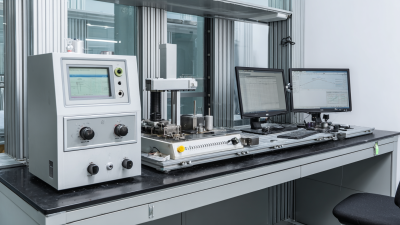
What is Textile Laboratory Equipment and Its Importance in Fabric Testing?
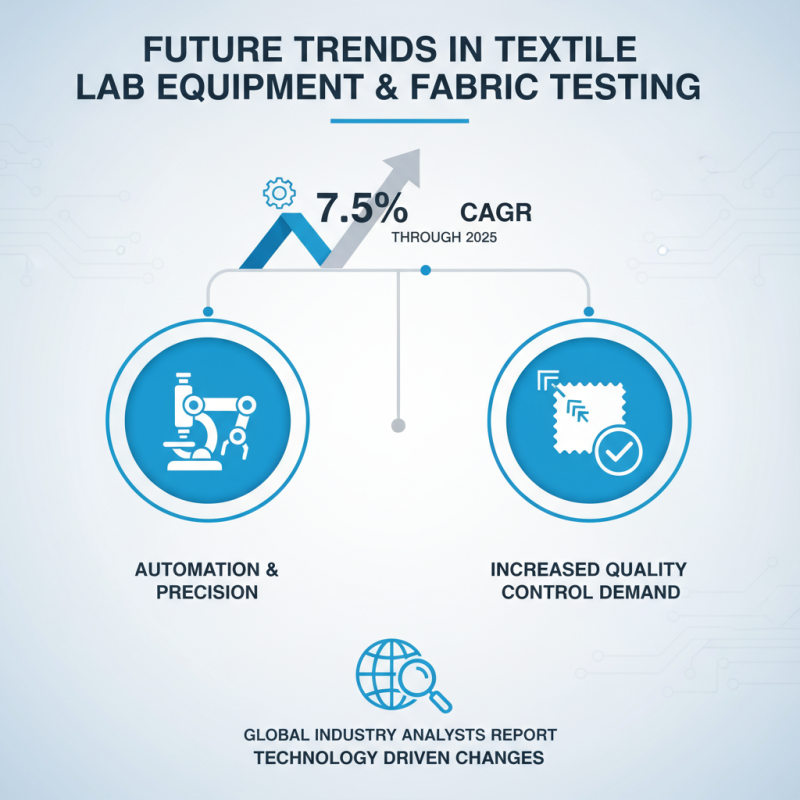
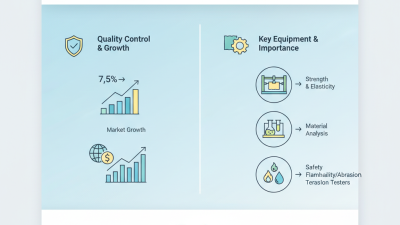
Textile Laboratory Equipment plays a crucial role in the fabric testing industry. It ensures that textiles meet specific quality standards before reaching consumers. According to a report by Research and Markets, the global textile testing market is projected to reach USD 1.7 billion by 2026. This growth is driven by an increasing demand for quality assurance in textiles.
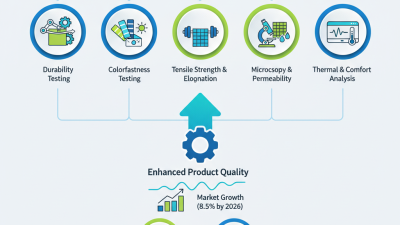
Fabric testing involves various procedures, including tensile strength and colorfastness assessments. Proper equipment is necessary for accurate results. For instance, a colorfastness tester can reveal how well a fabric retains its color when exposed to light. However, not all labs are equipped with the latest technology, which may lead to inconsistent results.
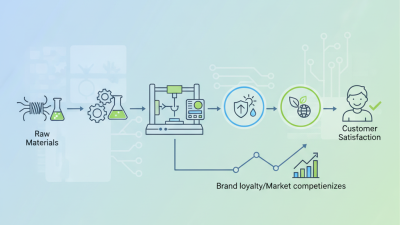
Quality control failures can impact brands and consumers alike. A study by the Textile Research Journal highlighted that 30% of textile defects are linked to inadequate testing. This statistic emphasizes the importance of reliable Textile Laboratory Equipment. Investing in sophisticated testing tools is essential for maintaining high standards in fabric production and ensuring consumer satisfaction.
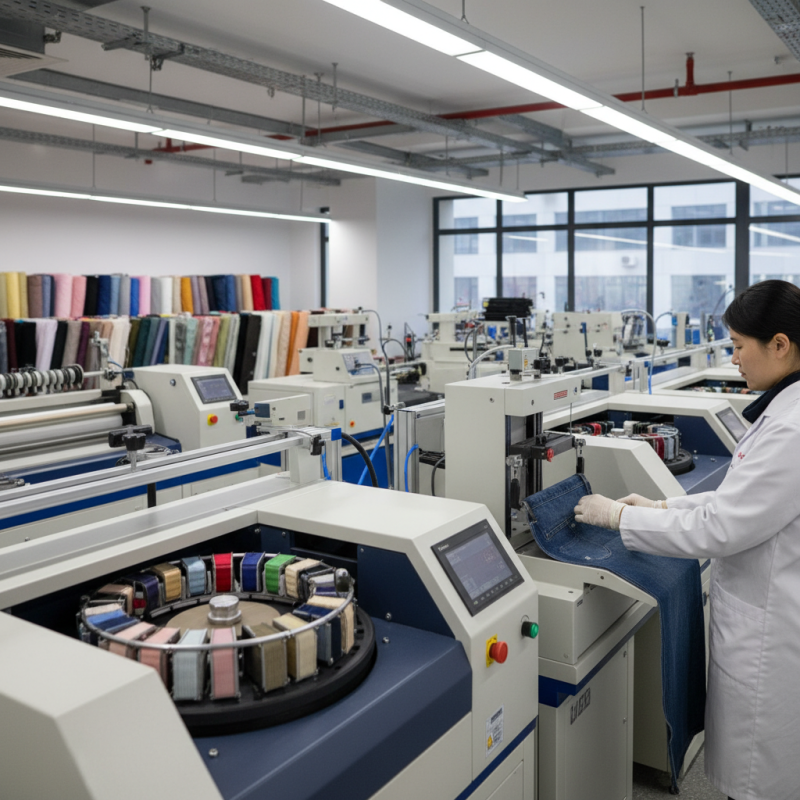
What is Textile Laboratory Equipment?
Textile laboratory equipment plays a crucial role in assessing fabric properties. It encompasses a range of tools designed for testing durability, colorfastness, and fabric strength. Accurate measurements are essential for quality control in textile production. According to the Textile Institute, improper fabric evaluation can lead to costly defects, impacting both consumer satisfaction and brand reputation.
Effective testing begins with understanding the right tools. Fabric testers, tensile testers, and colorfastness testers are among the most vital equipment. They ensure that textiles meet industry standards. For instance, a report by the International Textile Manufacturers Federation noted that 70% of defects in woven fabrics arise from insufficient testing. This underlines the importance of reliable equipment.
Tips: When selecting laboratory equipment, consider the specific tests required. Prioritize tools that provide consistent and reliable results. Regular maintenance of testing devices is also essential. It ensures accuracy and longevity.
In conclusion, while many laboratories invest in advanced equipment, not all use them effectively. Continuous training for staff on proper procedures can dramatically enhance test quality. The effectiveness of textile testing directly reflects the reliability of the entire production process.
What is Textile Laboratory Equipment and Its Importance in Fabric Testing?
| Equipment Name |
Purpose |
Key Features |
Standards Compliance |
| Tensile Testing Machine |
Measures fabric strength and elongation |
Digital display, programmable settings |
ASTM D5034, ISO 13934 |
| Color Fastness Tester |
Evaluates color stability under different conditions |
Automatic wash cycle, multiple testing options |
AATCC 61, ISO 105 |
| Bursting Strength Tester |
Determines the bursting strength of fabrics |
Automated pressure control, digital readout |
ASTM D3786, ISO 13938 |
| Washability Tester |
Assesses fabric durability when washed |
Programmable wash cycles, temperature control |
AATCC 135, ISO 105 C06 |
| Thickness Gauge |
Measures the thickness of fabric |
Digital readout, high precision |
ISO 5084, ASTM D1777 |
Types of Textile Laboratory Equipment Used in Fabric Testing
Textile laboratory equipment plays a crucial role in fabric testing. Various instruments help assess the quality and performance of textiles. These tools ensure that materials meet industry standards and customer expectations.
One common type of equipment is the tensile testing machine. This device measures the strength and elongation of fabrics. It helps determine how much a material can stretch before breaking. Another important tool is the color fastness tester, which evaluates how well fabrics retain their color when exposed to light or washing. This is vital for maintaining quality in finished garments.
Microscopic analysis equipment is also essential. It allows experts to scrutinize fiber structures and detect flaws. The use of spectrophotometers is common too. They measure fabric color and help ensure uniformity across batches. Each piece of equipment has its challenges, and understanding their limitations is key. Testing procedures can sometimes yield mixed results, requiring careful interpretation. This intricate blend of machinery ensures textiles are reliable and suitable for diverse applications.
Importance of Fabric Testing in Quality Control
Fabric testing plays a crucial role in quality control within the textile industry. Testing ensures that fabrics meet specific standards, promoting durability and performance. Each fabric type has unique characteristics that require careful evaluation. By assessing tear strength, colorfastness, and abrasion resistance, manufacturers can identify potential weaknesses early in the production process.
Inadequate testing can lead to significant issues down the line, such as product recalls or customer dissatisfaction. It is vital to develop a comprehensive testing protocol that aligns with industry standards. However, many companies overlook this important step, focusing instead on cost-cutting. This can undermine the trust consumers place in their products.
Reliable textile laboratory equipment supports accurate testing. Instruments such as tensile testing machines and wash tests are essential for assessing fabric quality. Yet, not every lab has access to state-of-the-art technology. Some laboratories struggle with outdated equipment or insufficient training. This presents a challenge to consistent quality control. Regular audits and updates to testing methods can help bridge these gaps.
Standard Testing Methods and Protocols in Textile Labs
Textile laboratory equipment plays a vital role in assessing fabric quality. Various standard testing methods are employed to ensure textiles meet specific performance criteria. Common tests include tensile strength, abrasion resistance, and colorfastness. Each method serves a unique purpose and requires precise equipment to deliver accurate results.
In practice, adhering to standard protocols can be challenging. Laboratories must maintain equipment regularly, yet wear and tear can affect the accuracy of tests. Mistakes in following protocols can lead to unreliable data. Therefore, staff must be trained rigorously. Knowledge of both equipment and testing methods is essential for consistent results.
Collaboration among textile professionals enhances the reliability of test results. Sharing insights from different laboratories can improve practices. Real-world applications of testing reveal that varying environmental factors can impact fabric performance, making it crucial to consider these variables in testing phases. Continuous adaptation and reflection on methodologies improve the overall reliability of textile testing.





 Home
Home