Why Fabric Testing Machines Matter for Quality Control?
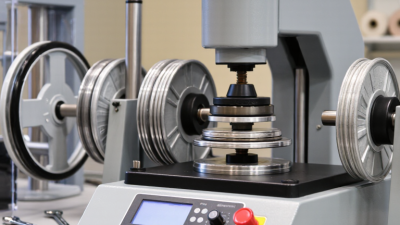
Quality control in textile production depends on evidence, not appearance alone. A fabric may look smooth under factory lighting, yet fail after repeated washing, stretching, or abrasion. This is where a Fabric Testing Machine becomes essential. It turns hidden weaknesses into measurable data.
In a working laboratory, technicians may test tensile strength, tear resistance, bursting strength, colorfastness, and fabric thickness. Each result helps manufacturers compare materials, adjust production settings, and reduce inconsistent batches. A calibrated machine also supports repeatable testing across different operators and production sites. Reliable measurements can guide decisions before defective fabric reaches customers.
Small details matter.
For example, a loose clamp can distort a tensile result. Incorrect conditioning can change moisture-sensitive readings. These problems are easy to overlook, even in experienced teams. Testing equipment cannot replace professional judgment. It strengthens that judgment when technicians follow suitable methods, maintain records, and review unexpected results. Standards from recognized organizations, such as ISO or ASTM, can provide useful frameworks, but they still require careful application.
The process is not flawless. Samples may not represent an entire roll, and laboratory conditions may differ from real use. That gap deserves attention. Effective quality control combines machine data, trained personnel, documented procedures, and honest review. When used responsibly, a Fabric Testing Machine supports stronger products, clearer supplier communication, and more dependable textile performance. It protects quality before problems become expensive.
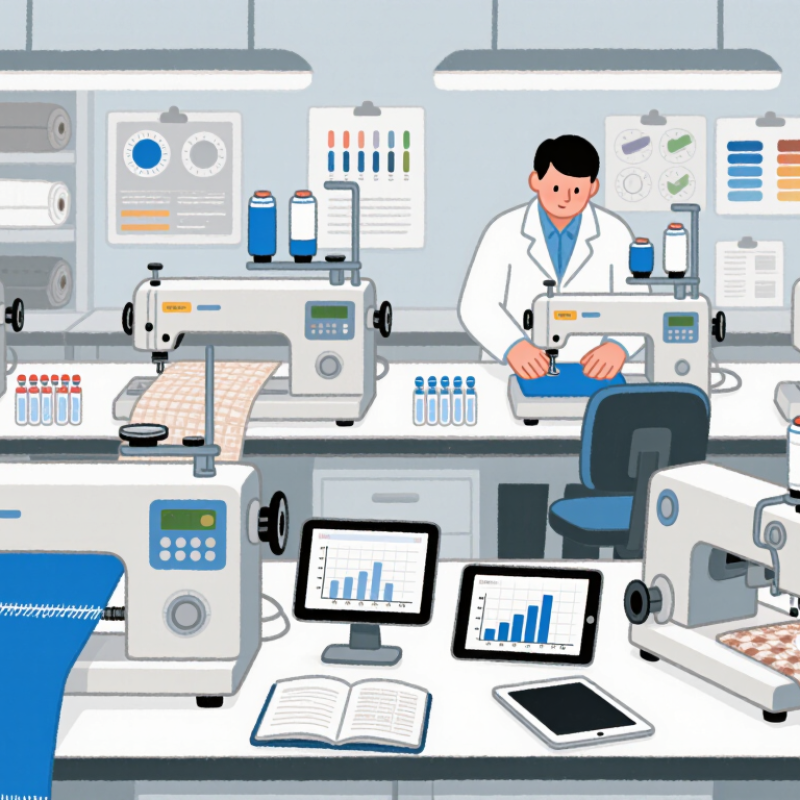
Role of Fabric Testing Machines in Quality Control
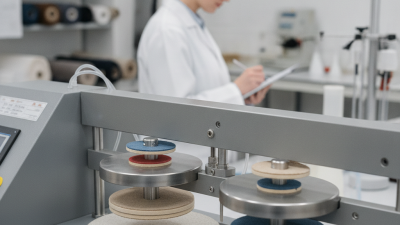
Fabric testing machines play a central role in quality control because they turn textile performance into measurable evidence. In a textile laboratory, technicians can test tensile strength, tear resistance, abrasion, color fastness, and fabric thickness. These results reveal weaknesses that visual inspection often misses. A seam may look secure, yet the fabric can fail after repeated pulling.
Their role extends beyond a single pass-or-fail result. Testing machines help manufacturers compare raw materials, monitor production changes, and verify consistent fabric performance. Technicians should follow recognized testing methods and record temperature, humidity, specimen size, and test speed. Small differences can affect the outcome. Accurate records support traceability when customers question a shipment.
Calibration matters greatly. A poorly maintained load cell may produce confident but incorrect readings. I have seen operators repeat a test without checking clamping pressure, creating misleading data. The machine was not the only problem; the procedure needed review. Experienced technicians inspect specimens, remove damaged samples, and repeat unusual results carefully. Still, no instrument removes every uncertainty. Fabric structure varies across rolls, and human handling can influence results. That imperfection deserves attention.
Regular maintenance, staff training, and independent verification strengthen reliability. Digital reports can also expose trends, such as declining abrasion resistance during a production run. Quality teams can then investigate yarn selection, finishing conditions, or machine settings before more fabric is affected. Testing becomes practical evidence, not merely paperwork.
Why Fabric Testing Machines Matter for Quality Control?
Reliable fabric test results depend on controlled conditioning before measurement. ISO 139 specifies a standard atmosphere of 20 ± 2 °C and 65 ± 4% relative humidity, while the tropical atmosphere is 27 ± 2 °C and 65 ± 5% relative humidity.
Fabric testing machines help convert controlled test conditions into repeatable measurements such as tensile strength, elongation, thickness, abrasion resistance, and fabric mass. Maintaining the correct temperature and humidity reduces variation caused by moisture regain and supports more consistent quality decisions.
Reference: ISO 139, Textiles — Standard atmospheres for conditioning and testing.
Key Properties and Performance Metrics They Measure
Fabric testing machines turn vague quality claims into measurable evidence. This matters as global fiber production expands. Textile Exchange’s 2024 Materials Market Report recorded approximately 124 million metric tonnes in 2023. More material also means more opportunities for hidden failures.
Tensile testing measures the force required to break fabric, often under ASTM D5034 procedures. Tear testing reveals how a small cut may spread during use. Abrasion machines simulate repeated rubbing at collars, seats, and bag edges. Pilling testers count surface fuzz after controlled friction. Small details matter. A fabric can feel soft in the hand yet fail after 10,000 rubs.
Colorfastness testing checks whether washing, perspiration, or light causes visible fading or staining. ISO 12945 methods help assess pilling, while AATCC TM61 evaluates accelerated laundering performance. Shrinkage measurements compare marked dimensions before and after washing. Moisture management tests examine absorption, spreading, and drying time. These figures guide production decisions, not just laboratory records. Still, no machine perfectly reproduces a child’s playground, a worker’s uniform, or months of uneven washing. That limitation deserves attention. Good quality control combines calibrated equipment, trained technicians, repeat tests, and honest review of unusual results.
Testing Procedures, Standards, and Result Evaluation
Fabric testing matters because production scale leaves little room for guesswork. Textile Exchange’s 2024 Materials Market Report estimates global fiber production reached 124 million tonnes in 2023. It projects nearly 160 million tonnes by 2030. Each roll needs measurable evidence, not visual confidence.
A practical procedure starts by conditioning specimens under controlled temperature and humidity. Technicians then record fabric mass, thickness, width, and construction.
Tensile, tear, bursting, abrasion, pilling, colorfastness, and dimensional-change tests should match the product’s intended use.
ISO 139 defines standard atmospheres for textile testing. ISO 13934-1 supports strip-method tensile testing. ISO 105-C06 evaluates colorfastness during laundering. Sampling should cover different rolls and fabric zones. One attractive swatch is not enough.
Results become useful when acceptance limits and methods are clearly documented. Reports should include raw values, averages, variation, specimen direction, and rejected readings. ISO 12947 abrasion results may look acceptable, yet seam stress can still cause early failure.
Small differences can mislead. Measurement uncertainty deserves attention. Control charts can reveal process drift before customer complaints increase.
A test machine may be accurate, but the decision can remain weak when sampling is uneven. Real evaluation also considers sweat, heat, repeated washing, and rough handling. Laboratory data should meet field evidence, even when the comparison exposes an uncomfortable gap.
How Test Data Supports Manufacturing and Quality Improvement
Fabric testing machines matter because test data turns vague quality claims into measurable decisions.
In production, a small moisture change can alter tensile strength, shrinkage, or color performance. A calibrated tensile tester records force, extension, and break point under controlled conditions. Operators can compare rolls, suppliers, and process shifts using the same evidence.
This is practical quality control, not paperwork. Textile Exchange’s Materials Market Report 2024 estimates global fiber production reached 124 million tonnes in 2023. At that scale, even a modest defect rate creates substantial waste and rework.
Test data helps teams locate variation before finished garments leave the factory.
Data also supports manufacturing improvement.
A laboratory report can reveal whether tighter knitting, slower drying, or different finishing conditions improve performance. Trend charts expose recurring failures, such as seam slippage after repeated washing. Engineers can adjust settings and verify results through another test cycle.
The ITMF Global Textile Industry Survey 2024 identified weak demand and cost pressure as major industry concerns. Under pressure, testing protects material use and production time. It also supports traceability when customers question a batch.
The equipment is not automatically reliable. Poor calibration, uneven specimens, and rushed conditioning can produce confident but wrong numbers. That weakness deserves attention.
Staff need documented methods, reference samples, and regular verification. Results should connect with machine settings, lot numbers, and environmental conditions.
A short test record can prevent a long investigation. Still, data needs judgment. A fabric may pass strength testing yet feel harsh, pill quickly, or fail during real wear.
Combining instrument results with washing trials and user feedback creates a more honest improvement loop.





 Home
Home