Why Are Fabric Testing Instruments Essential for Quality Control?
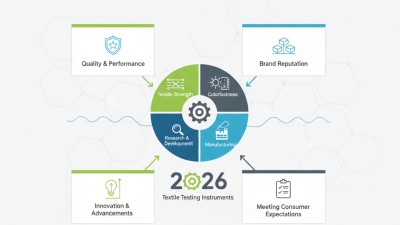
In the world of textiles, quality control is paramount. Fabric Testing Instruments play a crucial role in ensuring that materials meet required standards. These tools assess various properties such as strength, durability, and colorfastness. Accurate testing helps manufacturers avoid costly errors.
Every fabric has unique characteristics that demand precise evaluation. Without proper instruments, discrepancies may go unnoticed until it’s too late. This can lead to failures in production and dissatisfied customers. Manufacturers often underestimate the complexity of fabric behavior under different conditions.
Relying on Fabric Testing Instruments enhances reliability in the industry. However, not all devices produce consistent results. Regular calibration and maintenance are essential to uphold their effectiveness. It is vital to reflect on testing practices and improve areas that may be lacking. Continuous learning and adaptation can further ensure quality control in fabric production.
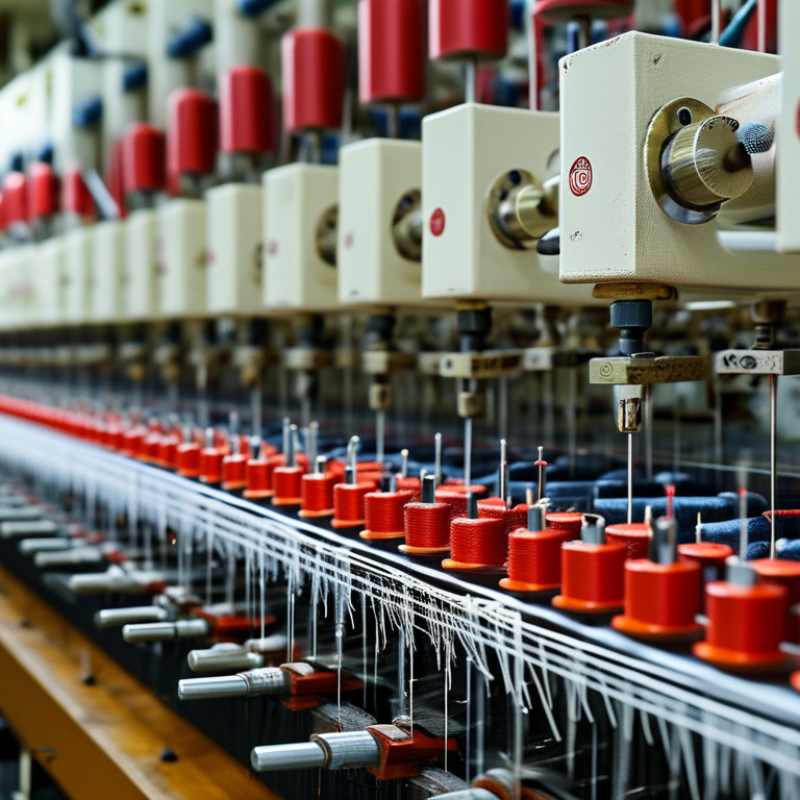
The Importance of Quality Control in Fabric Production
Quality control is crucial in fabric production. It ensures that materials meet specific standards and perform well in various applications. Each fabric type has unique requirements. A cotton fabric might need breathability, while a polyester fabric focuses on durability. Without strict quality control, the final product may fail to meet customer expectations.
Testing instruments play a vital role in this process. They help identify defects early on. A simple flaw can lead to larger issues later. Imagine a batch of fabric with weak seams; it could mean returns and lost customers. Regular testing can prevent such scenarios. It’s not just about meeting specifications; it’s also about building trust with clients.
Nevertheless, the fabric testing process is not perfect. Some issues may slip through the cracks. Factors like human error or outdated technology can lead to oversight. Continuous improvements in testing methods are necessary. Embracing innovation can enhance accuracy and reliability in quality control measures.
Why Are Fabric Testing Instruments Essential for Quality Control? - The Importance of Quality Control in Fabric Production
| Test Type |
Purpose |
Key Metrics |
Importance in Quality Control |
| Tensile Strength Test |
Measures the force required to break the fabric |
Force (N), Elongation (%) |
Ensures durability and resistance to tearing |
| Fabric Weight Test |
Determines the weight of the fabric per unit area |
Weight (g/m²) |
Influences production cost and end-use performance |
| Color Fastness Test |
Assesses color stability under various conditions |
Rating Scale (1-5) |
Prevents color bleeding and maintains aesthetic quality |
| Shrinkage Test |
Measures fabric dimension changes after laundering |
Shrinkage Percentage (%) |
Ensures consistency and fit after washing |
| Pilling Resistance Test |
Evaluates the tendency of fabric to form pills |
Pilling Rating (1-5) |
Maintains fabric appearance and consumer satisfaction |
Defining Fabric Testing Instruments and Their Roles
Fabric testing instruments play a pivotal role in quality control within the textile industry. These instruments are specifically designed to measure properties such as tensile strength, color fastness, and fabric weight. According to the latest industry report, improper testing can lead to material failures, impacting consumer safety and brand reputation. Therefore, implementing standardized testing methods is crucial.
One key aspect of fabric testing instruments is their ability to provide reliable data. For instance, a well-calibrated tensile tester can determine the exact breaking point of a fabric, ensuring it meets safety standards. A staggering 40% of fabric defects are attributed to inadequate testing procedures. This statistic emphasizes the necessity of these tools in the production process. However, not all manufacturers prioritize proper testing, leading to market vulnerabilities.
Moreover, fabric testing helps in maintaining consistency across batches. When designers implement rigorous quality checks, they can avoid fluctuating product standards. Some reports suggest that 30% of fabric used in production does not pass standard tests, indicating a need for improvement. Adopting fabric testing instruments can bridge this gap, fostering trust and reliability in the textile industry. In an era where sustainability is vital, such testing ensures less waste and better resource management.
Key Types of Fabric Testing Instruments Used in the Industry
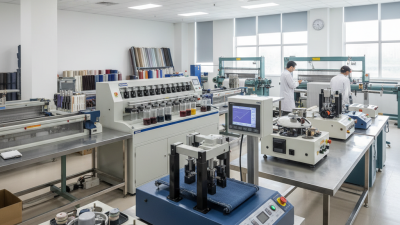
Fabric testing instruments play a crucial role in ensuring quality control in the textile industry. These instruments help manufacturers evaluate the properties of fabrics, which can affect both performance and consumer satisfaction. Various types of fabric testing instruments are used, each designed to assess specific characteristics of textiles.
One key instrument is the tensile strength tester. This device measures how much force a fabric can withstand before breaking. According to a report by the Textile Institute, fabrics with higher tensile strength are more durable and suitable for heavy-duty applications.
Another essential tool is the colorfastness tester. It evaluates how well a fabric retains its color when exposed to elements like washing and sunlight. The American Association of Textile Chemists and Colorists (AATCC) emphasizes that colorfastness is critical for maintaining product integrity.
Tips: Regularly calibrate testing instruments to ensure accuracy. Inaccurate readings can lead to poor quality fabrics. Also, conducting tests on different fabric batches can help identify inconsistencies.
Another important instrument is the pilling tester, which measures how fabrics resist the formation of small balls of fluff. This is critical for maintaining a professional appearance over time. A study by the Fiber Society suggests that fabrics with lower pilling rates tend to have better consumer ratings. Manufacturers should prioritize these tests to enhance their reputation and reduce returns.
Tips: Invest in training for staff members using these instruments. Proper technique is essential for reliable results. Understanding the limitations of each test can also guide manufacturers in making better choices.
Benefits of Using Fabric Testing Instruments for Quality Assurance
Fabric testing instruments play a crucial role in ensuring quality assurance within the textile industry. These devices assess various properties of fabrics, such as strength, durability, and colorfastness. Reliable testing helps manufacturers detect defects early, preventing costly rework and product returns.
Utilizing fabric testing instruments boosts confidence in product quality. A simple test can reveal a lot about how a fabric will perform over time. For instance, tensile strength tests determine how much stress a fabric can withstand before breaking. This information is vital for creating durable clothing and upholstery. Additionally, colorfastness tests ensure that dyes don’t bleed during washing, maintaining the fabric's appearance.
However, reliance on testing instruments is not without its challenges. Calibration errors can lead to inaccurate results. Occasionally, fabric might pass tests but still fail in real-world conditions. This shows the need for continuous improvement in testing methodologies. Relying solely on one type of test can be limiting, prompting the need for a more holistic approach to quality assurance.
Challenges and Best Practices in Fabric Testing and Quality Control
In the realm of fabric testing and quality control, challenges abound. Many manufacturers struggle with inconsistencies in fabric properties. This issue can lead to significant quality variations in products. For instance, some fabrics may not meet strength requirements, while others might show unexpected wear after a short period. Testing for factors like color fastness and tensile strength is vital. However, the complexity of these tests can overwhelm less experienced teams.
Best practices in fabric testing involve clear protocols and proper training. Teams must understand how to interpret test results accurately. It's essential to establish a reliable process that minimizes errors. Regular calibration of testing instruments ensures accurate measurements over time. Moreover, documenting tests thoroughly helps in identifying patterns and making informed decisions. Although it's easy to overlook these details, doing so increases the risk of poor product quality.
Industry experts emphasize the importance of a systematic approach. Yet, some manufacturers may find it hard to stick to these established practices. Continuous improvement is necessary, even with an experienced team. Learning from past mistakes can build a stronger foundation for quality control. Ultimately, recognizing the challenges and addressing them can lead to more consistent and reliable fabric performance.
Fabric Testing Instruments Usage in Quality Control





 Home
Home