How to Choose the Best Tensile Strength Machine for Your Needs?
Choosing the right Tensile Strength Machine is crucial for various industries. According to Dr. Emily Thornton, an expert in materials testing, "The right machine can make all the difference in quality control." When selecting a Tensile Strength Machine, understanding your specific needs is essential. Different materials require different testing capabilities.
Consider the primary features that matter most for your application. Does the machine accommodate your material types? Are the load capacities sufficient? Focus on the technology, as advancements can lead to more accurate results. Many users overlook calibration and support services, which can affect long-term usage.
Selecting a Tensile Strength Machine is not always straightforward. The wrong choice can lead to inconsistent data. This inconsistency can ultimately impact product quality. Therefore, investing time in research and understanding your requirements is critical. It's a decision that demands careful consideration and expertise.
Understanding Tensile Strength and Its Importance in Material Testing
Understanding tensile strength is essential in material testing. It measures how much force a material can withstand while being stretched. This property is crucial in ensuring the safety and reliability of materials in various applications. According to ASTM International, testing tensile strength helps predict how materials behave under stress. This is vital in industries like construction, aerospace, and automotive.
When choosing a tensile strength machine, consider accuracy and range. A capable machine should handle various materials, from metals to polymers. According to industry reports, machines capable of testing up to 300,000 psi are ideal for most applications. However, budget constraints may limit equipment options. Often, users must weigh costs against long-term needs.
Tips: Understand testing standards. Research ASTM and ISO requirements. Ensure your machine aligns with industry specifications. Also, regular calibration of your tensile strength machine is necessary. This maintains accuracy and reliability in results. Many overlook this aspect, risking future discrepancies in material quality.
Material Tensile Strength Comparison
Types of Tensile Strength Machines Available in the Market
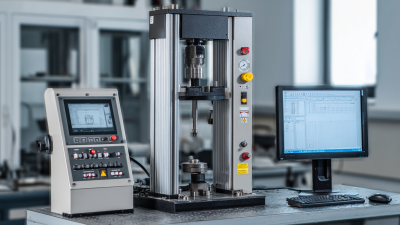
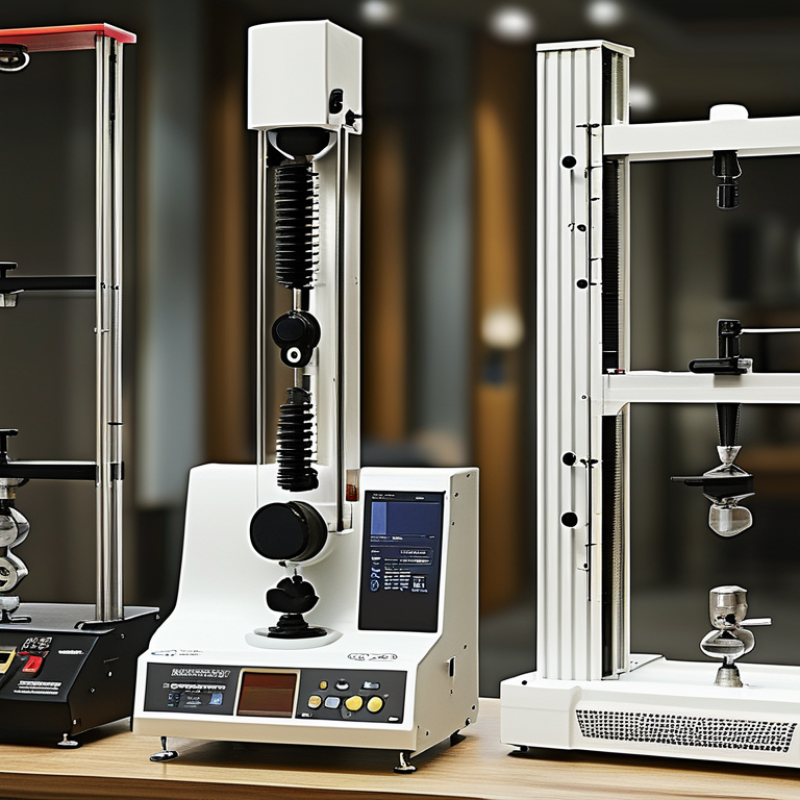
When selecting a tensile strength machine, it's crucial to understand the types available in the market. The three primary categories are universal testing machines, portable tension testers, and specialized machines for specific materials. Universal testing machines are versatile. They handle various materials such as metals, plastics, and textiles. This versatility makes them a popular choice in many industries.
Portable tension testers are compact and easy to use. They are ideal for field testing. According to a recent report by TechSci Research, the demand for portable machines is increasing. This is because they offer flexibility for on-site testing in construction and manufacturing. Specialized machines, however, focus on specific material types like composites or rubber. They deliver accurate readings tailored to unique properties.
The key is to match the machine's capabilities with your testing requirements. Not every machine suits every material type. For instance, a universal machine may not provide the precision needed for sensitive materials. Consider the machine's specifications, such as load capacity and accuracy. Investing in a suitable machine can reduce errors and save costs in the long run.
How to Choose the Best Tensile Strength Machine for Your Needs?
| Machine Type |
Capacity (kN) |
Testing Speed (mm/min) |
Features |
Application |
| Electromechanical Tensile Tester |
500 |
1-500 |
High precision, digital display |
Material testing, quality control |
| Hydraulic Tensile Tester |
1000 |
0.1-100 |
High force capacity, robust |
Heavy materials, construction |
| Universal Testing Machine |
250 |
5-500 |
Multi-functional, adaptable |
Polymers, metals, textiles |
| Tabletop Tensile Tester |
50 |
2-200 |
Compact, user-friendly |
Small parts, labs |
| Tensile Test Machine for Plastics |
300 |
1-300 |
Specialized for plastic materials |
Plastics, composites |
Key Features to Look for in a Tensile Strength Machine
When choosing a tensile strength machine, several key features can make a significant difference. First, look for the load capacity. A machine should support the material types you'll test. This ensures accurate results without damage. Pay attention to the measurement accuracy as well. Precision is crucial when evaluating material properties. Machines that offer greater accuracy often result in more reliable data.
Another important feature is the user interface. An intuitive design improves the overall testing experience. Clear displays and easy navigation reduce the chances of errors during operation. Consider choosing models that allow for customization. This feature can help accommodate various materials and testing requirements. While some machines may appear user-friendly, they can lack depth in functionality and features.
Lastly, examine the data analysis capabilities. Robust software options are essential for detailed reporting. These tools enhance your ability to make informed decisions based on test outcomes. However, not all software is created equal. Some may have a steep learning curve. Therefore, ensure you are comfortable with the systems before committing to a purchase.
Evaluating Your Specific Testing Needs and Requirements
When evaluating your specific testing needs, it is crucial to consider the type of materials you will be working with. For instance, metals, polymers, and composites each have unique tensile properties. According to the ASTM International standards, different materials require tailored testing methodologies. Understanding these requirements shapes the machine's specifications, such as load capacity and precision.
Another vital aspect is the expected testing frequency. If you're conducting routine quality control, a machine with higher durability and faster testing cycles is preferable. The Market Research Future report indicates that tensile testing equipment demand is expected to grow by 6% annually. However, the results may vary based on machine performance and the operator's expertise. This highlights the need for training and understanding of machine operation, underscoring an often-overlooked factor in machine selection.
Budget constraints also play a significant role. High-end machines offer advanced features but may not be necessary for all applications. It’s essential to balance performance with cost-effectiveness. Research from the International Society for Testing and Materials emphasizes that investing in appropriate technology is vital, yet it is equally important to reassess ongoing needs and adjust accordingly.
Comparing Pricing and Quality for Value-Based Decision Making
Choosing the right tensile strength machine can be challenging. Pricing and quality are key factors to consider. A higher price often indicates better quality but not always. It’s vital to assess what you actually need versus what you’re paying for. Sometimes, features may not justify a significant price hike.
Evaluate machines based on their specifications. Look for durability and precision. Reliable brands may offer warranties or customer support. These aspects contribute to their value. Remember, a cheaper machine might compromise on performance. This could lead to frequent replacements or costly repairs down the line.
Examine user reviews and expert opinions for insights. Collecting feedback from others who have used the machines can save you from potential pitfalls. Finding the balance between cost and functionality is crucial. Don’t rush your decision. Take your time to reflect on which machine best meets your specific needs.





 Home
Home