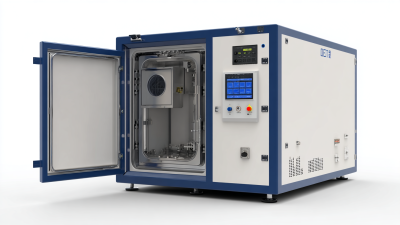
2026 How to Choose the Best Temperature And Humidity Test Chamber?
Choosing the right Temperature And Humidity Test Chamber is essential for precise environmental testing. These chambers simulate various conditions, ensuring that products endure real-world scenarios. With numerous options on the market, understanding specific needs can be challenging.
Selecting a suitable chamber involves key factors. First, consider your testing requirements, including temperature range and humidity levels. Each application demands different features, which can significantly impact outcomes. Recognizing these details will lead to better performance.
Additionally, reliability is crucial. Only the best manufacturers provide durable equipment backed by solid expertise. Test chambers should comply with industry standards. Seek certifications that indicate quality and reliability. This careful approach helps avoid costly errors in your testing processes. Selecting wisely ensures that you achieve accurate results consistently.
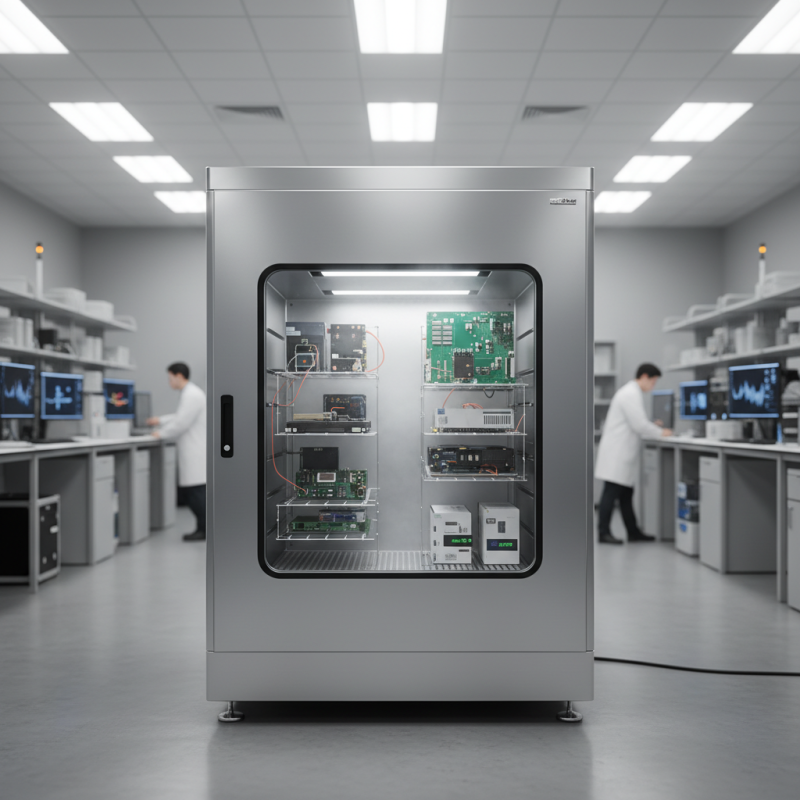
Understanding Temperature and Humidity Test Chambers: A Comprehensive Overview
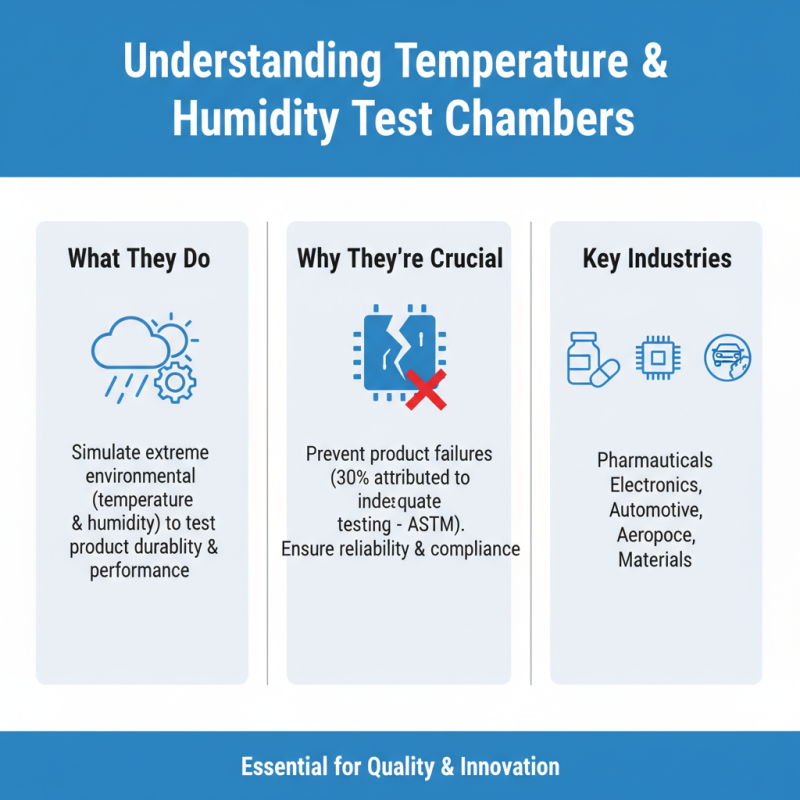
Temperature and humidity test chambers play a crucial role in various industries, from pharmaceuticals to electronics. They simulate environmental conditions to test product durability and performance. According to a report by the American Society for Testing and Materials (ASTM), approximately 30% of product failures can be attributed to inadequate environmental testing. This highlights the necessity for reliable chambers that meet specific standards and regulations.
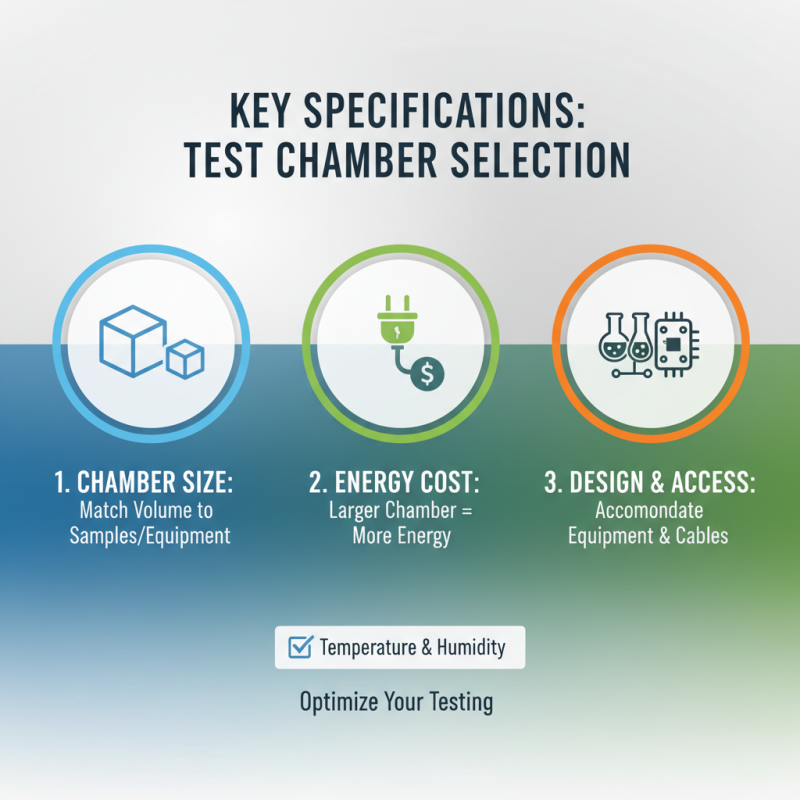
When selecting the right test chamber, consider factors such as temperature range, humidity control, and chamber size. Most chambers operate efficiently within a temperature range of -70°C to +180°C and can maintain humidity levels from 10% to 95%. However, achieving precise control can be challenging. An ideal chamber should provide stable conditions over extended periods. Inconsistent humidity or temperature can skew results, leading to misleading conclusions.
It’s essential to analyze your testing requirements and the specifications of various chambers. Some models may not perform well at varying conditions, resulting in data inconsistency. A thorough evaluation of user reviews and expert recommendations can uncover potential pitfalls in chamber performance. Understanding technical specifications is paramount to making an informed decision in this critical field.
Industry Standards: Ensuring Compliance with ASTM and IEC Norms
When selecting a temperature and humidity test chamber, adhering to industry standards is crucial. Compliance with ASTM and IEC norms ensures that your testing processes are reliable and accurate. These standards set guidelines for performance, safety, and reliability, fostering trust in your results. They help assess the durability of products across various environments. Understanding these requirements can significantly impact the decision-making process.
Tips: Always check that the test chamber meets necessary certifications. This verification guarantees compliance with relevant industry standards.
Investing time in studying ASTM and IEC guidelines can help avoid costly mistakes. For instance, testing a product under non-compliant conditions could lead to false data. While it may seem tedious, this diligence pays off in the long run. Anytime you feel uncertain, consult with professionals who have experience in compliance testing. Their expertise can illuminate complex requirements.
Using a chamber that does not align with these standards may compromise your product’s integrity. Be mindful of the potential repercussions. Acknowledging imperfections in your understanding of these norms can help refine your testing approach. Continuous education on compliance standards is essential in this evolving field.
Evaluating Performance: Importance of Calibration and Accuracy in Testing
Calibration and accuracy are critical in temperature and humidity testing. These elements ensure the results reflect real-world conditions. Without proper calibration, even the best chambers could provide misleading data. Regularly checking and adjusting the settings can make a significant difference.
A precise chamber should mimic environmental conditions for accurate testing. Fluctuations can cause discrepancies that impact results. For example, if humidity is underestimated, materials may not perform as expected. Each test should be closely monitored to identify any unexpected changes. Calibration should be seen as an ongoing process, not a one-time event.
Reliability stems from consistent performance. A reliable chamber supports valid conclusions that can guide product development. However, the challenge lies in maintaining this accuracy amidst changing conditions. Users must regularly engage in self-assessment. They must question if their practices are sufficient. Recognizing areas for improvement leads to better testing outcomes.
Cost-Benefit Analysis: Choosing Between Standard and Custom Test Chambers
Choosing the right temperature and humidity test chamber involves a thoughtful cost-benefit analysis. Many companies are faced with the decision between standard and custom chambers. Standard chambers can meet basic needs, but they may not address specific requirements. Reports indicate that 40% of testing issues arise from using inadequate chambers. This highlights the importance of having the correct specifications.
Custom test chambers, while often pricier, provide tailored solutions. They can significantly enhance testing accuracy. A survey revealed that 65% of organizations found custom chambers more beneficial in complex testing scenarios. Flexibility is a key advantage. However, the initial investment can be daunting. This requires careful financial evaluation and strategic planning.
Maintenance costs also play a role. Standard chambers typically have lower upkeep costs. Custom-designed options may require specialized support. Companies must weigh the potential for savings against performance gains. The choice ultimately hinges on testing accuracy, long-term usability, and total expenditure.
2026 How to Choose the Best Temperature And Humidity Test Chamber? - Cost-Benefit Analysis: Choosing Between Standard and Custom Test Chambers
| Chamber Type |
Temperature Range (°C) |
Humidity Range (%) |
Capacity (L) |
Approx. Cost (USD) |
Suitability |
| Standard Test Chamber |
-20 to 60 |
10 to 95 |
100 |
$10,000 |
Basic testing needs |
| Custom Test Chamber |
-40 to 80 |
5 to 98 |
500 |
$25,000 |
Advanced testing applications |
| Walk-in Test Chamber |
-10 to 70 |
20 to 75 |
1000 |
$50,000 |
Large samples & personnel access |
| Compact Test Chamber |
-10 to 60 |
20 to 85 |
30 |
$5,000 |
Small-scale testing |





 Home
Home