How to Choose the Best Fabric Testing Machine for Your Needs?
Choosing the right Fabric Testing Machine is crucial for ensuring quality in textile production. Different fabrics require different testing methods. Understanding these nuances helps in making an informed decision.
When considering a Fabric Testing Machine, you must assess your specific needs. Think about the types of materials you will test. Each fabric has distinct properties that influence its performance. For instance, stretchy fabrics require different tests than woven fabrics.
Additionally, look into the machine’s specifications. Consider factors like reliability and precision. A reputable machine can minimize errors in your testing process. However, remember that high-cost machines don’t always guarantee the best results. Reflect upon your requirements carefully. Finding the right balance between budget and functionality is essential for effective fabric testing.
Understanding Different Types of Fabric Testing Machines and Their Uses
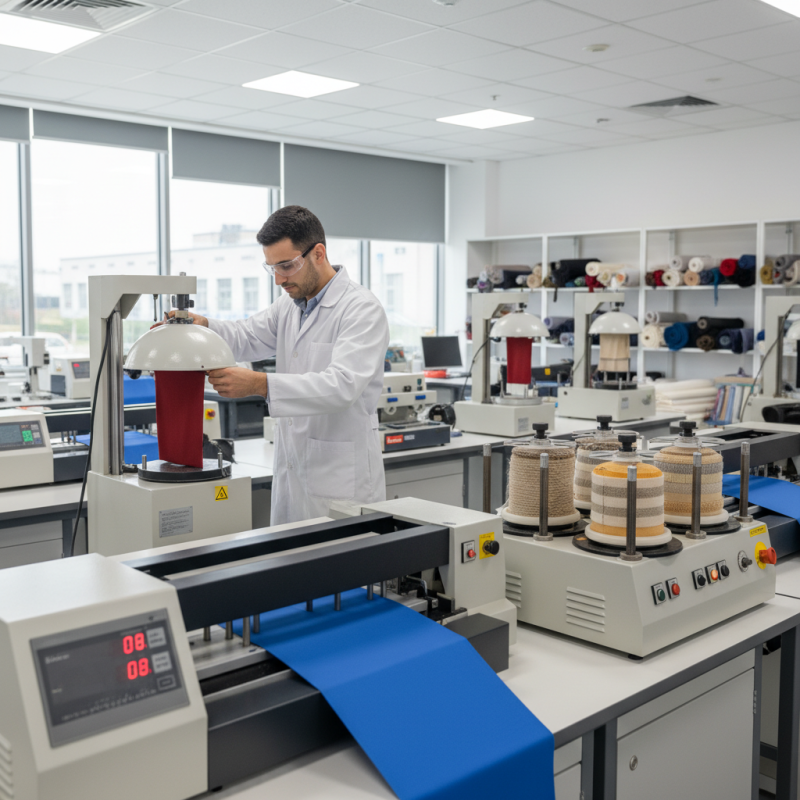
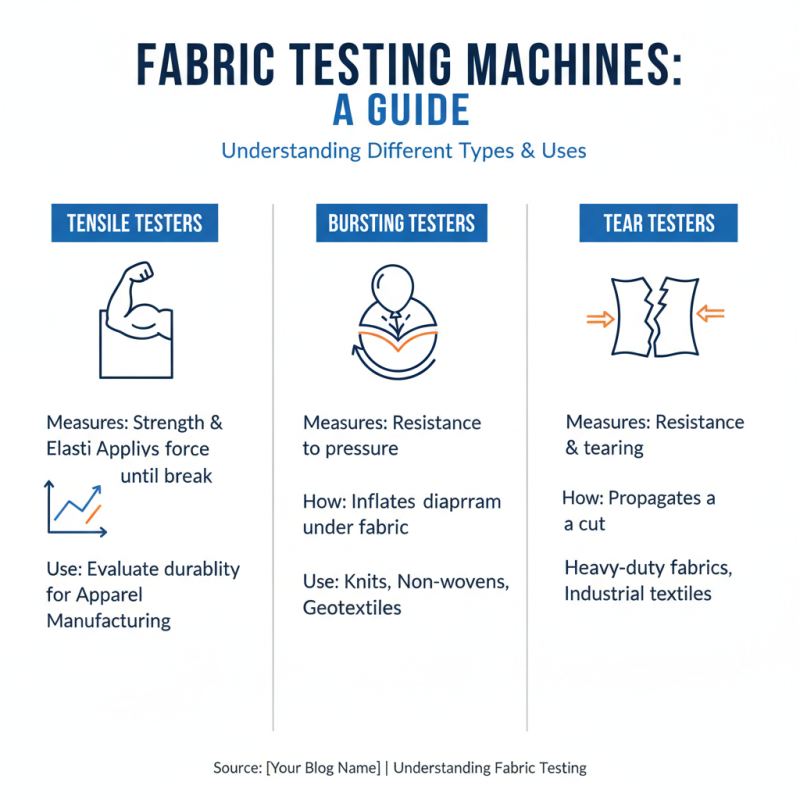
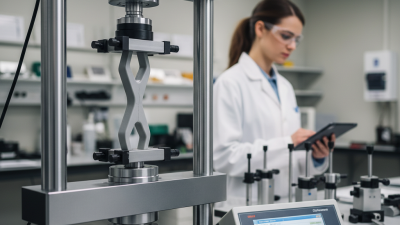
When selecting a fabric testing machine, understanding the different types available is crucial. There are tensile testers that measure the strength and elasticity of materials. These machines use precise sensors to gauge how much force a fabric can withstand before it breaks. They help in evaluating the durability of textiles, often used in apparel manufacturing.
Another type is the pilling tester, which assesses the fabric's resistance to wear and tear. This machine simulates friction to see how the fabric holds up over time. It is essential for textiles that will undergo frequent use. The results can show designers how a fabric will age and remain appealing.
Moreover, colorfastness testers are pivotal for ensuring that dyes do not fade or bleed. These devices expose fabrics to different environmental conditions, like light or water. The findings are vital for quality control in the textile industry. Choosing the right machine requires careful consideration of your specific testing needs and the types of materials you are working with. Each machine serves a unique purpose and can influence the overall quality of the final product.
Key Specifications to Consider When Choosing a Fabric Testing Machine
Choosing the right fabric testing machine is crucial for quality assurance. Key specifications can impact your testing efficiency and accuracy. Start with testing standards compliance. Machines should meet ASTM and ISO guidelines. This ensures reliable results. According to industry reports, over 70% of fabric testing failures arise from inadequate testing methods.
Another vital specification is load capacity. The machine should handle the fabric thickness and weight you typically work with. Many testing machines operate under 10 kN load, which works for most applications. Ensure it meets your requirements. Data from several textile studies indicate that up to 65% of manufacturers use machines not suited for their specific fabric types.
When selecting a testing machine, consider versatility. A multifunctional device saves time and costs. This type of machine can conduct tensile, tear, and burst tests effectively. Yet, keep in mind that multifunctionality may lead to complications in some tests. Always prioritize the most crucial features first.
Tips: Always review the machine's user manual. Understanding operational limits is essential. Regular maintenance checks can prevent unexpected breakdowns. Look for machines that offer calibration options; this enhances accuracy. Don't shy away from seeking expert advice.
How to Choose the Best Fabric Testing Machine for Your Needs?
| Specification |
Details |
| Testing Type |
Tensile, Tear, Bending, Compression |
| Capacity |
Up to 1000 N |
| Measurement Accuracy |
± 1% of Reading |
| Sample Size |
150 mm x 50 mm |
| Display |
Digital LCD |
| Power Supply |
220V AC, 50Hz |
| Software Compatibility |
Windows 10, 11 |
| Weight |
50 kg |
| Warranty |
2 years |
Analyzing Industry Standards for Fabric Testing: A Guide
When choosing a fabric testing machine, understanding industry standards is crucial. These standards ensure the consistency and reliability of test results. Different industries might have varying requirements. For instance, the textile industry focuses on properties such as strength, durability, and colorfastness.
Industry standards like ASTM or ISO provide benchmarks for testing methods. Familiarizing yourself with these standards is vital for accurate measurement. They guide the selection of testing parameters and machine capabilities. Quantifiable results from these standards also help in compliance and quality control processes.
However, navigating these standards can be overwhelming. They are complex and often updated. It is essential to reflect on your specific needs. Not all machines will meet every standard, and sometimes, compromises are necessary. Engaging with experts or industry professionals can provide insights. Testing options may also require adaptation to fit your unique fabric samples.
Cost-Effectiveness of Fabric Testing Machines: Balancing Quality and Budget
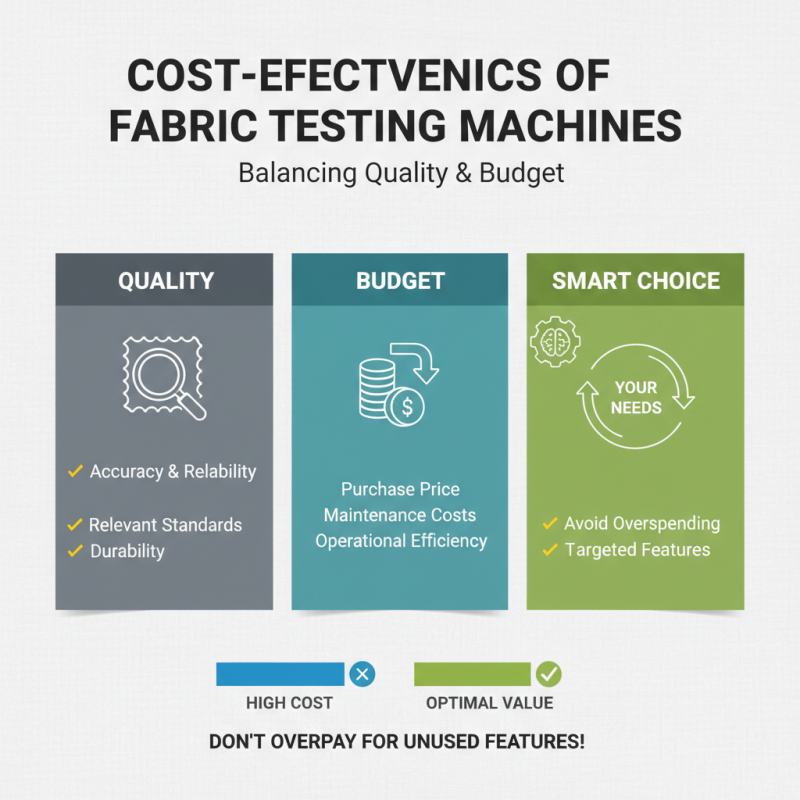
Choosing a fabric testing machine involves evaluating various factors, but cost-effectiveness is often the most pressing concern. It's essential to balance quality with budget constraints. An expensive machine doesn't always guarantee better results. Therefore, understanding your specific testing needs is crucial. This can help you avoid overspending on features you may not need.
Consider the types of tests you will perform. Different machines cater to different requirements, such as tensile strength or colorfastness. It’s common for businesses to invest heavily in advanced features, yet these may go unused. Reflect on your current processes and areas for improvement. Gathering input from your team can pinpoint what is truly necessary.
Additionally, explore options in the mid-range price category. They often offer a good mix of reliability and performance without breaking the bank. Take the time to read independent reviews and seek professional advice from industry experts. They can provide insights that lead to better purchasing decisions. Cost-effectiveness does not just mean the lowest price; it means value for money over time.
Importance of Calibration and Maintenance in Fabric Testing Equipment
Calibration and maintenance are critical to ensuring the accuracy of fabric testing equipment. Regular calibration helps in verifying the precision of the machines. According to industry reports, nearly 30% of testing errors stem from equipment miscalibration. This can lead to incorrect analysis of fabric properties, causing potential quality issues in production. It's essential to establish a routine that includes professional inspections and timely adjustments.
Maintaining fabric testing machines is equally crucial. Routine maintenance can prevent unexpected breakdowns. Research indicates that 40% of equipment replacement costs arise from inadequate upkeep. Regular cleaning, lubrication, and parts replacement are vital practices that extend the lifespan of these machines. The investment in maintenance pays off, as reliability improves, and testing results become more consistent.
Ignoring these practices may result in flawed testing, affecting the final product quality. Manufacturers need to reflect on their maintenance routines. A systematic approach to calibration and maintenance not only enhances accuracy but also builds trust with clients and partners. Fostering a culture of quality in fabric testing is essential for sustainable operations.
Fabric Testing Machine Performance Metrics





 Home
Home