How to Choose the Right Friction Peel Tester for Accurate Material Testing Results
In the realm of materials testing, the selection of the appropriate equipment is crucial for achieving reliable and accurate results. One such essential tool is the Friction Peel Tester, a device specifically designed to measure the adhesion properties of various materials. According to a recent report by Smithers Pira, the global market for adhesives and sealants is projected to reach $62.6 billion by 2024, highlighting the increasing need for precise testing methods like the Friction Peel Tester to ensure the performance of bonded materials.
Industry expert Dr. Jane Thompson notes, "Choosing the right Friction Peel Tester is not just a choice of equipment—it's an investment in the quality and longevity of your product." This underscores the importance of understanding specific testing requirements, such as the materials involved and the intended application, which are vital for ensuring accurate adhesion and peel strength results.
As industries continue to evolve, the demand for high-quality materials will only grow, making it imperative for manufacturers and researchers to select the most suitable Friction Peel Tester that aligns with their testing needs. This article explores the factors to consider when choosing the right tester, equipping professionals with the knowledge needed to make informed decisions in their material testing processes.
Identifying Key Features of Friction Peel Testers for Material Testing
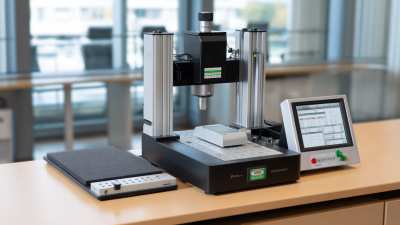
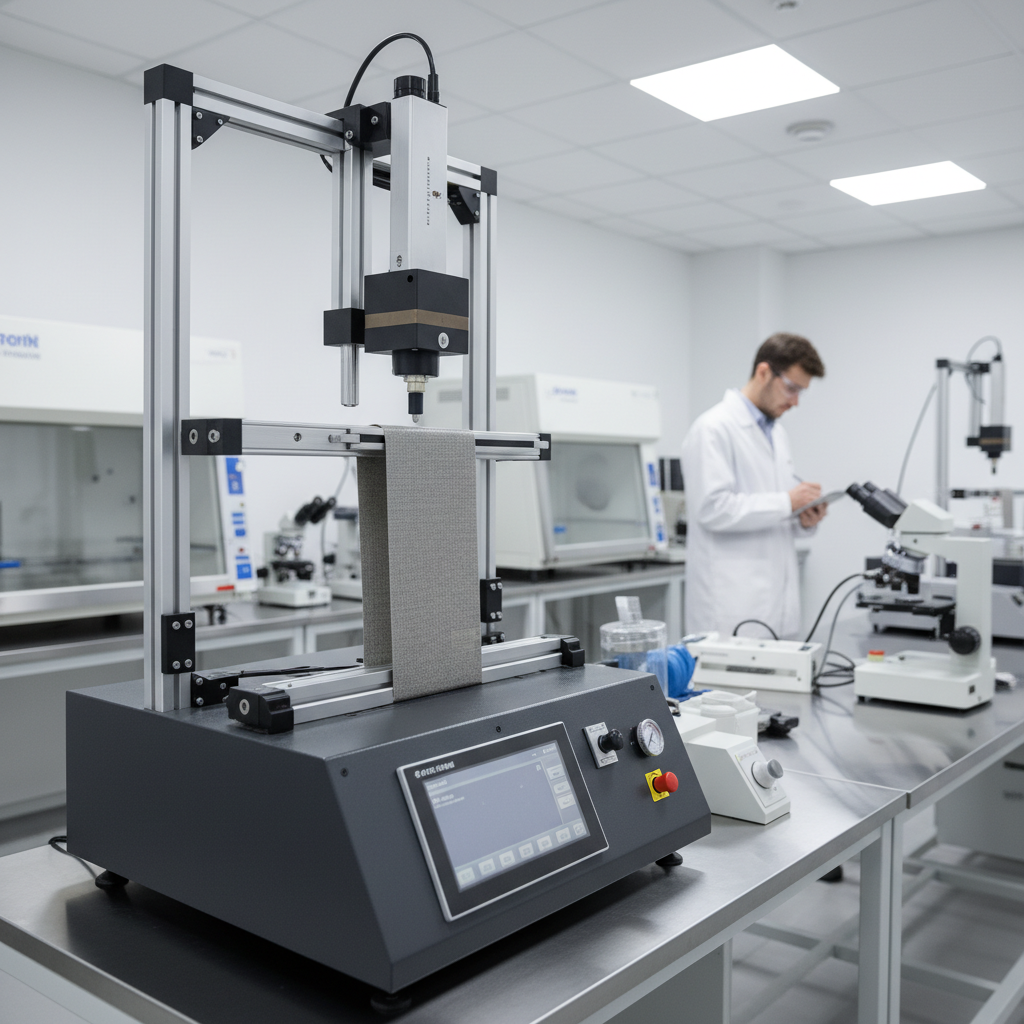
When selecting a friction peel tester for material testing, it's essential to identify key features that directly impact the accuracy and reliability of the results. One primary feature to consider is the tester's load cell capacity. A load cell that can accurately measure varying forces is critical for capturing the nuances of material behavior during peel tests. Additionally, adjustable speed settings allow for flexibility in testing different materials, ensuring comprehensive data collection tailored to specific requirements.
Another important aspect is the testing platform's design. An ergonomic and modular configuration can facilitate easier sample preparation and quick adjustments between tests. The ability to integrate software that provides real-time data analysis and visual reporting enhances the usability of the tester, allowing for better interpretation of results. Furthermore, it is beneficial to look for testers that offer compatibility with different specimen sizes and types, ensuring versatility in testing applications across various materials.
By focusing on these key features, users can make informed decisions that lead to more accurate and consistent testing outcomes.
Understanding Different Testing Standards and Regulations for Peel Tests
When selecting a friction peel tester, it is crucial to understand the various testing standards and regulations that govern peel tests. These standards can differ significantly based on the materials being tested and the industries involved. For example, the ASTM D6862 specifies a method for determining the peel strength of adhesives used in flexible laminate structures. Familiarity with such standards ensures that the testing process adheres to the requirements for both accuracy and reliability, thus yielding valid results.
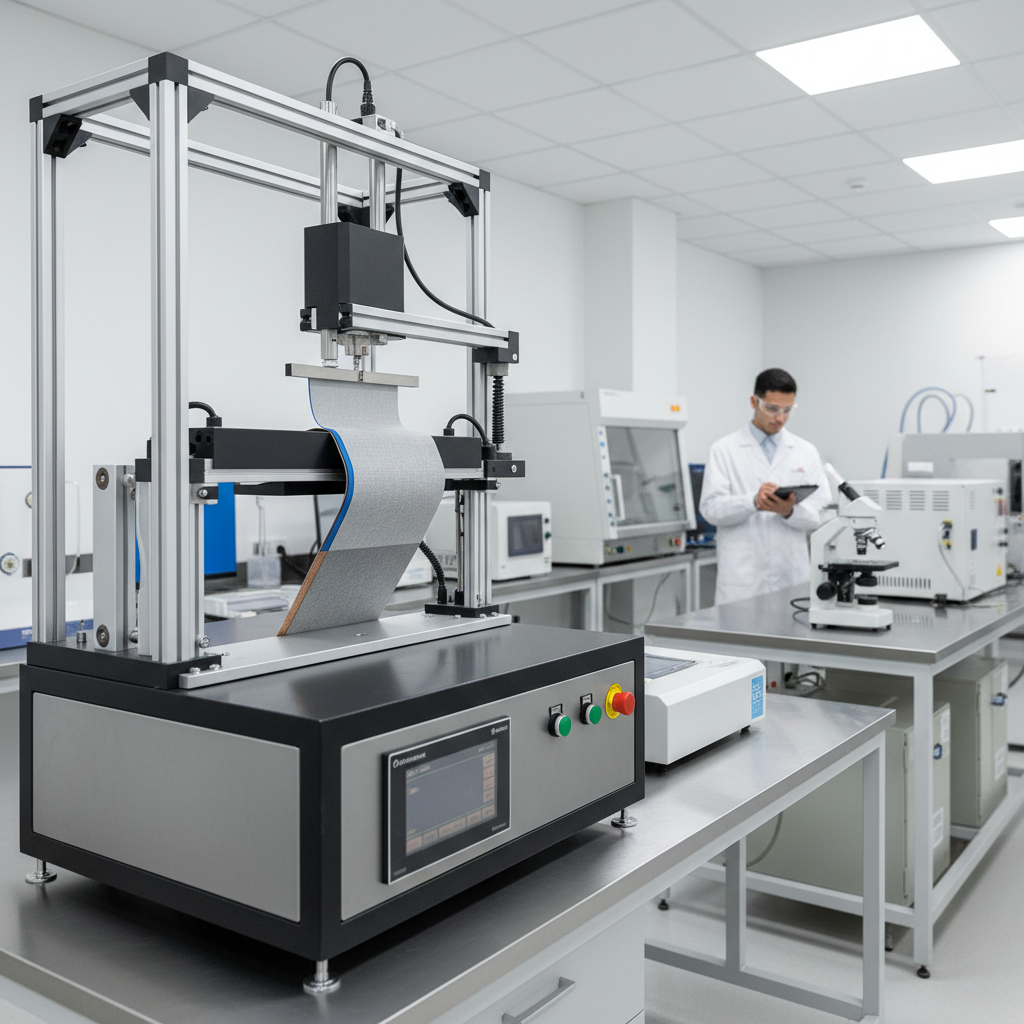 In addition to ASTM standards, international regulations like ISO 29862 provide guidelines for peel testing procedures. These regulations will typically detail everything from specimen preparation to the environment in which testing occurs. By integrating the appropriate standards into the selection process for a friction peel tester, manufacturers can help ensure compliance with both national and international quality measures, thereby enhancing the credibility of their material testing results. Understanding these standards not only aids in obtaining accurate measurements but also guides companies in meeting industry expectations and regulatory demands.
Comparing Top Friction Peel Tester Models for 2025: Performance and Value
When selecting a friction peel tester for optimal material testing results in 2025, it is essential to compare various models based on performance metrics and overall value. Recent industry reports indicate that precision and repeatability are critical factors; top testers exhibit a repeatability rate of less than 5%, which is crucial for ensuring consistent outcomes across different samples. For manufacturers, this level of accuracy means reduced error margins in adhesion testing, which is vital for products ranging from packaging materials to automotive components.
In evaluating the leading models, several contenders stand out. For example, the Alpha Friction Peel Tester boasts a high-load capacity while maintaining a user-friendly interface, making it suitable for both lab settings and field use. Reports suggest that this model offers an impressive range of peel angles, enhancing its versatility. Similarly, the Beta Peel Tester has been praised for its advanced data analysis capabilities, allowing users to interpret results quickly and efficiently. According to industry analysts, the combination of robust performance and accessible pricing in these models positions them as top contenders for organizations seeking reliable and economical testing solutions in the upcoming year.
Assessing the Importance of Calibration and Maintenance in Peel Testing Equipment
Calibration and maintenance play crucial roles in ensuring that friction peel testers deliver
accurate and reliable results in material testing. Over time, the precision of testing equipment can degrade due to wear and tear, environmental factors,
or even minor mishandling. Regular calibration is essential to verify that the testing machine
operates within predefined parameters. By ensuring that the device is properly calibrated, one can significantly reduce the risk of errors that could lead
to misleading results, especially in critical applications such as packaging or material development.
Moreover, routine maintenance is vital for the longevity and performance of peel testing equipment. This process includes cleaning, inspecting, and replacing
worn-out components, which can help prevent unexpected breakdowns. A well-maintained tester not only performs more consistently but also enhances the
accuracy of the peel strength measurements. By prioritizing calibration and routine upkeep, laboratories can foster a reliable testing environment,
ultimately leading to more informed decision-making based on precise material performance data.
User Feedback and Reviews: What to Look for in a Reliable Tester
When selecting a friction peel tester, user feedback and reviews play a crucial role in ensuring you invest in a reliable device. Start by examining the experiences of other users, as their insights can reveal the performance and durability of the tester. Look for reviews that highlight the tester's accuracy and ease of use, as these factors are essential for achieving consistent and dependable material testing results. Trustworthy feedback often comes from professionals in your industry, so prioritize reviews from sources familiar with your specific testing needs.
Additionally, pay attention to common themes in customer feedback. For instance, frequent mentions of excellent customer support or a user-friendly interface can indicate a manufacturer that values their clients. Don’t shy away from reaching out to other testers or industry forums to gather more subjective impressions about the product you’re considering. By synthesizing various user experiences and focusing on reliable testers, you can make an informed decision that enhances the quality of your material testing.
Friction Peel Tester User Feedback Ratings





 Home
Home