What Are the Best Textile Testing Equipment Options?
Textile testing is crucial for ensuring quality in the textile industry. High standards are necessary to maintain consumer trust. According to a recent industry report by MarketsandMarkets, the textile testing market is projected to reach $5.34 billion by 2025. This growth is fueled by increasing demand for quality assurance and compliance with regulations.
Choosing the right textile testing equipment is essential for manufacturers. It affects production efficiency and product reliability. Various equipment options are available, like tensile testers and color fastness testers. Each type serves a unique purpose. However, not all equipment is created equal. Manufacturers must consider factors like accuracy, durability, and ease of use.
Despite the advancements in technology, some challenges remain. Equipment can be costly, and not all labs have access to the latest tools. Additionally, the calibration of these machines requires skilled personnel. Thus, investing in quality textile testing equipment is not just about compliance, but also about long-term sustainability and brand reputation.
Overview of Textile Testing Equipment
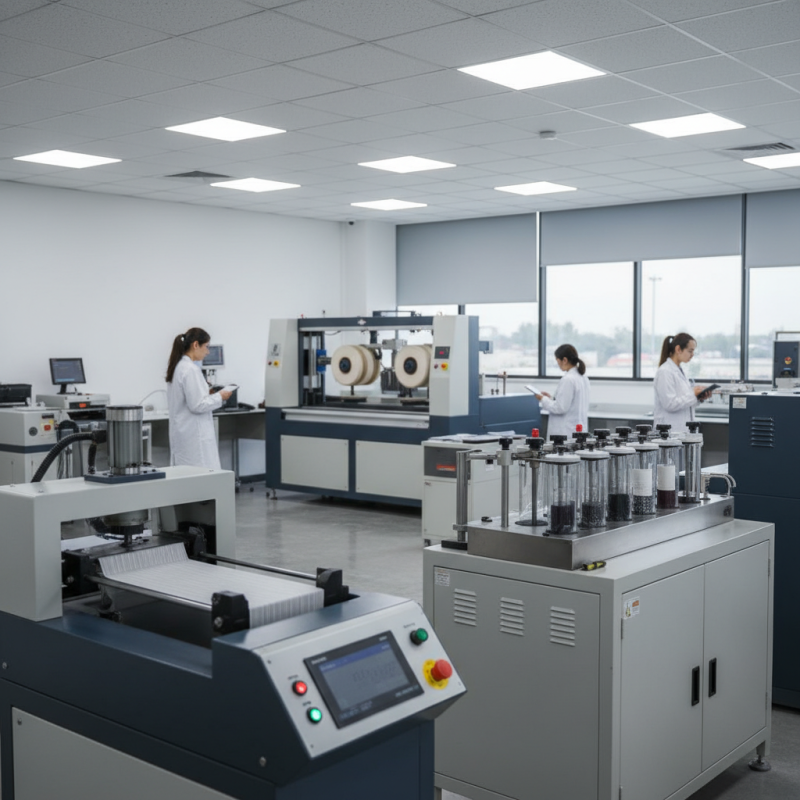
When discussing textile testing equipment, various factors influence the decision-making process. Textile testing plays an essential role in ensuring quality and compliance in the industry. According to industry reports, about 45% of manufacturers prioritize durability and strength testing. This statistic highlights the necessity for robust testing equipment that can accurately measure these properties.
High-quality testing equipment often includes tensile testers, color fastness testers, and pilling testers. Each of these tools has specific functions. For example, tensile testers measure the strength of fabric, which is crucial. However, many laboratories still rely on outdated equipment, impacting accuracy and reliability. This gap can sometimes lead to quality assurance failures.
Another key area is the testing for chemical properties. Chemical testing helps to assess the safety of textiles and their environmental impact. Reports show that about 30% of textile failures are linked to chemical composition issues. Therefore, investing in advanced chemical testing equipment can significantly reduce liability. The industry must acknowledge these gaps and strive to enhance testing methodologies. Improved practices can lead to better quality textiles that meet global standards.
Key Features to Consider in Textile Testing Tools
When selecting textile testing tools, key features can make a difference. Accurate measurement capabilities are paramount. Look for devices that provide precise readings of fabric strength, colorfastness, and durability. User-friendly interfaces make operations smoother. Consider software options that allow data analysis. Equipment should provide clear and concise results.
Portability is also essential. Testing can happen on-site or in labs. Lightweight tools are easier to use in various settings. Furthermore, versatility is important. A single device that can perform multiple tests is a cost-effective choice. However, be wary of overloading a device's capabilities.
Calibration is crucial for maintaining accuracy. Regular checks are needed to ensure consistent results. Users should familiarize themselves with calibration procedures. This aspect often gets overlooked, leading to erroneous readings. Additionally, training on how to use these tools is vital. Improper usage can skew outcomes, highlighting the need for proper instruction. Consistent practices promote better results.
Textile Testing Equipment Analysis
Types of Textile Testing Equipment Available
Textile testing equipment is essential for ensuring the quality and safety of fabrics. Many types of tools are available for various tests. Each type serves a specific purpose, helping manufacturers adhere to quality standards.
For example, tensile strength testers measure how much force a fabric can withstand before breaking. These machines help in understanding durability. Color fastness testers assess how well fabrics retain colors when exposed to light or washing. This testing is crucial for brands that prioritize vibrant, long-lasting textiles.
There are also abrasion testers that simulate wear and tear on fabrics. They provide insights into how material performs in real-world conditions. Yet, the selection of appropriate testing equipment can be challenging. Not all machines cater to every fabric type. It's vital to reflect on specific testing needs and budget constraints. A well-informed choice can greatly impact the final product quality.
Top Brands and Manufacturers in Textile Testing
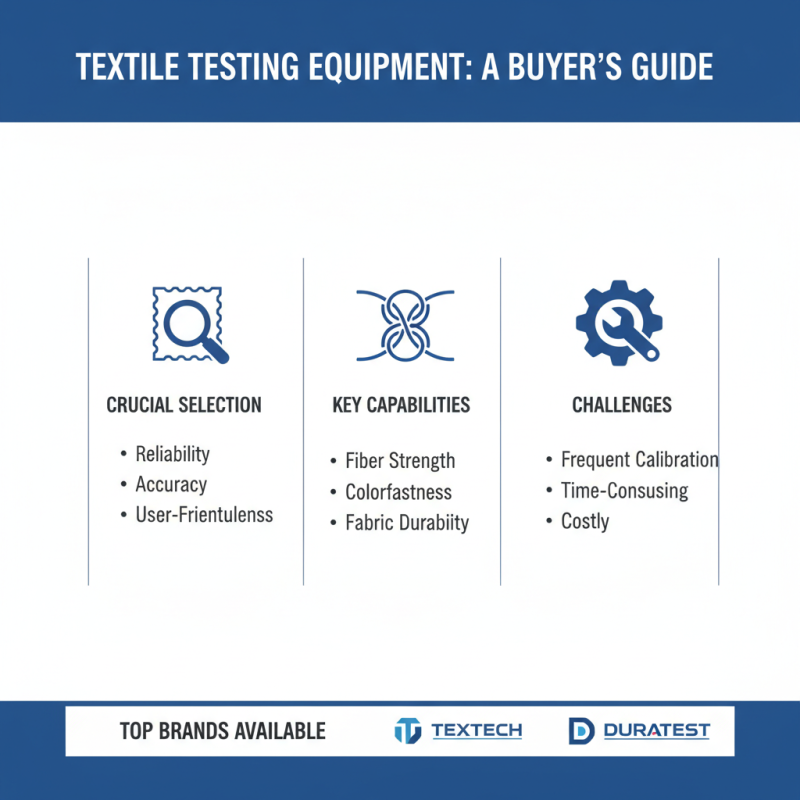
When it comes to textile testing, selecting the right equipment is crucial. The industry boasts various top brands and manufacturers. They offer a range of tools. These can evaluate fiber strength, colorfastness, and fabric durability. Testing equipment should be reliable, accurate, and user-friendly. However, not every piece of equipment performs perfectly. Some may require frequent calibration. This can be time-consuming and costly.
Various manufacturers focus on specific textile testing needs. Some specialize in mechanical testing. Others provide solutions for color and dye assessments. It’s important to consider the specific tests you need. Sometimes, brands can overpromise on capabilities. Users might find performance doesn’t meet expectations. This inconsistency can lead to inaccurate results and wasted resources.
Choosing the best equipment requires research. Factors like service support and user feedback matter significantly. A well-made machine can last years. Yet, maintenance needs can be overlooked. Users might not fully understand the operation manual. This can result in mishandling and subpar testing outcomes. Engaging with community forums can lend insights. Overall, investing time in understanding your options pays off in the long run.
Emerging Technologies in Textile Testing Equipment
Emerging technologies in textile testing equipment are revolutionizing the industry. Advanced sensors and digital solutions enhance precision and efficiency. Industry reports indicate that the global market for textile testing equipment is expected to grow by 8.5% annually. This growth reflects a rising demand for accuracy in fabric quality and performance.
Smart fabric testing systems are gaining traction. These systems use IoT connectivity to monitor materials in real time. Instantaneous data collection allows for faster decision-making in production environments. However, the integration of such technologies can overwhelm smaller manufacturers. Many still rely on traditional methods, which may yield inconsistent results.
Additionally, AI-driven analytics are making strides. They help predict fabric performance based on material composition and environmental factors. While this technology promises great benefits, it also raises questions about data privacy and reliability. Companies must navigate these challenges to fully realize the potential of these innovations. As the landscape shifts, staying informed becomes crucial for industry players.
What Are the Best Textile Testing Equipment Options? - Emerging Technologies in Textile Testing Equipment
| Equipment Type |
Function |
Key Features |
Typical Applications |
| Tensile Tester |
Measures the tensile strength of textiles |
Digital readout, automation options |
Quality control, material research |
| Color Measurement Device |
Evaluates color consistency and accuracy |
Spectrophotometric technology, software integration |
Dye matching, product development |
| Fabric Pilling Tester |
Assesses the pilling tendency of fabrics |
Automated counting, standard testing conditions |
Durability testing, quality assurance |
| Water Repellency Tester |
Determines the water resistance of textiles |
Controlled testing environment, measurement presentation |
Outdoor fabrics, sportswear |
| Abrasion Tester |
Measures the durability of fabrics against friction |
Different test methods, data analysis software |
Textile wear testing, performance evaluation |





 Home
Home