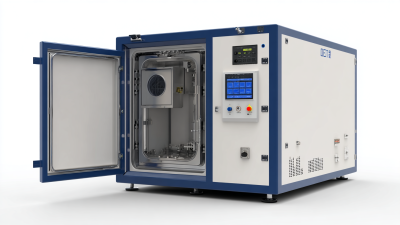
Best 5 Geotextile Water Permeability Testers to Consider Today?
In today’s construction and engineering world, understanding the performance of geotextiles is crucial. Water permeability plays a vital role in the effectiveness of these materials. Dr. Emily Stanton, a leading expert in geotechnical engineering, emphasizes, “Reliable testing of geotextiles is key for sustainable design.” This insight underlines the importance of selecting the right Geotextile Water Permeability Tester.
Geotextile Water Permeability Testers are essential tools for assessing how well water can pass through geotextile fabrics. The right tester ensures accurate results, leading to better project outcomes. Choosing the wrong equipment can lead to misplaced trust in test results. This might cost companies time and resources, highlighting the need for careful selection.
With many options available, it can be overwhelming to find the best testers on the market today. Features like durability, ease of use, and accurate measurements distinguish the top products. Thus, careful consideration is needed to ensure the selected tester aligns with project requirements. Each decision matters in achieving the best results in this field.
What is a Geotextile Water Permeability Tester?
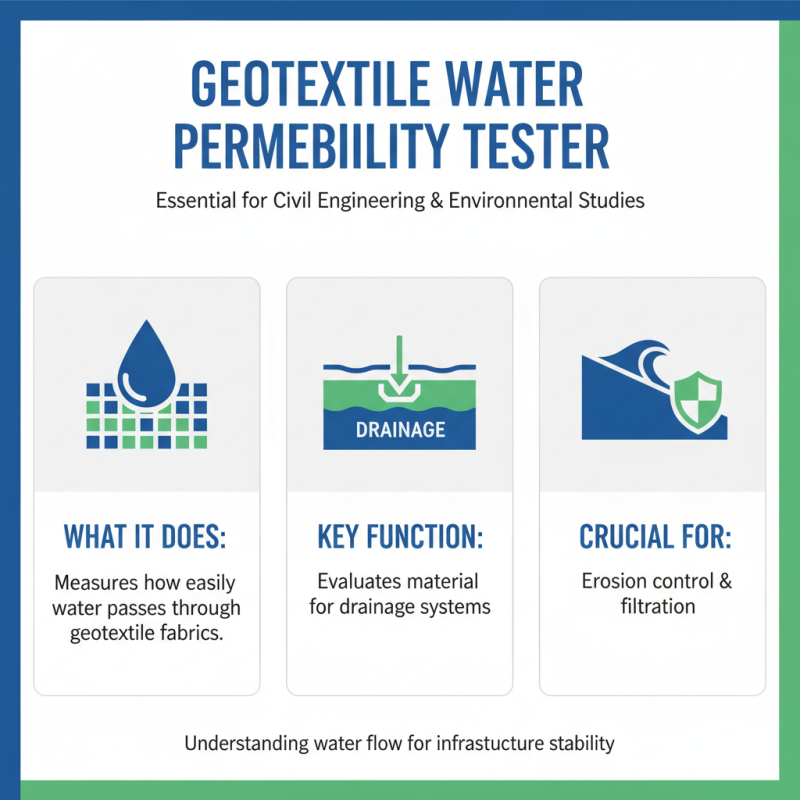
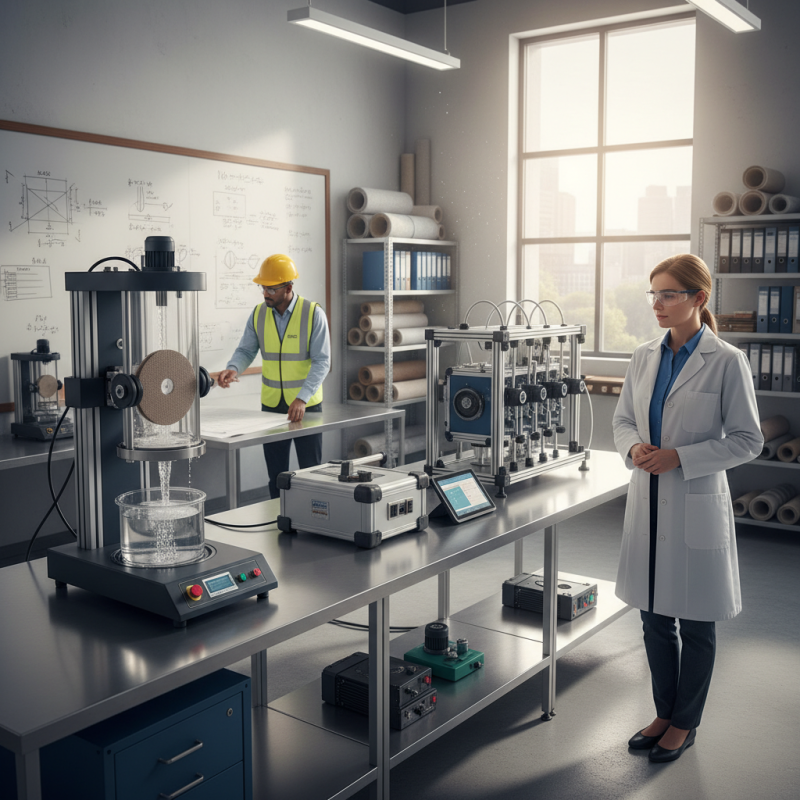
Geotextile water permeability testers are essential tools in civil engineering and environmental studies. These devices measure how easily water flows through geotextile fabrics. Understanding this permeability is crucial for applications like drainage systems and erosion control.
Using a geotextile water permeability tester involves several steps. First, select the appropriate test method based on fabric type. Many testers use constant head or falling head methods. The fabric is placed in the device, and water is introduced. Leakage is measured over time. However, accuracy can vary. Factors like fabric thickness and pore structure might impact results.
Without careful calibration, these tests may yield misleading data. It's also important to ensure that the test environment mimics actual conditions. Many users overlook this aspect, leading to potential errors. Geotextile characteristics can change under different conditions, so testing must be adaptable. This highlights the need for thoughtful experimentation to gain reliable results.
Key Features to Look for in a Water Permeability Tester
When choosing a water permeability tester for geotextiles, consider key features that enhance accuracy and usability. The tester's design should promote ease of use. A compact and portable unit is preferable for fieldwork. It allows for flexible testing locations. Calibration capabilities are also crucial. A reliable tester should maintain accuracy over time. Proper calibration can prevent misleading results.
The material used in the tester’s construction matters as well. Durable materials will withstand different environmental conditions. Evaluate the range of permeabilities a tester can measure. A wider range offers versatility for various soil types and applications. Ease of cleaning is another vital aspect. Testers that are difficult to clean may lead to contamination and flawed results.
Lastly, consider the analytical features of the tester. Built-in data logging can provide helpful insights. However, be cautious; sometimes, too much data can overwhelm users. A good software interface should balance complexity with user-friendliness. In the end, having the right features can make a significant difference. A poor choice might lead to ineffective testing and misinterpretations. Careful consideration is essential for reliable results.
Top 5 Geotextile Water Permeability Testers on the Market
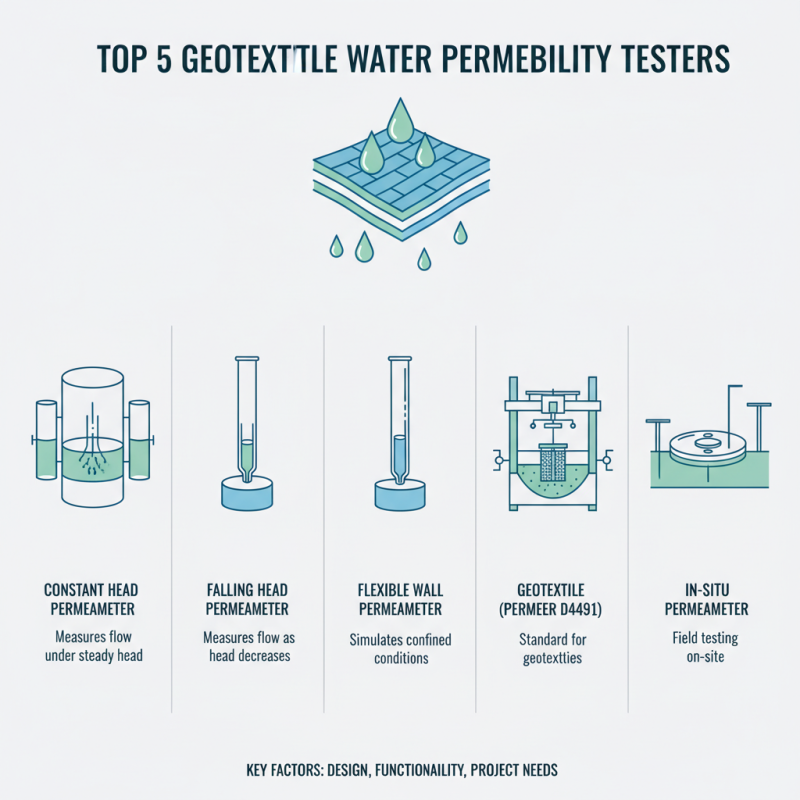
When selecting a geotextile water permeability tester, several key factors come into play. These devices assess how well water passes through different soil samples. Effective testing ensures the right choice for various construction projects. Each tester varies in design and functionality, catering to diverse needs.
One popular type is the falling head permeameter, known for its simplicity. It measures water flow through soil using a set height of water. This method is practical for many engineers. Then there's the constant head method, ideal for granular soils. Though useful, some find the setup process cumbersome. Users need to ensure proper calibration for accurate results.
Choosing a reliable tester isn't easy. Some testers offer great precision but at a higher cost. Others may deliver quick results but sacrifice accuracy. Evaluating features such as portability, durability, and ease of use can be challenging. Finding a balance between technical specifications and budget is crucial for successful projects.
Comparison of Performance and Reliability Among Leading Testers
When it comes to geotextile water permeability testing, performance and reliability are critical. A recent study indicated that discrepancies in test results can lead to costly project delays. In particular, the accuracy of permeability testers can vary significantly based on their design and calibration. For instance, the most reliable testers achieve results with a variance of less than 5%. This precision is essential for engineers and project managers to ensure that materials meet required specifications.
Multiple analysis reports show that much of the market lacks comprehensive quality checks. Many testers in use today do not adhere strictly to ISO and ASTM standards. This inconsistency has raised concerns in the industry. Some practitioners have noted that a substantial number of testers show faulty readings. These discrepancies highlight the need for a more robust evaluation process. State-of-the-art testers need to not only meet but exceed current benchmarks for performance.
Many professionals are dissatisfied with the limited options available. A 2022 industry analysis revealed that only 40% of testers passed rigorous quality control assessments. Considering the growing demands for accurate geotextile permeability measurements, this statistic is alarming. Testers should provide real-time results, but many fail to deliver this feature consistently. Therefore, further innovation in design and testing methods is essential to ensure reliability in the field.
Maintenance Tips for Geotextile Water Permeability Testing Equipment
Maintaining geotextile water permeability testing equipment is crucial for accurate results. Regular inspections can prevent significant issues. A study reported that 30% of testing inaccuracies arise from equipment maintenance neglect. Inspect the equipment thoroughly before usage. Check for any signs of wear or damage that may affect permeability readings.
Cleaning the apparatus is essential. Contaminants can influence test outcomes. A simple wash can extend the lifespan and ensure reliable data. Use solvents recommended for the material. Follow manufacturer guidelines where available. Neglected equipment can lead to flawed results, impacting project outcomes.
Calibration is another critical maintenance step. Calibration should occur at regular intervals, ideally every six months. This ensures that the devices yield consistent and reliable results. A report showed that poorly calibrated devices can produce results 20% off the mark. Implementing a routine calibration schedule could prevent potential errors.
Best 5 Geotextile Water Permeability Testers to Consider Today
| Model |
Testing Method |
Water Permeability Range |
Ease of Use |
Price Range (USD) |
| Model A |
Falling Head Test |
10-100 cm/sec |
Very Easy |
$500 - $700 |
| Model B |
Constant Head Test |
1-10 cm/sec |
Moderate |
$300 - $500 |
| Model C |
Flexible Wall Test |
0.1-5 cm/sec |
Difficult |
$800 - $1,200 |
| Model D |
Laboratory Permeameter |
0.01-0.5 cm/sec |
Easy |
$600 - $900 |
| Model E |
Field Permeability Test |
0.1-2 cm/sec |
Very Easy |
$400 - $600 |





 Home
Home