How to Ensure Accurate Results in Laboratory Geosynthetic Testing for Effective Ground Stabilization
In the realm of civil engineering and geotechnics, the accuracy of
Laboratory Geosynthetic Testing plays a pivotal role in ensuring effective ground stabilization solutions.
According to the International Society of Soil Mechanics and Geotechnical Engineering (ISSMGE) report, approximately
30-50% of construction failures can be traced back to inadequate ground reinforcement strategies.
Given the increasing complexity of projects and earthworks, precise testing methods are essential to produce reliable data for material performance.
ASTM International provides guidelines for testing geosynthetics, emphasizing the
critical need for consistent and standardized procedures to obtain accurate results. As infrastructure demands rise globally, enhancing the
robustness of Laboratory Geosynthetic Testing will not only ensure better project outcomes but also safeguard investment and public safety,
reinforcing the importance of adherence to best practices and innovations in testing methodologies.
Selecting Appropriate Testing Standards for Geosynthetic Materials
Selecting appropriate testing standards for geosynthetic materials is critical to ensure the accuracy of results during laboratory testing. Various standards exist, such as ASTM, ISO, and GRI, each catering to different aspects of geosynthetic evaluation, including tensile strength, elongation, and permeability. By adhering to well-established standards, laboratories can ensure consistency and reliability in their testing protocols, which is vital for achieving accurate results that will influence ground stabilization efforts.
Furthermore, the choice of testing methods should be aligned with the specific application and environmental conditions anticipated in the field. For example, in scenarios where geosynthetics will be exposed to significant mechanical stresses or chemical interactions, it is essential to select standards that simulate real-life conditions as closely as possible. This tailored approach not only enhances the relevance of the testing outcomes but also fosters confidence in the materials being used for ground stabilization, ultimately leading to safer and more effective engineering solutions.
How to Ensure Accurate Results in Laboratory Geosynthetic Testing for Effective Ground Stabilization - Selecting Appropriate Testing Standards for Geosynthetic Materials
| Testing Standard |
Description |
Typical Applications |
Key Parameters Measured |
| ASTM D1004 |
Standard Test Method for Tear Resistance of Plastic Film and Sheeting |
Soil stabilization, landfill liners |
Tear strength, elongation |
| ASTM D4595 |
Standard Test Method for the Tensile Properties of Geotextiles by the Wide-Width Strip Method |
Reinforcement in geotechnical structures |
Tensile strength, elongation at break |
| ASTM D6241 |
Standard Test Method for Determining the Strength of Geosynthetic Clay liners |
Landfill caps, hazardous waste containment |
Shear strength, hydraulic conductivity |
| ISO 10319 |
Geotextiles – Wide-width tensile test |
Filter fabrics, erosion control |
Tensile load, deformation |
| ASTM D4354 |
Standard Specification for Nonwoven Geotextiles |
Drainage applications, filtration |
Permeability, tensile properties |
Establishing Proper Calibration Procedures for Testing Equipment
Establishing proper calibration procedures for testing equipment is vital in laboratory geosynthetic testing, as inaccurate results can lead to ineffective ground stabilization. According to the Geosynthetic Institute, approximately 30% of failures in geotechnical projects are attributable to inadequate testing practices. Thus, ensuring that equipment is regularly calibrated to industry standards is crucial for obtaining reliable data.
To enhance calibration accuracy, laboratories should adopt a systematic approach. First, implement a schedule for routine calibration based on manufacturer recommendations and usage frequency. Utilizing standards such as ASTM D4759 for geosynthetic testing offers a benchmark for equipment performance. Additionally, maintaining a detailed calibration log can help monitor shifts in equipment accuracy.
**Tips:** Regularly review the calibration of critical testing equipment every six months. Invest in high-quality calibration tools to minimize variability. Lastly, train laboratory staff on the importance of calibration and the direct impact it has on testing integrity, as this can significantly elevate the quality of results and overall project success.
Implementing Consistent Sample Preparation Techniques for Reliability
In laboratory geosynthetic testing, consistent sample preparation is crucial for obtaining reliable results. Variability in sample quality can lead to significantly different outcomes, thus affecting ground stabilization projects. Adopting standardized preparation techniques minimizes discrepancies and enhances the credibility of the testing process. This means using uniform sizes and shapes for samples, as well as consistent methods for conditioning and handling materials.
**Tips:**
- Always calibrate your testing equipment before conducting experiments to prevent measurement errors.
- Implement a documented protocol for sample preparation that includes detailed steps to maintain consistency across different batches.
- Engage in regular training for all personnel involved in sample preparation to ensure they clearly understand and adhere to the established procedures.
By prioritizing these techniques, laboratories can improve the accuracy and reliability of geosynthetic testing, leading to more effective ground stabilization strategies that meet engineering requirements. Consistency in sample preparation not only assures quality but also boosts the overall confidence in the results obtained from geosynthetic materials.
Geosynthetic Testing Results for Ground Stabilization
This chart represents the results of laboratory geosynthetic testing across different sample preparation techniques. The accuracy of results is essential for effective ground stabilization. The testing methods include 'Standard Preparation', 'Dry Preparation', and 'Wet Preparation'.
Conducting Regular Quality Control Checks During Testing Processes
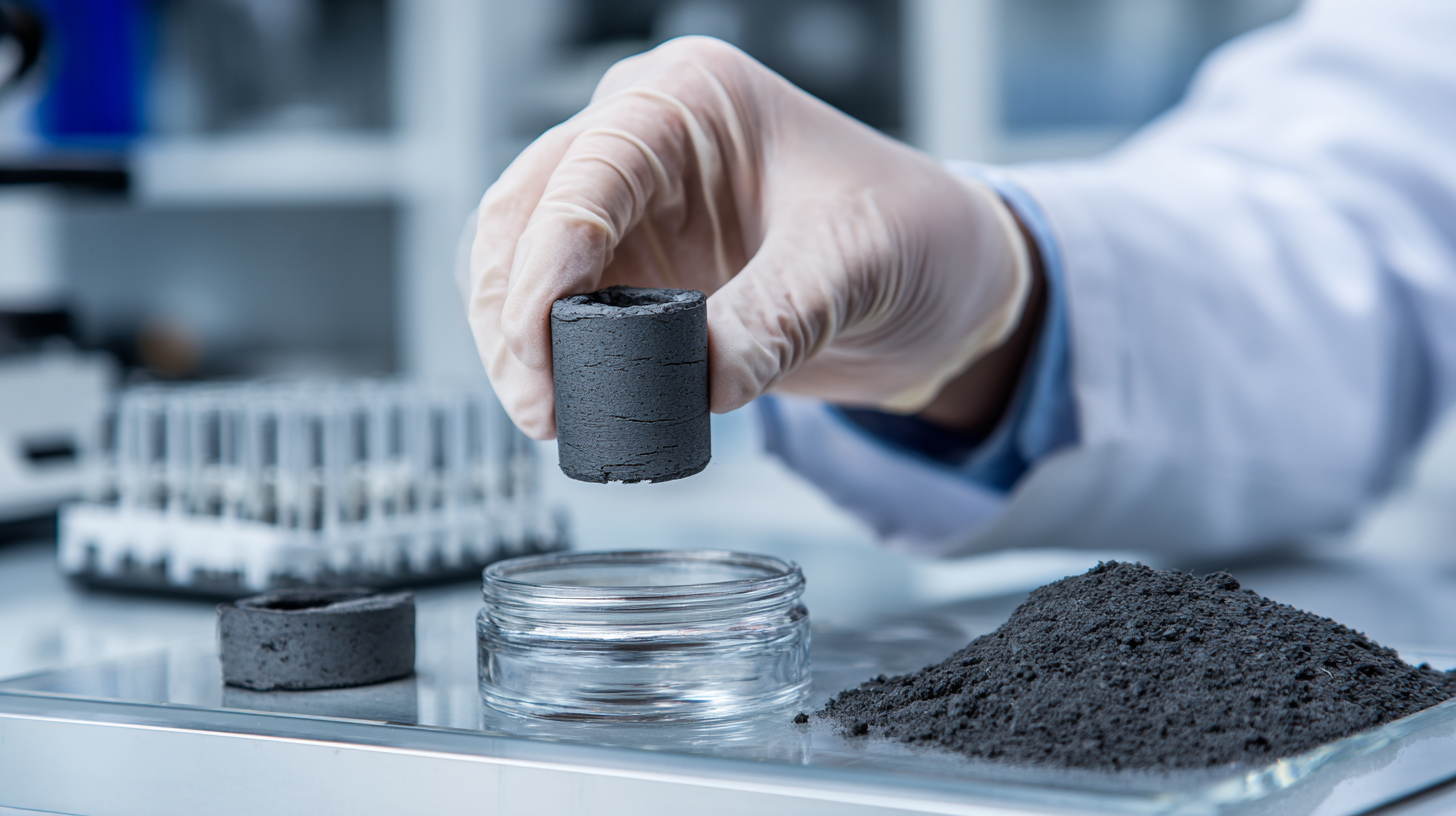 Regular quality control checks are essential in laboratory geosynthetic testing to ensure the reliability and accuracy of test results. These checks should be integrated into the testing process, involving routine calibration of equipment, verification of testing procedures, and evaluation of the testing environment. By adhering to standardized protocols, laboratories can mitigate the risks of errors that may arise due to equipment malfunction or inconsistencies in testing methodologies. Every stage, from sample preparation to data analysis, must be closely monitored to confirm that all relevant factors are controlled and documented.
Moreover, involving qualified personnel in quality control measures is crucial. Trained technicians should conduct regular assessments of both equipment and testing processes, ensuring that any deviations are promptly addressed. Implementing a comprehensive checklist that includes routine maintenance of testing machines and systematic data validation can significantly enhance the credibility of the results. Ultimately, a commitment to regular quality control not only improves the accuracy of geosynthetic testing but also contributes to more effective ground stabilization outcomes. This proactive approach fosters a culture of precision and reliability within the laboratory, ensuring that all testing practices meet the highest standards.
Analyzing Test Data with Statistical Methods for Valid Conclusions
In the field of geosynthetics, ensuring the accuracy of laboratory testing is crucial for effective ground stabilization. One key aspect of achieving reliable results lies in the meticulous analysis of test data using statistical methods. According to a report from the International Geosynthetics Society, the application of statistical techniques such as regression analysis and ANOVA has proven vital in interpreting complex datasets, allowing engineers to draw valid conclusions about material performance under various conditions.
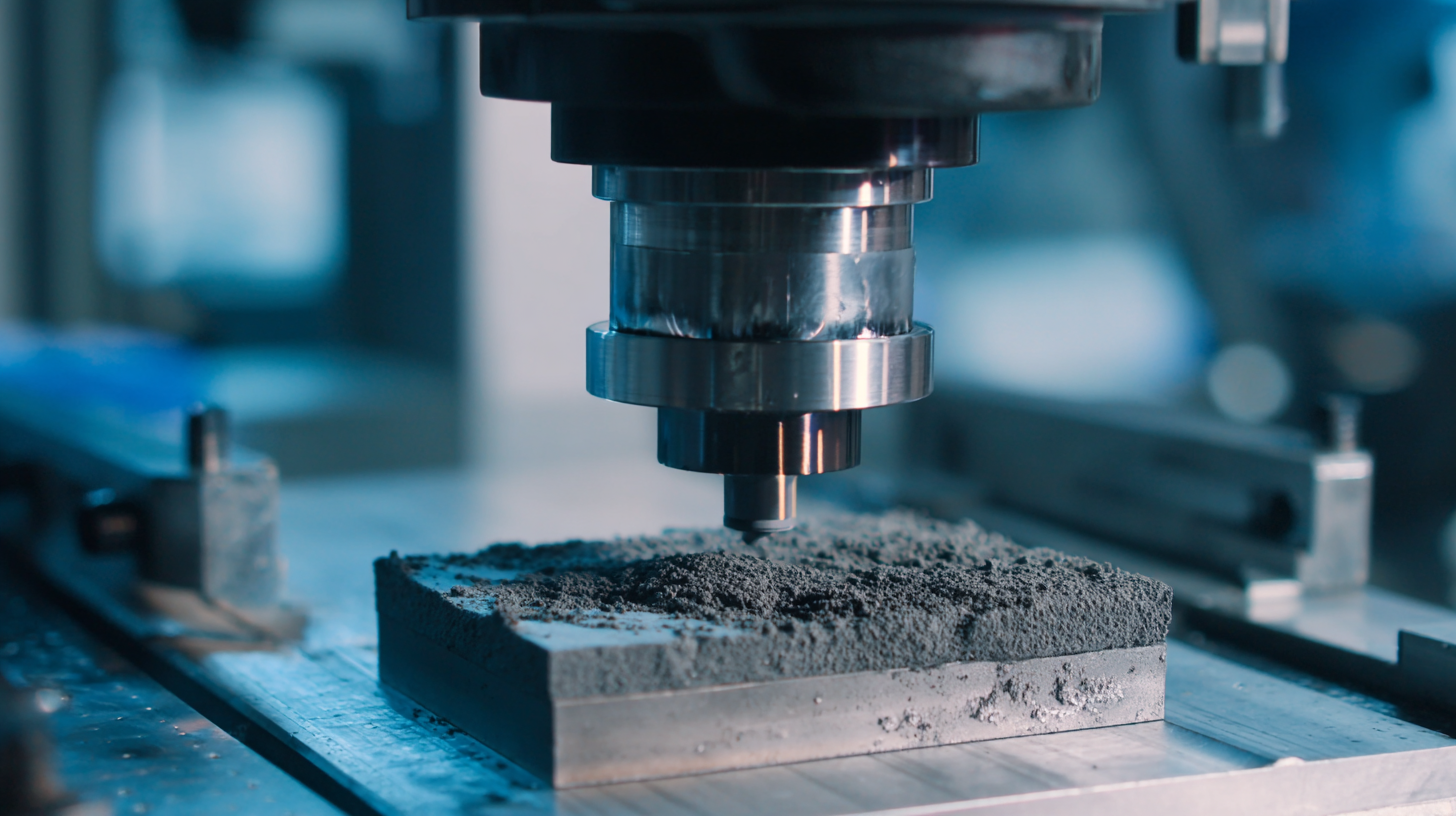
For instance, a recent study revealed that using statistical methods to analyze long-term performance data of geogrids improved prediction accuracy by over 25%. By employing these methods, researchers can identify trends and quantify uncertainties, leading to more informed decisions in the design and application of geosynthetic materials. Furthermore, the integration of these analytical approaches into laboratory testing protocols not only enhances the reliability of results but also fosters an environment of continuous improvement and innovation within the industry.





 Home
Home